






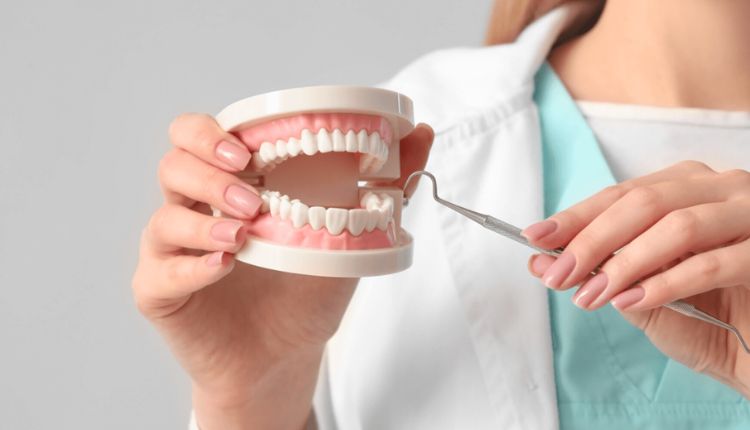
Healthy baby teeth protect your child’s whole body. Preventive dental care keeps small problems from turning into pain, infection, or missed school. It also protects speech, nutrition, and sleep. Early habits shape how your child feels about the dentist. Regular checkups, cleanings, and simple treatments cut the risk of cavities and costly emergencies. They also give you clear guidance on brushing, flossing, and safer food choices. As teeth and jaws grow, your dentist can spot trouble early. This includes crowding, injury, or signs of teeth grinding. That early notice protects your child’s smile and confidence. An Anchorage dentist can partner with you to build these habits step by step. You do not need to wait for pain. You can act now, while teeth are still forming. Preventive care is quiet, steady protection for your child’s health.
Why Baby Teeth Matter More Than You Think
Baby teeth are not practice teeth. They guide adult teeth into place. They also help your child chew, speak, and grow.
When baby teeth break down, your child can face three hard problems.
- Pain that makes eating and sleep hard
- Infections that can spread through the body
- Early tooth loss that leads to crooked adult teeth
The Centers for Disease Control and Prevention explains that tooth decay is one of the most common chronic health problems in children. You can read more on the CDC child oral health page at https://www.cdc.gov/oralhealth/fast-facts/childrens-oral-health.html.
How Preventive Care Protects Growing Teeth
Preventive care is simple. You and your child do small daily steps at home. Your dental team adds a few key services in the clinic. Together these steps protect teeth while they grow.
Core parts of preventive care include three things.
- Daily brushing with fluoride toothpaste
- Regular dental visits starting by age one
- Smart food and drink choices
Regular visits let the dentist clean away plaque, check growth, and use fluoride or sealants. The American Academy of Pediatric Dentistry supports this early start. You can see their parent resources at https://www.aapd.org/resources/parent-resources/.
Common Problems Preventive Dental Care Can Stop
Early action can stop many common problems before they cause harm. Three issues stand out.
- Cavities. Early cavities often have no clear signs. A dentist can see weak spots and treat them before they become holes.
- Gum swelling. Red or bleeding gums can start in childhood. Cleaning and home care can reverse this.
- Crowding or bite problems. Growth checks can reveal jaw or spacing concerns while change is still easy.
Prompt care keeps these problems from growing. It also protects school time and family income.
Home Care Routines That Work
Your choices at home shape your child’s mouth health. Three daily habits offer strong protection.
- Brush. Brush twice a day with fluoride toothpaste. For children under three, use a smear the size of a grain of rice. For children three and older, use a pea sized amount.
- Clean between teeth. Start flossing when two teeth touch. You can use floss picks if they are easier.
- Limit sugar. Keep sweet drinks and snacks as rare treats. Offer water and plain milk most of the time.
Stay close while your child brushes. Most children need help until at least age seven or eight. Hands are still learning fine control. Teeth need steady care before that skill grows.
Clinic Visits and Preventive Treatments
Dental visits are not only for fixing problems. They are also for protection. A typical preventive visit includes three steps.
- Review of your child’s health history and habits
- Cleaning to remove plaque and hardened buildup
- Exam and advice tailored to your child’s age and risk
Some children also benefit from fluoride varnish or sealants. Fluoride varnish is a quick coating painted on teeth. It hardens the surface and lowers cavity risk. Sealants are thin coatings on the chewing surfaces of back teeth. They block food and germs from hiding in deep grooves.
Comparing Outcomes With and Without Preventive Care
Children who receive steady preventive care face fewer emergencies and costs. The differences can be sharp over time.
| Factor | With regular preventive care | Without regular preventive care
|
|---|---|---|
| Number of cavities by age 8 | Often low or none | Often several in baby and adult teeth |
| School days missed for dental pain | Rare | Can be several days each year |
| Need for emergency visits | Uncommon | More common for pain or infection |
| Chance of early tooth loss | Lower | Higher |
| Long term treatment costs | More spread out and easier to plan | More sudden and often higher |
Prevention cannot promise perfect teeth. It still cuts risk and harm in clear ways.
Helping Anxious Children Feel Safe
Many children fear dental visits. You can reduce this fear with three steps.
- Use calm, simple words about what will happen
- Plan visits at times when your child is rested and fed
- Bring a comfort item such as a small toy or book
Regular, short visits build trust. Your child learns that the office is a place for care, not only for pain.
When to Start and How to Stay on Track
Start dental visits by your child’s first birthday or when the first tooth appears. Then follow your dentist’s advice on how often to return. Many children need visits every six months. Some need them more often because of higher risk.
To stay on track, you can do three simple things.
- Schedule the next visit before you leave the office
- Use reminders on your phone or calendar
- Link checkups with school or sports physicals
Small, steady steps today protect your child’s comfort, growth, and future smile. Preventive dental care is quiet work that shields developing teeth from harm long before problems start.