





You might be feeling a quiet worry every time your child smiles. Maybe you notice crowded teeth, a jaw that seems a bit off, or a habit of mouth breathing that you cannot quite explain. The dentist in Mississauga Ontario says, “We will keep an eye on it,” and you go home wondering what that really means and whether you are already late.end
You are not alone in that feeling. The line between “normal growing teeth” and “a problem that needs braces” can feel blurry. You do not want to rush your child into treatment, yet you also do not want to miss an important window to help their bite and jaw grow in a healthier way. Because of this tension, you might wonder where general dentistry fits in and whether routine checkups are enough.
Here is the short version. Your family’s general dentist is often the first person to notice early orthodontic problems. Regular exams, growth tracking, and simple questions about habits can reveal issues long before they are obvious to you. Early awareness does not always mean early braces, but it does mean you keep your options open and protect your child’s comfort, confidence, and long term oral health.
How does a general dentist even spot early orthodontic problems?
Orthodontic issues rarely appear overnight. They build slowly as the jaws grow, baby teeth fall out, and adult teeth try to find their place. During routine checkups, your general dentist is watching this story unfold in real time, which is why early orthodontic detection through general dentistry is so powerful.
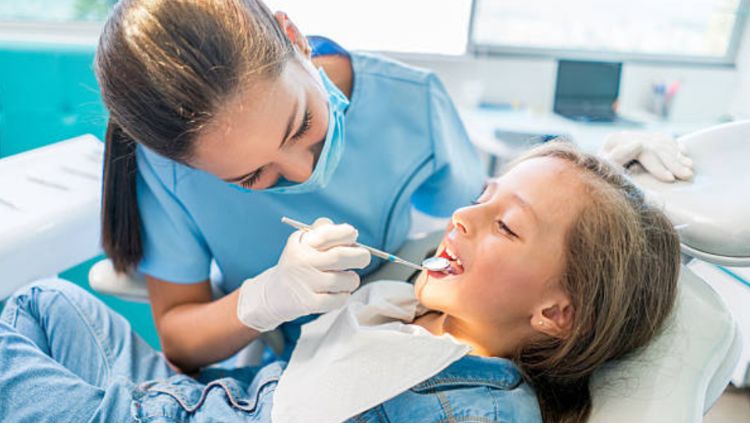
Think about a typical visit. Your child opens their mouth, and the dentist does much more than count teeth. They watch how your child bites, they look at wear patterns on the enamel, they check whether the midlines of the upper and lower teeth match, and they note which baby teeth are still present. They may also ask about snoring, thumb sucking, speech issues, or mouth breathing.
From the outside, it may feel like a quick, routine cleaning. In reality, the dentist is building a record over time. A slight overbite at age 6 might be “normal for now,” but if that same overbite is getting worse by age 8, that pattern matters. Research from pediatric and orthodontic specialists, such as information shared by Nationwide Children’s Hospital on early phase orthodontic treatment, shows that catching these shifts early can change the type and length of treatment later.
So, where does that leave you as a parent or caregiver who just wants to do the right thing without overreacting?
What happens if early orthodontic signs are missed?
This is where the worry often grows. You might think, “If I miss something now, will my child suffer later?” That concern is understandable, especially if you have seen teenagers go through years of braces, extractions, or even jaw surgery.
Imagine two children with the same early crowding at age 7. One sees a general dentist who tracks growth and refers to an orthodontist at the right time. The other misses visits or changes dentists often, so no one follows the pattern closely.
For the first child, the orthodontist might use a short early phase of treatment to guide jaw growth and create space. The second child might need teeth pulled and more complex braces in the teen years because the jaw has already finished most of its growth. The difference is not that one child had “good teeth” and the other did not. The difference was early attention guided by a consistent general dental care relationship.
There is also an emotional side. Children who struggle to bite or chew, or who feel self conscious about crooked teeth, may start to hide their smiles or avoid certain foods. Sleep issues related to mouth breathing or a narrow jaw can affect mood, attention, and school performance. According to guidelines from the American Academy of Pediatric Dentistry on monitoring the developing dentition, early tracking by a dentist can help reduce these risks by catching patterns that affect more than just appearance.
Money is another concern. Early guidance does not always mean less cost, but it often turns a “big fix later” into a series of smaller, more manageable steps. That can spread expenses over time and avoid the shock of a major treatment plan that could have been softened with earlier action.
How does general dentistry compare with “wait and see” or going straight to orthodontics?
You might be weighing your options. Should you stick with regular checkups and trust your general dentist to flag problems, wait until the teen years, or schedule an orthodontic consult right away? A simple comparison can help clarify the trade offs.
| Approach | What It Looks Like | Benefits | Possible Risks |
| Relying on routine general dental visits | Regular exams, cleanings, growth tracking, referral to orthodontist when patterns appear | Continuous monitoring, early warning, uses someone your child already trusts | Requires consistent visits and good communication, timing depends on dentist’s recommendations |
| “Wait until all the adult teeth are in” | No special attention to bite during younger years, orthodontic check in teens | Fewer appointments when children are younger, some mild issues self correct | Missed window for guiding jaw growth, higher chance of extractions or longer treatment later |
| Early direct orthodontist consultation | Orthodontic evaluation around age 7 to 8, sometimes before dentist raises concerns | Specialist opinion early, can confirm or ease worries | May feel overwhelming if no issue is found, separate cost and visits on top of dental care |
When you look at these side by side, a pattern appears. Regular general dental care is the steady “watchtower” that can tell you when it is time to bring in an orthodontist. Skipping that watchtower and waiting for obvious problems can close doors. Running to a specialist without that foundation can create extra stress and confusion.
What can you do right now to protect your child’s smile?
Knowing that general dentistry and early orthodontic evaluation work together is reassuring, but you may still want clear next steps. There are a few simple actions that can make a real difference starting today.
- Keep a consistent schedule with your general dentist
Try not to skip routine checkups, even when life gets busy. Those six month or yearly visits are how your dentist notices slow changes. If you have moved or changed offices, bring any previous records or X rays so the new dentist can see your child’s history, not just a single snapshot.
During visits, ask specific questions. For example, “How does their bite look compared to last year?” or “Do you see anything that might need an orthodontist later?” This invites a clearer answer than “Are their teeth okay?”
- Pay attention to habits and symptoms at home
You see your child every day, so you may catch things your dentist only hears about if you mention them. Notice if your child snores, breathes mostly through the mouth, grinds teeth, has trouble chewing, or complains that their jaw feels tired. Watch for thumb sucking or extended pacifier use beyond the toddler years.
Write down what you see and bring that list to the appointment. That simple step can help your general dentist connect your observations with what they see in the mouth, and it can prompt an earlier or more targeted orthodontic referral if needed.
- Ask openly about timing and referrals
If you are worried about crowding or jaw alignment, say so directly. Ask, “If this were your own child, when would you suggest an orthodontist take a look?” A good dentist will explain whether they recommend waiting, monitoring, or referring now, and they should tell you what signs would trigger a change in that plan.
You can also ask whether your child is at an age where an early orthodontic screening could be useful, even if only to confirm that things are on track. That shared decision making can lower your stress and help you feel like a partner in your child’s care, not just a bystander.
Moving forward with more clarity and less fear
It is normal to feel nervous when you see your child’s teeth shifting or their smile changing. You want to protect them from pain, teasing, and long, complicated treatments, yet you cannot see the future of their jaw growth. That uncertainty can be heavy.
You do not have to solve this alone. By using your regular general dental visits as a steady guide, staying observant at home, and speaking up about your worries, you give your child the best chance for timely, well planned care. Early detection through everyday dentistry is not about rushing into braces. It is about keeping choices open and supporting your child’s health, confidence, and comfort over time.
The next time you sit in that dental chair and hear “We will keep an eye on it,” you can lean into that conversation. Ask what your dentist is watching for, how they track changes, and when they would suggest seeing an orthodontist. One honest talk can replace a lot of quiet worry and give you a clear path forward for your child’s growing smile.