






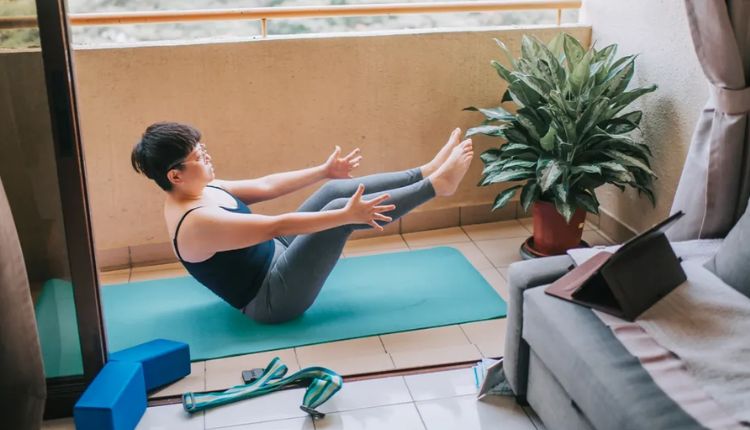
Starting a strength training routine can feel overwhelming, especially for beginners who are unfamiliar with exercise programming or equipment selection. Many people assume that effective strength workouts require years of experience or access to a commercial gym, but building strength at home is completely possible with the right approach. A simple plan, consistent effort, and appropriate equipment can create an effective foundation for long-term progress.
The first step for beginners is understanding that strength training is based on gradual improvement. The goal is not to lift the heaviest possible weight immediately, but to create a consistent routine that challenges the body while allowing proper recovery. Small improvements over time create sustainable results and reduce the risk of unnecessary setbacks.
Before starting a training program, beginners should focus on fundamental movement patterns. These include pushing, pulling, squatting, hinging, carrying, and core stabilization. Learning these basic movements creates a strong foundation that can later support more advanced exercises and heavier resistance.
One advantage of training at home is the ability to create a personalized environment. Unlike crowded commercial gyms, a home setup allows people to exercise according to their own schedule and focus without distractions. This convenience often makes it easier to build consistent habits, which are one of the most important factors in achieving fitness results.
Equipment selection should be based on versatility rather than quantity. Beginners do not need dozens of machines to make progress. A few carefully chosen pieces of equipment can support a wide variety of exercises and allow gradual progression as strength improves.
Dumbbells are especially useful for people beginning their strength training journey. They are easy to use, support natural movement patterns, and can be incorporated into workouts targeting every major muscle group. Exercises such as presses, rows, lunges, squats, and carries can all be performed with dumbbells while allowing users to improve coordination and control.
Proper technique should always come before increasing resistance. Beginners often make the mistake of focusing only on heavier weights while ignoring movement quality. Learning correct form creates better results, improves efficiency, and helps protect joints and connective tissues during training.
Creating a realistic workout schedule is another important step. A consistent routine performed several times per week is usually more effective than occasional intense workouts. Beginners should choose a schedule that fits their lifestyle and allows enough recovery between sessions.
Tracking progress can also improve motivation. Recording exercises, repetitions, resistance levels, and personal achievements helps identify improvements and provides clear evidence of development over time. Progress is not always visible immediately, but consistent tracking reveals changes that may otherwise go unnoticed.
Nutrition, sleep, and recovery are equally important parts of strength development. Training provides the stimulus for adaptation, but the body becomes stronger during recovery. Maintaining healthy habits outside of workouts supports better performance and more sustainable progress.
For beginners looking to add versatile equipment to their training space, dumbbells for beginner strength training provide an effective option for building strength, improving movement control, and creating a practical home workout environment.
Building strength at home does not require complicated routines or expensive equipment. With a focus on fundamental movements, gradual progression, and consistent training habits, beginners can create a foundation that supports improved fitness and long-term health.