






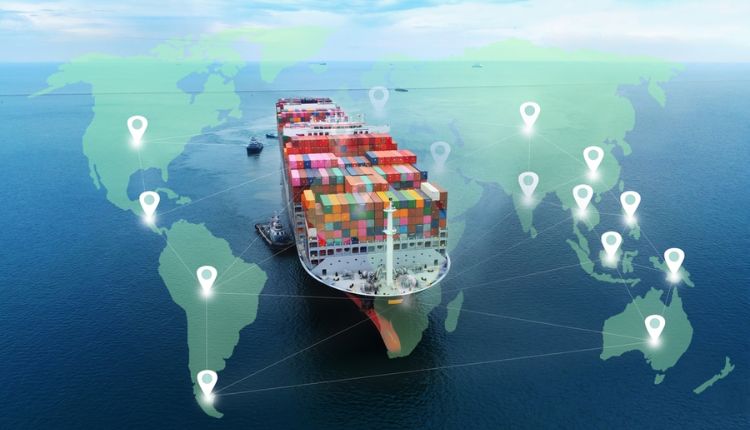
E-commerce has made it easier than ever for businesses to sell products beyond their home markets. However, delivering orders internationally involves more than placing a parcel on a truck or plane. Customs requirements, taxes, documentation, tracking, and delivery timelines can all affect the customer experience. Reliable cross border shipping services help businesses manage these challenges while expanding into new regions.
Whether a company is sending occasional international orders or managing a growing global operation, the right shipping solution can improve efficiency, reduce delays, and build customer trust.
What Are Cross Border Shipping Services?
Cross border shipping services support the movement of goods from one country to another. These services may include parcel collection, international transportation, customs clearance, shipment tracking, duty calculation, warehousing, and final-mile delivery.
Unlike domestic shipping, international delivery requires businesses to comply with the import rules of the destination country. Shipments may need commercial invoices, product descriptions, tariff codes, certificates, or other supporting documents. An experienced logistics provider can help prepare these requirements and reduce the likelihood of customs issues.
Why Cross Border Shipping Matters for E-Commerce
International markets give online retailers access to a much larger customer base. A product with limited demand in one location may attract strong interest in another. By using dependable cross border shipping services, businesses can test new markets without immediately investing in overseas stores or large distribution networks.
Shipping performance also has a direct impact on customer satisfaction. International shoppers expect accurate delivery estimates, transparent costs, and regular tracking updates. Unexpected fees or unexplained delays may result in complaints, returns, and negative reviews.
A well-organised shipping process helps businesses provide a smoother purchasing experience from checkout to delivery.
Faster and More Reliable International Deliveries
Delivery speed is an important factor when selecting an international shipping provider. Many logistics companies offer multiple service levels, allowing businesses to choose between express delivery and more economical options.
Express services may be appropriate for urgent, valuable, or time-sensitive goods, while standard shipping can be more suitable for customers who prioritise affordability. Offering several delivery options at checkout gives shoppers greater control over cost and timing.
Reliable providers also work with established carrier networks and local delivery partners. This can improve final-mile performance and make it easier to deliver parcels to residential and commercial addresses in different countries.
Simplifying Customs Clearance
Customs clearance is one of the most complex parts of international shipping. Incorrect paperwork, unclear product descriptions, or missing tariff codes can cause shipments to be held at the border.
Professional cross border shipping services can help businesses classify products, prepare shipping documents, and understand restricted-item regulations. Some providers also offer automated tools that calculate duties and taxes before an order is completed.
When customers know the full cost of their purchase in advance, they are less likely to reject a parcel because of unexpected charges. This transparency can improve conversion rates and strengthen confidence in the seller.
Shipment Tracking and Customer Communication
International customers want to know where their orders are throughout the delivery process. End-to-end tracking allows both the business and the recipient to monitor each shipment from collection to final delivery.
Automated email or mobile notifications can provide updates when a parcel is dispatched, clears customs, reaches a local facility, or goes out for delivery. Clear communication reduces uncertainty and may also lower the number of customer service enquiries.
Businesses should choose a provider that offers accessible tracking information and responsive support when delays or delivery problems occur.
Choosing the Right Shipping Partner
The best shipping provider will depend on the company’s products, destination markets, order volumes, and customer expectations. Businesses should compare delivery coverage, transit times, pricing, customs support, insurance options, technology integrations, and return services.
Scalability is another important consideration. A provider that can manage a small number of parcels today should also be able to support higher volumes as the business grows.
Reliable cross border shipping services allow companies to enter international markets with greater confidence. By simplifying customs procedures, improving delivery visibility, and providing flexible shipping options, the right logistics partner can turn global fulfilment into a competitive advantage.