






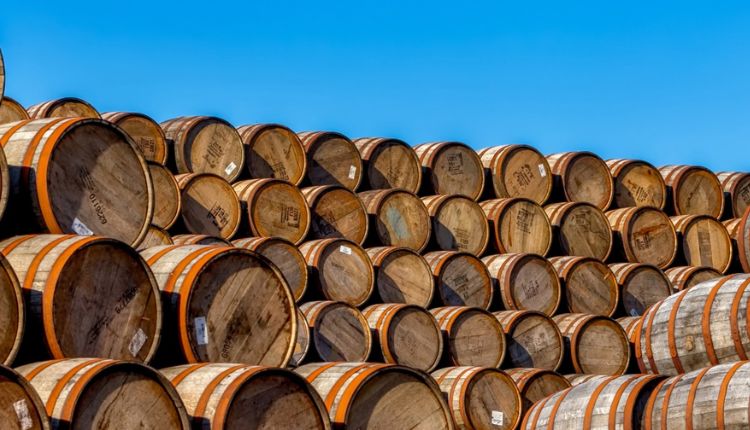
Whisky is a spirit defined by time, patience, and the vessel in which it rests. While distillers often receive the spotlight, the barrel plays an equally crucial role in shaping the final character of every dram. From the wood species to the level of char, each element contributes to the colour, aroma, and taste that enthusiasts cherish. Understanding how these factors interact is essential for anyone looking to appreciate whisky on a deeper level or considering a long-term investment in this maturing asset. This article explores the relationship between barrel characteristics and spirit transformation, offering insights for both connoisseurs and collectors.
The Journey from New Oak to Flavour Profile
When a distiller selects a barrel, they are making a decision that will influence the whisky for years to come. The wood itself, typically American or European oak provides the foundation. American oak tends to impart vanilla, coconut, and sweet spice notes, while European oak brings more tannic structure, dried fruit, and a robust spiciness. The seasoning process, whether air-dried or kiln-dried, further refines the wood’s chemical composition.
Once the barrel is constructed, the toasting and charring levels determine how deeply the heat penetrates the wood, breaking down lignin and hemicellulose into flavour compounds. A heavy char creates a layer of charcoal that filters impurities and adds smoky, caramelised characteristics. For those who wish to own a piece of this maturation journey, the decision to buy cask involves evaluating not only the distillery and age but also the barrel’s provenance and condition. A well-maintained cask from a reputable cooperage can appreciate significantly over time, making it a tangible asset with both sensory and financial rewards.
Exploring the Diversity of Barrels and Their Influence
The world of whisky is rich with variety, and much of that diversity stems from the different vessels used during maturation. Whisky cask types range from standard American barrels to larger hogsheads, puncheons, and butts, each offering a unique surface-area-to-volume ratio that affects how quickly the spirit interacts with the wood. A smaller barrel, such as a quarter cask, accelerates maturation due to greater wood contact, while a larger butt slows the process, allowing for more subtle integration of flavours. Beyond size, the previous contents of the barrel—whether bourbon, sherry, port, or wine leave behind residual compounds that dramatically alter the whisky’s profile. A first-fill sherry butt, for example, can deliver rich dried fruit, dark chocolate, and spice, whereas a refill bourbon barrel may yield softer, more delicate notes of honey and citrus. The choice of barrel is therefore a deliberate artistic decision, one that distillers guard closely and collectors study with care.
Why Barrel Knowledge Matters for Collectors
For those building a portfolio of maturing spirits, understanding the nuances of barrel selection is not merely academic—it has direct financial implications. A cask that has been filled with a high-quality new make and stored in a well-managed warehouse can increase in value significantly over a decade or more. However, the rate of maturation and the final flavour profile depend heavily on the type of barrel used.
A sherry butt, for instance, may produce a richer, more sought-after whisky that commands a premium at auction, while a refill bourbon barrel might yield a lighter, more delicate spirit that appeals to a different segment of the market. Collectors who take the time to learn about these differences are better equipped to make informed decisions, whether they intend to bottle the whisky for personal enjoyment or sell it later. The interplay between wood, climate, and time is a fascinating subject that rewards those who delve into its details.
Making Informed Choices in a Growing Market
As interest in owning maturing spirits continues to rise, the market has become more accessible to individual investors. Yet with opportunity comes complexity. Newcomers often face a bewildering array of options, from single-cask purchases to managed portfolios. The key is to focus on fundamentals: the quality of the new make spirit, the reputation of the distillery, the storage conditions, and above all, the barrel itself. A cask that has been properly seasoned and stored in a humid, temperate warehouse will develop more evenly than one exposed to extreme temperature swings.
Additionally, the provenance of the wood whether it comes from sustainable forests in Missouri or the highlands of Spain can influence the final product. For those ready to take the next step, working with a trusted broker or specialist firm can provide access to verified casks with clear documentation. This due diligence helps ensure that the asset is authentic and that its maturation path is well understood. The growing global demand for aged whisky has made cask ownership an attractive alternative investment, but success requires a solid grasp of the fundamentals.
Building a Foundation for Future Enjoyment
Whether you are a seasoned collector or a curious enthusiast, the journey of whisky maturation offers endless opportunities for discovery. Each barrel tells a story of the forest where the oak grew, the cooper who shaped it, the spirit that filled it, and the years it spent slumbering in a dark warehouse. By learning to read these stories, you can make more confident choices about which casks to acquire and when to bottle them.
The market for maturing spirits continues to expand, driven by global demand for rare and aged expressions. Those who invest time in understanding the craft behind the cask will find themselves better positioned to navigate this exciting landscape. Whether your goal is to build a collection for future enjoyment or to explore the financial potential of cask ownership, the knowledge you gain will serve as a solid foundation. The journey from grain to glass is long, but every step offers a chance to deepen your appreciation for one of the world’s most beloved spirits.