






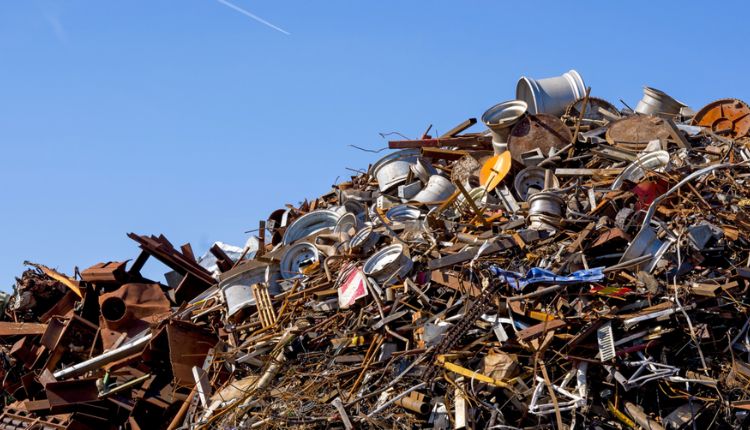
Metal markets are global, but scrap prices are often surprisingly local. A copper shortage in one Baltic port, a temporary decline in vehicle dismantling, or limited processing capacity in a particular region can change what buyers are prepared to pay. For scrapyards, automotive businesses, demolition contractors, electronics recyclers, and individual sellers, understanding these regional supply gaps can make the difference between accepting an average offer and securing a well-supported market price.
The Baltic scrap market is especially sensitive to shifts in material availability. Estonia, Latvia, and Lithuania are closely connected through trade and transport, yet each has its own industrial base, collection network, processing capacity, and demand patterns. As a result, the price quoted for a catalytic converter, copper cable, aluminium rim, or printed circuit board may reflect much more than the headline value of the metal it contains.
What Is a Regional Supply Gap?
A regional supply gap appears when local buyers or processors need more of a particular material than nearby sellers are supplying. It can also occur when material exists but cannot reach the right buyer efficiently because of collection delays, transport constraints, export disruption, or inconsistent sorting.
For example, a refinery partner may require a steady volume of platinum-group metals while the local flow of end-of-life catalytic converters declines. Similarly, construction activity may increase demand for recycled copper just as demolition volumes fall. Buyers competing to fill these gaps may adjust their offers, creating short-term pricing differences between locations.
The reverse is also possible. If a large batch of similar scrap enters a small regional market, local supply may temporarily exceed immediate processing or resale demand. Offers can soften even when international commodity prices remain broadly unchanged.
Why the Baltics Are Particularly Responsive
Baltic countries have relatively compact domestic markets and strong cross-border connections. These characteristics support efficient trade, but they can also magnify local imbalances. Several factors influence the speed and scale of price movements:
- Limited local volume: A single industrial closure, fleet replacement, or major demolition project can noticeably affect available supply.
- Reliance on international refiners: Some complex materials must travel to specialist facilities, making transport costs, shipment schedules, and refinery terms important.
- Seasonal collection patterns: Construction, vehicle repair, and dismantling activity may fluctuate during the year.
- Cross-border competition: Buyers in neighboring markets can compete for material when their inventories fall.
- Material quality differences: Clean, correctly identified scrap is easier to trade and may attract stronger demand than mixed or contaminated loads.
Currency movements are less disruptive within euro-area Baltic markets, but fuel costs, energy prices, labor availability, and freight capacity still affect buyer margins. Consequently, a rising exchange-traded metal price does not always produce an identical increase in every local scrap category.
Catalytic Converters Illustrate the Pricing Challenge
Catalytic converters are a useful example because their outer appearance does not reliably reveal their value. Depending on the model and internal composition, they may contain varying concentrations of platinum, palladium, and rhodium. Two converters of similar size can therefore produce very different offers.
A regional shortage can strengthen demand, but accurate identification remains essential. Professional catalytic converter purchasing (katalizatoru uzpirkšana) should combine current precious-metal market information with model data, chemical analysis where appropriate, and transparent grading. Metalbee supports this process with an extensive database of more than 30,000 chemically analyzed converters, laboratory capabilities, skilled assessment, and relationships with established refineries.
This evidence-based approach helps reduce a common seller problem: accepting a generic weight-based offer for an item whose value depends heavily on recoverable precious-metal content. When regional supply is tight, precise evaluation becomes even more important because sellers should be able to benefit from stronger demand without relying on guesswork.
Not Every Scrap Category Moves Together
It is tempting to speak about “scrap prices” as though all materials follow one curve. In practice, copper, aluminium, brass, bronze, lead, zinc, nickel, circuit boards, and catalytic converters have different demand drivers and recovery economics.
Copper cable may respond quickly to infrastructure and electrical demand. Aluminium rims are influenced by alloy quality, contamination, and processing costs. Starters and alternators combine multiple materials and require dismantling or specialist recovery. Printed circuit boards vary widely according to component density, precious-metal content, and board type.
That is why sellers comparing regional scrap metal prices (metāllūžņu cenas) should match like with like. A quote for clean copper cannot be compared directly with one for insulated cable, and a high-grade telecommunications board should not be evaluated as an ordinary low-grade electronic board. Metalbee purchases multiple non-ferrous material streams in Latvia and emphasizes swift, documented assessments, helping sellers understand what they have rather than treating every load as undifferentiated scrap.
How Sellers Can Respond to Supply-Driven Price Changes
1. Identify and separate materials
Sort scrap by metal, grade, and condition before requesting a quote. Keep aluminium separate from steel, distinguish clean copper from insulated cable, and avoid mixing high-grade circuit boards with low-value electronic waste. Better sorting reduces processing uncertainty and makes a competitive offer easier to justify.
2. Document the load
Provide clear photographs, approximate weights, part numbers, origin details, and information about contamination. For catalytic converters, visible serial numbers can support identification. For business sellers, consistent inventory records also make it easier to compare returns over time.
3. Ask how the material was valued
A trustworthy buyer should be able to explain whether the offer is based on weight, grade, assay, database identification, market benchmarks, or a combination of these factors. Transparency matters more than an attractive headline quote that may later be reduced through unclear deductions.
4. Consider the complete transaction
The highest initial number is not automatically the best deal. Transport costs, minimum quantities, settlement speed, weighing practices, payment security, and rejected-material policies all affect the net return. A slightly lower but firm and well-documented offer may provide greater value than a conditional estimate.
5. Build a relationship before supply becomes urgent
Regular sellers benefit from working with a buyer that understands their material stream. When a regional shortage emerges, established communication can make it easier to arrange collection, obtain timely assessments, and respond while favorable conditions remain in place.
Better Information Creates Better Recycling Decisions
Regional supply gaps can produce opportunities, but trying to predict every short-term move is rarely practical. A more reliable strategy is to maintain well-sorted inventory, monitor category-specific demand, and work with specialists who use current market information and defensible evaluation methods.
This also supports sustainability. When valuable materials are correctly classified and routed to appropriate recycling partners, more copper, aluminium, precious metals, and other resources can return to productive use. That reduces avoidable waste and supports a more circular Baltic economy.
If you regularly handle converters, PCBs, automotive components, cables, or non-ferrous metals, consider requesting a documented evaluation from Metalbee before committing your next batch. Comparing the net offer, assessment method, and transaction terms will give you a clearer picture of whether a regional supply gap is working in your favor—and help you sell with confidence rather than speculation.