






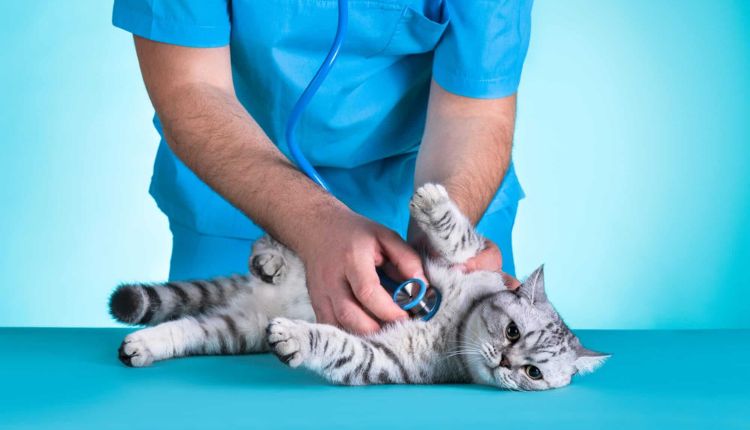
Pets cannot tell you when something feels wrong. You see the small signs. A missing meal. A limp. A new cough. These moments create worry and pressure. An animal hospital can give you answers and a clear plan. You do not need to guess or search alone. A Queen West Toronto veterinarian sees these problems every day and knows what helps.
This blog explains four common conditions that bring pets to the hospital. You will see what to watch for, when to act, and what treatment often looks like. You will also learn how quick action can lower pain, cut costs, and protect your bond with your pet. Some of this may feel hard to read. Still, it is better to face it now than during a crisis. You deserve straight facts. Your pet deserves strong care.
1. Skin Problems and Ear Infections
It often starts with scratching. You hear your dog at night. You see your cat licking one spot over and over. Soon the skin looks red or you notice a smell from the ears. You might hope it goes away. It usually does not.
Common signs include:
- Scratching or licking one spot
- Red or flaky skin
- Hair loss in patches
- Brown or yellow discharge in the ears
- Shaking the head or tilting it to one side
Skin and ear problems often come from allergies, parasites, or yeast and bacteria. You might not see fleas, but even one bite can set off a strong reaction. Ear infections can follow wet ears, trapped wax, or long hair in the ear canal.
A veterinarian will look closely at the skin and ears. You can expect an exam, simple tests on hair or skin, and a sample from the ear. Treatment may include cleaning, medicated drops, and allergy control. You might also need to change food or daily routines. You do not fail your pet by asking for help early. You protect them from deeper pain.
2. Stomach Upset and Digestive Trouble
Vomiting or diarrhea can scare families. One accident on the floor might pass. Repeated episodes are a warning. The United States Food and Drug Administration explains how sudden food changes or unsafe treats can upset a pet stomach and even cause poisoning.
Common signs include:
- Repeated vomiting
- Loose or bloody stool
- Not eating or drinking
- Swollen belly
- Weakness or hiding
Causes range from eating trash to Commoninfections or organ disease. Puppies and kittens dehydrate fast. Senior pets also face high risk. You should seek care the same day if vomiting or diarrhea lasts longer than 24 hours, or sooner if you see blood, collapse, or a tight swollen abdomen.
At the hospital, your pet might need fluids, nausea medicine, and tests on blood or stool. Sometimes an X ray or ultrasound checks for foreign objects like toys or string. Early treatment can prevent longer stays and fewer costs. You cannot always control what your pet eats. You can control how quickly you respond.
3. Injuries, Limping, and Joint Pain
A limp can look small. Your dog still follows you. Your cat still jumps to the couch. Yet pain builds in silence. Injuries and joint disease are among the most common reasons pets visit animal hospitals.
Watch for:
- Favoring one leg
- Stiffness after rest
- Slow steps on stairs
- Growling or pulling away when touched
- Changes in play or grooming
Young pets often strain muscles or tear ligaments during play. Older pets often face arthritis. The American Veterinary Medical Association gives clear signs of pain and mobility changes in pets. You can review their guidance at the AVMA pain management page.
A veterinarian will check joints, muscles, and spine. X rays can show arthritis, fractures, or hip problems. Treatment might include rest, pain medicine, and weight control. Sometimes surgery or physical therapy helps restore movement. You can support your pet with simple changes such as softer bedding, ramps, and shorter walks more often. You cannot stop aging. You can slow the hurt that comes with it.
4. Dental Disease and Mouth Pain
Many pets live with mouth pain for years. You might ignore bad breath or think it is normal. It is not. Dental disease can spread infection through the body. It can damage the heart, liver, and kidneys.
Signs include:
- Bad breath that does not improve
- Brown buildup on teeth
- Red or bleeding gums
- Dropping food or chewing on one side
- Pawing at the mouth
Veterinarians see this condition daily. A dental exam often leads to a cleaning under anesthesia. During that time the team removes tartar, checks each tooth, and may pull any that are loose or infected. After treatment, many families notice their pet acts more alert and eats with comfort. The change can shock you. Quiet suffering lifts.
Quick Comparison of These Four Conditions
| Condition | Key Early Sign | Home Risk If Ignored | Typical Clinic Support
|
|---|---|---|---|
| Skin and ear problems | Scratching, head shaking | Deep infection and lasting pain | Cleaning, medicine, allergy control |
| Stomach upset | Repeated vomiting or diarrhea | Dehydration and organ strain | Fluids, tests, nausea control |
| Injuries and joint pain | Limping or stiffness | Worsening damage and reduced movement | Pain control, imaging, rest plan |
| Dental disease | Bad breath and tartar | Tooth loss and body infection | Dental cleaning and extractions |
When You Should Go To The Animal Hospital
You know your pet. If something feels off, trust that feeling. You should seek urgent care if you see any of these signs:
- Trouble breathing or blue gums
- Collapse or inability to stand
- Continuous vomiting or diarrhea
- Severe bleeding or a large open wound
- Sudden bloated belly with restlessness
For milder signs, call your veterinarian, describe what you see, and ask how soon to come in. You are not a burden. You are the voice your pet does not have. Early care shortens recovery, lowers fear, and protects your family Common companion from silent damage.