






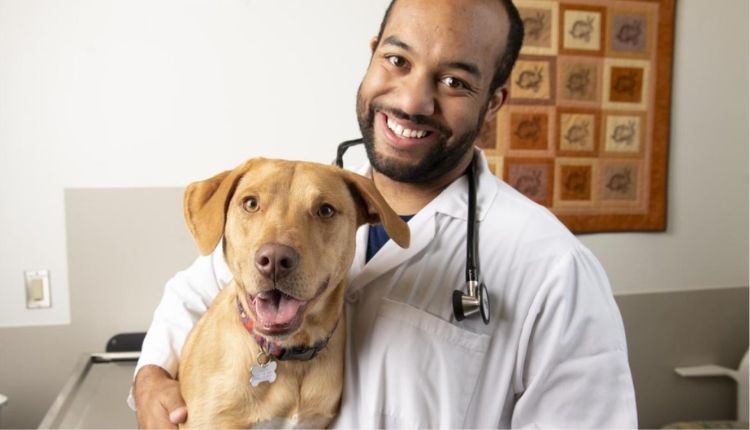
Your pet depends on you for comfort, safety, and relief from pain. You see the small changes first. A slower walk. A skipped meal. A new limp. These signs can feel heavy. You want clear options that ease suffering and protect your pet’s future. This blog explains 4 veterinary services that give your pet a stronger, calmer life. You learn how regular checkups catch disease early.
You see how dental care protects the heart and other organs. You understand how pain management for pets in Maple Valley, WA supports aging joints and chronic conditions. You also see how behavior support reduces fear and stress at home. Each service works together to reduce pain, prevent crisis visits, and support steady health. You gain simple steps you can use now. You also gain questions you can ask your veterinarian at your next visit.
1. Regular Wellness Exams
Routine exams give your pet a safer life. You may not see early disease. Your veterinarian often does. A yearly visit for young pets and twice yearly for seniors can find problems early when treatment is simpler and less harsh.
During a wellness exam, the veterinary team will usually:
- Check heart, lungs, eyes, ears, teeth, skin, and joints
- Review diet, weight, and bathroom habits
- Update vaccines and parasite prevention
- Run blood and urine tests when needed
The American Veterinary Medical Association explains that regular preventive care lowers risk of serious disease and sudden emergencies.
At each visit, bring three things. Bring a list of questions. Bring photos or videos of any strange behavior. Bring a record of what your pet eats and any treats. These simple steps help your veterinarian match care to your pet’s real life.
2. Dental Care That Protects More Than Teeth
Dental disease causes pain every time your pet eats or chews. Rotten teeth and infected gums also spread bacteria through the bloodstream. That can strain the heart, kidneys, and liver.
Key parts of veterinary dental care include:
- Oral exams during routine visits
- Professional cleanings under anesthesia when needed
- Dental X-rays to see roots and bone loss
- Tooth extractions when a tooth cannot be saved
The American Veterinary Dental College notes that most dogs and cats show signs of periodontal disease by age three. Early care cuts this risk.
At home, you can support dental care in three ways. First, brush your pet’s teeth with pet toothpaste if your veterinarian approves. Second, use dental treats or rinses that carry a Veterinary Oral Health Council seal. Third, watch for bad breath, drooling, or dropping food. These signs often mean pain.
3. Pain Management And Mobility Support
Pain steals sleep, movement, and joy. Pets often hide suffering. You may only see small changes. A shorter walk. A slow rise from the bed. Less jumping on the couch. These are early warning signs.
Pain management can include:
- Anti inflammatory medicines when safe
- Joint supplements and special diets
- Physical therapy and controlled exercise plans
- Acupuncture or laser therapy in some clinics
Your veterinarian may also suggest simple home changes. You can use non slip rugs on slick floors. You can raise food and water bowls. You can add a ramp for stairs or cars. These changes protect joints and cut the risk of falls.
The chart below compares common pain signs in dogs and cats so you can spot suffering sooner.
| Sign Of Pain | Dogs | Cats
|
|---|---|---|
| Movement changes | Limping or slow on walks | Stops jumping to usual spots |
| Grooming changes | Paw licking or chewing joints | Messy coat or avoids grooming |
| Behavior changes | Clingy or hides from play | Hides more or avoids touch |
| Sleep and rest | Restless nights or pacing | Sleeping in new low places |
| Voice | Whining or yelping when moved | Growling or hissing when lifted |
If you see any of these signs, take a short video. Then share it with your veterinarian. Pain is easier to treat when you act early. Untreated pain can change how the brain works and can lead to long term suffering.
4. Behavior Support For A Calmer Home
Fear, anxiety, and aggression hurt quality of life. Your pet feels unsafe. You feel stressed and worried. Many families think this is just personality. Often it is not. It is a treatable condition.
Behavior support from a veterinarian or a certified behavior professional can include:
- Full history of your pet’s daily life and triggers
- Health checks to rule out pain or illness
- Behavior plans that use rewards and structure
- Short term medicine in some cases to lower anxiety
The Centers for Disease Control and Prevention note that behavior and health link closely in both humans and animals. Calm behavior protects both people and pets. You can read more on pets and health at CDC Healthy Pets.
You can support behavior care in three ways. First, avoid punishment that uses fear or pain. That often makes behavior worse. Second, give steady routines for feeding, walks, and rest. Third, offer safe hiding spots for cats and quiet zones for dogs.
How These Services Work Together
These four services create a safety net. Regular exams catch problems early. Dental care removes hidden pain. Pain management restores movement and sleep. Behavior support eases fear and tension.
When you use them together, you often see three clear gains. Your pet moves more. Your pet eats and rests better. Your home feels calmer.
At your next visit, you can ask three direct questions.
- What early signs of disease should you watch for in your pet’s age group
- Does your pet need a dental exam or cleaning this year
- Do you see any pain or behavior changes that deserve a plan
Your pet cannot speak. You speak for them. These four veterinary services give you tools to guard comfort, protect health, and extend the time you share together.