






You invest time and money in your smile. You deserve to keep that work safe. Crowns, fillings, veneers, and whitening all need steady protection. Routine preventive care gives that protection. It helps stop silent damage that builds under the surface. It also catches small problems before they spread and destroy expensive treatment.
Through cleanings, exams, and simple home habits, you lower the risk of decay, stain, and gum infection. You also keep teeth strong enough to support past work. As a result, your smile stays stable, and you avoid sudden pain and urgent visits. A trusted dentist in Whittier, CA can guide you, explain risks, and build a plan that fits your mouth and your budget.
This blog shares four clear ways preventive dentistry guards restorative and cosmetic care. It shows how steady steps today protect your smile and your wallet tomorrow.
1. Preventive care stops decay under crowns and fillings
Decay often starts small. It can grow under a crown or filling without clear warning. By the time you feel pain, the tooth can be weak or infected. Then you may need a root canal, a new crown, or an extraction.
Regular checkups and cleanings help stop this quiet damage. Your dentist and hygienist can:
- Remove sticky plaque before it hardens
- Clean edges where crowns and fillings meet the tooth
- Check for soft spots or gaps that let bacteria slip in
Routine X‑rays also play a strong role. They can show decay under old work long before it becomes a crisis. The National Institute of Dental and Craniofacial Research explains how plaque and bacteria trigger decay and gum disease, which then threaten existing treatment.
When you keep that schedule, you give each crown and filling a longer life. You also avoid repeated drilling on the same tooth.
2. Healthy gums protect cosmetic work
Gums are the frame around your teeth. When that frame breaks down, cosmetic work loses support. Receding or swollen gums can expose edges of veneers or crowns. This can lead to:
- Sensitivity at the gumline
- Dark lines that spoil a bright smile
- Loose teeth that no longer hold restorations
Preventive visits focus on gum health. Professional cleanings remove tartar that a toothbrush cannot touch. Careful measurements of gum pockets show early gum disease. Early treatment can stop bone loss and protect the roots that support your dental work.
The Centers for Disease Control and Prevention report that almost half of adults over 30 have some form of gum disease. This disease raises the risk of tooth loss and failed restorations.
When you keep gums clean and calm, veneers look natural, crowns fit better, and implants stay steady.
3. Daily habits keep whitening and bonding looking fresh
Cosmetic work on front teeth often includes whitening, bonding, or veneers. These treatments can stain or chip when daily care slips. Preventive dentistry includes simple home steps that work every day.
Key habits include three simple actions:
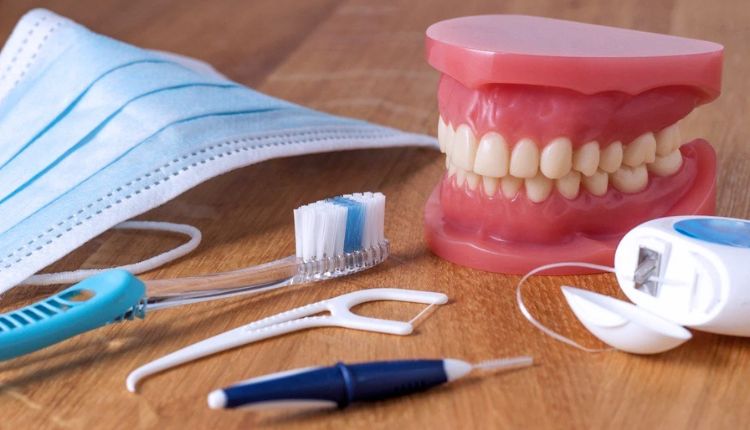
- Brush twice a day for two minutes with fluoride toothpaste
- Clean between teeth once a day with floss or another tool
- Rinse with water after coffee, tea, soda, or red wine
Some foods and drinks stain teeth and restorations faster than others. The table shows a clear comparison.
Common drinks and their impact on cosmetic work
| Drink | Stain risk | Effect on whitening and bonding | Simple protective step |
|---|---|---|---|
| Black coffee | High | Darkens edges and uneven spots | Rinse with water and drink quickly |
| Tea | High | Causes yellow tint over time | Use a straw with iced tea |
| Soda | Medium | Weakens enamel and bonding sites | Limit use and avoid sipping all day |
| Water | Low | No stain and helps rinse acids | Choose as main drink |
Night guards also count as preventive care. If you grind your teeth, the force can chip veneers and wear down bonding. A custom guard spreads that pressure and protects both natural teeth and cosmetic work.
4. Early problem spotting saves teeth and money
Small issues cost less to fix. They also need fewer drilling and fewer visits. When you skip routine care, you often pay with more pain and higher bills later.
During a preventive visit, your dentist can spot three common warning signs:
- Tiny cracks in old fillings or crowns
- Stain lines that point to decay at the edge of restorations
- Changes in bite that stress certain teeth
Quick repair of a small crack might save a crown. Early treatment of minor decay might save a veneer. Prompt care of a bite problem might prevent a broken tooth and a root canal.
Many families worry about cost. Yet routine preventive visits often cost less over time than repeat major work. Insurance plans often cover cleanings and exams more than other services. Even without insurance, cleanings and checkups are usually cheaper than crowns or implants.
How often to schedule preventive visits
Most people need a checkup and cleaning every six months. Some need more frequent visits. For example, you may need three or four cleanings a year if you:
- Have gum disease
- Have many crowns, bridges, or implants
- Have diabetes or dry mouth
- Use tobacco
Your dentist will review your mouth and medical history. Then you get a clear schedule that matches your risk level. The goal is simple. Keep your mouth stable so your past treatment lasts as long as possible.
Putting it all together
Preventive dentistry is not extra. It is the guard that keeps your restorative and cosmetic work safe. You protect teeth from decay under crowns and fillings. You keep gums strong around veneers and implants. You use daily habits to slow the stain and wear. You catch problems early and avoid emergency treatment.
When you keep regular visits and steady home care, you protect both your health and your budget. Your past investment in your smile keeps paying off for many years.