






Healthy teeth protect your child’s body, speech, and self‑worth. You do not need special tools or long appointments to guard that health. You can start inside your home today. This guide gives you five clear steps that you and your family can use together. Each step is simple, quick, and strong enough to lower the risk of cavities and gum disease. You will see how daily routines, food choices, and small checks can keep teeth strong. You will also learn when home care is not enough and a visit to a dentist in Westwood, NJ is the right move. Dental problems often grow in silence. They can lead to pain, missed school, and costly treatment. You deserve clear facts, not fear. Use these strategies to protect your family, cut stress, and keep every smile steady.
1. Brush together two times each day
Toothbrushing is the base of home care. You lower the risk of cavities when you remove plaque every morning and every night. Brushing together turns a chore into a short shared habit.
Use these steps.
- Brush two times each day for two minutes.
- Use a soft brush and fluoride toothpaste.
- Help children younger than age 8 with brushing.
- Spit out extra toothpaste. Do not rinse with water.
The Centers for Disease Control and Prevention (CDC) explains that fluoride toothpaste helps rebuild weak spots in tooth enamel. That protection is strongest when brushing is steady. You can use a timer or a short song. You can also set a phone alarm that tells the whole family it is time to brush.
2. Floss or clean between teeth every day
Toothbrush bristles do not reach the tight spaces between teeth. Food and plaque stay in those spaces. That buildup raises the risk of cavities and gum infection.
Use one method that fits your family.
- Floss picks for young children or people with limited hand strength.
- Traditional string floss for teens and adults.
- Interdental brushes for larger gaps or braces.
Start with one tooth at a time. Show your child how to slide the floss gently between teeth and curve it against each side. You only need a few minutes. Regular cleaning between teeth also cuts bleeding and swelling along the gums.
3. Choose water and tooth‑friendly snacks
Sugar feeds the germs that cause cavities. Each time your child sips a sugary drink or eats a sticky snack, those germs make acid that weakens enamel. That damage grows when snacking happens all day.
Use three simple food rules.
- Serve plain water instead of juice or soda.
- Keep sweets with meals, not between meals.
- Offer snacks like cheese, nuts, yogurt, or crisp fruits and vegetables.
The National Institute of Dental and Craniofacial Research (NIDCR) notes that limiting sugary drinks and snacks is one of the strongest ways to prevent tooth decay. You do not need to ban every treat. You only need to cut how often sugar touches the teeth.
4. Use fluoride and sealants when needed
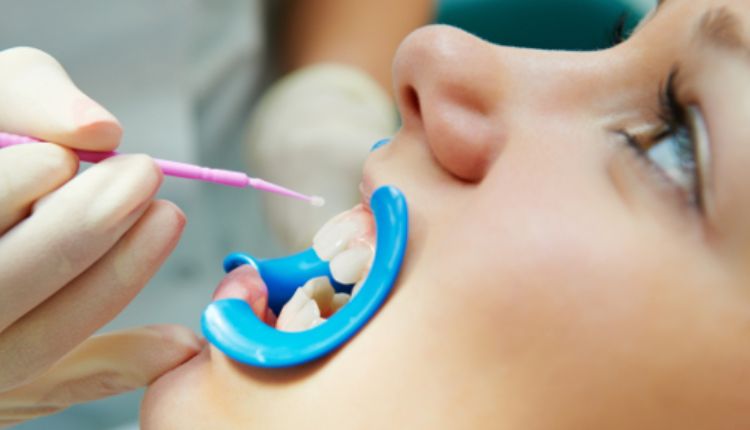
Fluoride strengthens enamel. Sealants cover the deep grooves on the chewing surfaces of back teeth. Together, they give extra safety for children at higher risk of cavities.
At home, you can.
- Use fluoride toothpaste for all family members who can spit.
- Ask your dental team about fluoride varnish for young children.
- Talk with your dentist about sealants on permanent molars.
Some homes get fluoride from public water. Other homes use bottled or well water. Regular dental visits help you know if your child needs extra fluoride from treatments or prescriptions.
5. Watch for early warning signs and keep checkups
Many dental problems start without pain. Your child may feel fine even while a cavity grows. Early checks at home help you notice changes before they turn into emergencies.
Look in your child’s mouth once a month. Use a small light. Gently lift the lips and cheeks. Watch for.
- White or brown spots on teeth.
- Red or puffy gums that bleed when brushing.
- Bad breath that does not go away after brushing.
- Pain when chewing or hot and cold sensitivity.
Regular dental visits every six months support your home care. Your dentist can spot early decay, clean hardened plaque, and guide you on fluoride and sealants. If you notice pain, swelling, or fever, do not wait for the next routine visit. Call your dental office right away.
Quick comparison of daily habits
| Habit | How often | Main benefit | Family tip
|
|---|---|---|---|
| Brushing with fluoride toothpaste | Two times each day | Removes plaque and strengthens enamel | Brush together and use a two‑minute timer |
| Flossing or cleaning between teeth | One time each day | Cleans tight spaces and protects gums | Start with floss picks for children |
| Choosing water and smart snacks | All day habit | Lowers sugar exposure and acid attacks | Keep water bottles ready on the counter |
| Fluoride and sealant choices | As advised at checkups | Adds extra shield for cavity‑prone teeth | Ask about molar sealants when new teeth come in |
| Home mouth checks | One time each month | Spots early changes before pain starts | Use a small light and make it a set routine |
Putting the five strategies together
You do not need to change everything at once. First, choose one habit that feels easiest. Next, add a second habit after one or two weeks. Then keep building. Small, steady steps protect your child’s teeth, lower stress for you, and reduce the chance of late-night dental visits. With clear routines at home and regular support from your dental team, your family can keep strong, comfortable smiles through every stage of life.