






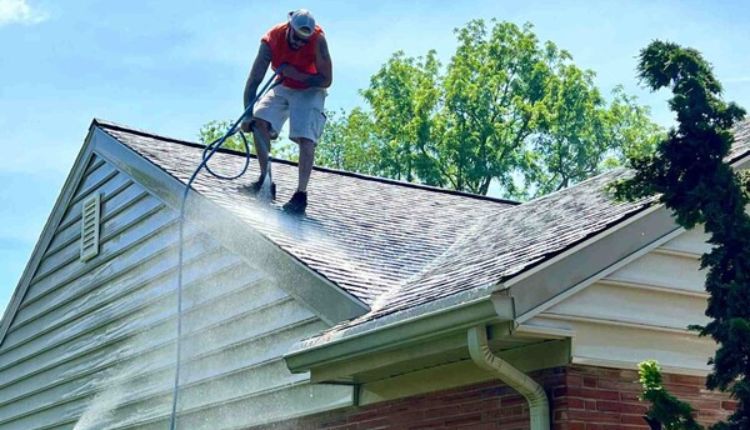
Roofs naturally lose strength as their materials dry out, fade, and deteriorate under years of demanding conditions. These changes reduce surface stability and weaken the bond that holds protective granules in place. Many property owners look for dependable ways to reinforce aging surfaces without the high cost of full replacement.
Shingle rejuvenation process helps surfaces regain vital qualities by restoring natural oils, improving density, and strengthening the rooftop’s protective layer. These carefully crafted bio-based formulas enhance the structure in ways that boost long-term resilience across demanding environmental conditions. The upcoming sections reveal five powerful mechanisms behind this restoration process that deliver impressive improvements in adhesion and weather protection.
1. Oil Replenishment That Restores Shingle Flexibility
Bio-based rejuvenation restores essential oils that shingles gradually lose during years of sun exposure. Once restored, the shingles regain flexibility that helps them withstand expansion and contraction cycles. This flexibility reduces cracking, a common problem that allows water to penetrate the roof surface.
Restored shingles perform more reliably during extreme weather events that strain roof systems. This renewed flexibility supports better protection for the home. The restoration process helps create a stronger surface capable of resisting long-term wear.
2. Stronger Granule Bonding That Reduces Erosion
Granules provide the first line of defense against UV radiation, water intrusion, and general roof wear. When shingles dry out, these granules loosen and wash away during heavy rain. Bio-based rejuvenation strengthens the bond between asphalt and granules by replenishing the oils that once held them securely.
This renewed adhesion reduces erosion that accelerates roof aging. With stronger bonding, shingles maintain their protective coating far longer than untreated surfaces. Strong adhesion also supports better performance during storms that typically cause rapid surface loss.
3. Enhanced Waterproofing That Prevents Moisture Damage
Bio-based rejuvenation improves waterproofing by restoring the oils that help repel water naturally. This restored barrier prevents moisture from seeping into cracks or pores within the asphalt layer. Better waterproofing reduces the risk of leaks that lead to internal damage or structural weakening.
Retail and residential properties alike benefit when the roof retains its ability to shed water efficiently. Moisture resistance is crucial during periods of heavy rainfall or high humidity that challenge the roof’s surface. A restored waterproof layer helps protect the interior from costly damage.
4. Increased Flexibility That Supports Weather Resistance
A flexible shingle adapts better to shifting temperatures, strong winds, and seasonal stress. Bio-based rejuvenation softens brittle shingles, helping them move naturally instead of cracking under pressure. Increased flexibility enhances the roof’s ability to withstand hail, falling debris, and sudden weather changes.
This improvement reduces the chance of shingles breaking apart or separating from their adhesive layers. More flexible shingles also create a tighter seal that prevents wind-driven rain from entering beneath the surface. This added resilience strengthens the roof’s weather tolerance.
5. Surface Revitalization That Improves Durability
The rejuvenation process revitalizes the roof’s surface by restoring strength and reinforcing weakened areas. A strengthened surface resists damage that appears after years of harsh environmental exposure. Rejuvenation helps preserve the structural composition of each shingle, ensuring it continues performing effectively.
Revitalized shingles hold their granules more securely and resist impacts with greater success. This renewed durability reduces future repair needs and extends the life of the roof significantly. A rejuvenated roof maintains performance without requiring premature replacement.
Bio-based roofing treatments provide meaningful support for aging materials by improving adhesion and reinforcing protective surface layers. Their natural formulas help increase durability while enhancing resistance to environmental strain and shifting weather conditions. These advantages make shingle rejuvenation process an effective solution for extending the usefulness of existing roofing systems. Stronger adhesion and restored surface qualities support long-term protection that remains reliable across changing seasons.