






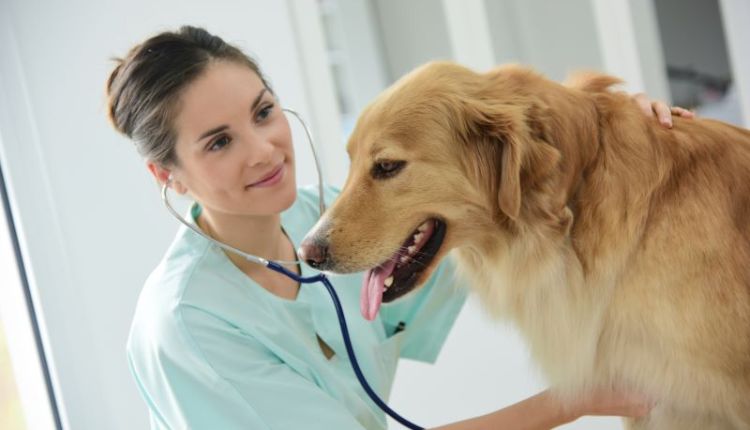
You want your pet to stay safe, strong, and calm. You cannot do that alone. Your vet is your partner. Together you can build a simple plan that protects your pet from pain, confusion, and sudden illness. This plan does not need complex tests. It needs trust, clear steps, and steady follow through. Your vet listens to your worries, explains what matters now, and helps you prepare for what comes next. You bring daily observations. Your vet brings medical training. That shared effort keeps small problems from turning into emergencies. It also helps you notice changes in behavior, appetite, or energy before they become serious. If you care about pet wellness in Murrieta, CA, or in any town, the same truth stands. Strong teamwork between you and your vet keeps your pet safe, comfortable, and present in your life for as long as possible.
1. You Build A Preventive Care Schedule Together
Healthy pets rarely stay healthy by accident. You and your vet build a clear schedule that fits your pet’s age, species, and history. You agree on what happens each year and why it matters.
Common parts of a shared care schedule include:
- Routine exams
- Core and risk based vaccines
- Heartworm, flea, and tick prevention
- Dental checks
- Weight checks
Your vet guides the timing. You follow through at home. This steady rhythm protects your pet from many painful conditions. It also gives your vet a clear record, so small changes stand out fast.
You can read simple vaccine and parasite guidance from the Centers for Disease Control and Prevention. That resource supports the plan you build with your vet.
2. You Share Daily Clues Your Vet Cannot See In The Clinic

Your vet sees your pet for minutes. You see your pet for hours. That means you hold powerful clues. You notice the small things that show early disease.
Key changes to track and share include:
- Eating more or less than usual
- New thirst or more trips to the water bowl
- New limping, stiffness, or slow movement
- Hiding, clinginess, or sudden fear
- Coughing, sneezing, or breathing trouble
- Vomiting or loose stool
Clear notes help your vet act fast. You can keep a simple log on paper or your phone. You do not need medical words. Plain words and dates are enough.
3. You Decide On Food, Weight, And Exercise As A Team
Extra weight hurts joints, heart, and mood. It shortens life. You and your vet can prevent that. You do not need harsh diets. You need honest talk and small daily changes.
During visits your vet can:
- Check body condition with hands and eyes
- Explain goal weight in plain terms
- Review food labels with you
- Suggest feeding amounts and timing
- Offer safe exercise plans for age and health
You then control what goes in the bowl and how much your pet moves. That shared control protects joints and organs. It also helps your pet stay active and more engaged with your family.
Common Health Risks By Weight Status In Adult Dogs
| Weight Status | Simple Body Clues | Common Health Risks
|
|---|---|---|
| Underweight | Ribs and spine very easy to see and feel | Weakness, poor healing, low immune defense |
| Healthy weight | Ribs easy to feel, waist easy to see from above | Lower risk of joint and heart disease |
| Overweight | Ribs hard to feel, no clear waist | Joint pain, breathing trouble, early fatigue |
| Obese | Ribs cannot be felt, belly round or sagging | Diabetes, severe joint damage, shorter life span |
You can compare this with guidance from the American Veterinary Medical Association. Then you can ask your vet how it fits your own pet.
4. You Plan For Emergencies Before They Happen
Scary events hit fast. A car strike. A dog fight. A sudden collapse. You feel shocked. In that moment, clear steps matter more than calm feelings. Your vet can help you prepare long before anything happens.
You and your vet can:
- List common local risks such as heat, snakes, or traffic
- Review signs that mean you must seek care right away
- Build a small pet first aid kit for your home and car
- List emergency clinics with numbers and directions
This shared plan reduces delay. It also lowers panic. You know what to do and where to go. Your pet gets faster care. That can prevent lasting damage.
5. You Share Decisions About Aging And Long Term Illness
Aging pets need more care. They may move more slowly, see less, or hear less. Some face heart disease, kidney disease, or cancer. These words carry fear. You do not need to face that fear alone. Your vet stands with you.
Together you can:
- Set clear goals for comfort and daily joy
- Choose pain control plans that fit your home life
- Adjust food, water, and rest spots for weak pets
- Talk openly about when life no longer feels like life for your pet
This kind of talk hurts. It also protects your pet from long silent suffering. You give love. Your vet gives medical facts. Together you choose the path that respects both.
How To Strengthen Your Partnership With Your Vet
You can start today. You do not need a crisis. You only need a choice to act.
Simple steps include:
- Schedule regular wellness exams even when your pet seems fine
- Arrive with written questions and recent changes
- Ask your vet to restate the plan in clear steps you can repeat back
- Follow the plan and call if you cannot
Strong teamwork does not remove every illness. It does reduce preventable pain. It also gives you something rare. It gives you the quiet belief that you did what you could for the animal that trusts you most.