






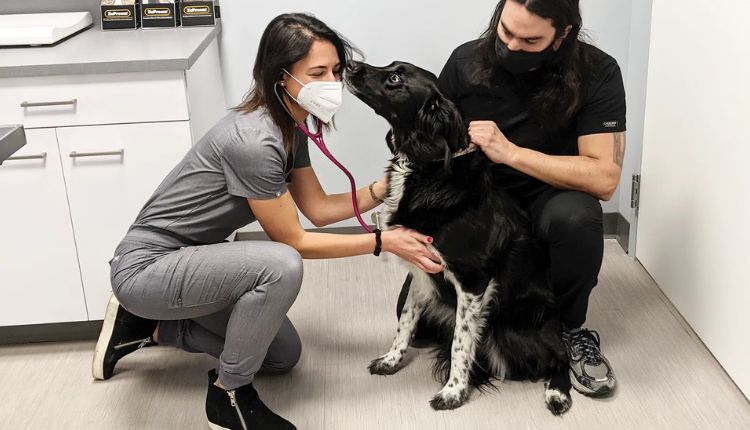
You share your life with an animal who depends on you. That trust can feel heavy. A veterinarian stands in the middle of that bond. A veterinarian in East San Jose does far more than give shots or treat illness. This partner listens to your worries, reads small changes in your animal, and guides you through hard choices. Each visit can either add strain or build a connection. When care is clear, kind, and steady, your animal feels safer. You feel calmer. Together, you both face age, injury, and behavior problems. This blog explains five clear ways vets protect and grow that bond. You will see how simple routines, honest talks, and shared plans keep your animal close to you. You will also see how small steps today prevent deep regret later. Your bond matters. Your vet helps you defend it.
1. Vets Turn Routine Visits Into Trust-Building Moments
Routine visits do more than check boxes. They teach your animal that new places and new hands can feel safe. They also show you that health problems often start quietly and small.
During a checkup, your vet often:
- Touches ears, eyes, teeth, belly, and joints in a calm way
- Gives treats and praise to reward calm behavior
- Shows you how to hold or comfort your animal during care
Each calm visit rewires fear into trust. Your animal starts to expect a kind touch. You start to expect clear answers. That shared trust spills into daily life at home.
You can read more about why routine visits matter on the American Veterinary Medical Association preventive care page.
2. Vets Teach You To Read Your Animal’s Body And Mood
Your animal cannot use words. You rely on signs. A limp. A skipped meal. A growl. A vet helps you turn those signs into a story you can act on.
During visits many vets:
- Point out early signs of pain such as stiff steps or slow jumps
- Explain stress signs like tucked tails, wide eyes, or hiding
- Show you where to feel for weight changes or new lumps
This shared “language” reduces guesswork. You stop blaming your animal for “bad” behavior. You start seeing fear, pain, or confusion. That shift softens your tone. Your animal feels that change and leans on you more.
The CDC Healthy Pets, Healthy People page explains how close attention to animal behavior also protects your own health.
3. Vets Help You Plan For Each Life Stage
Needs change as your animal grows. A vet helps you plan for each stage. That planning protects the bond when life turns hard.
Common life stages include:
- Puppy or kitten. Social time, vaccines, and house training support
- Adult. Weight control, teeth care, and exercise plans
- Senior. Pain control, joint support, and end-of-life talks
You and your vet can map out what to expect at each stage. You can agree on what comfort looks like and where you draw the line for suffering. That shared plan removes some fear. It also reduces guilt when you face hard choices.
4. Vets Support Behavior That Protects Your Bond
Behavior problems can break homes. Biting, scratching, howling, and house soiling can push you toward anger or shame. A vet treats these problems as health issues, not moral ones.
Your vet can:
- Rule out pain or illness that cause sudden behavior change
- Teach simple training steps you can use each day
- Refer you to trainers or behavior experts when needed
With the right help, you can turn conflict into progress. You learn to set kind limits. Your animal learns what you want. You both feel safer in the same space.
5. Vets Stand With You During Crisis And Loss
Emergency visits and end-of-life talks cut deep. In those moments, a steady vet can hold your grief with respect. That care protects the love you feel when your animal is gone.
During hard times, a vet may:
- Explain options in plain words and answer every question
- Give clear pain control steps you can use at home
- Guide you through euthanasia decisions with honesty
When you feel heard, you are less likely to doubt your choices later. Your memory of your animal’s last days can carry more peace and less regret. That memory keeps the bond strong even after loss.
How Regular Vet Care Supports Your Bond
The table below shows how the number of routine visits each year can shape both health and trust. These are general examples. Your own plan may differ.
| Routine vet visits per year | Common health outcome | Effect on human animal bond
|
|---|---|---|
| 0 | Problems found late. Higher risk of crisis | High worry. More shock and guilt during illness |
| 1 | Many problems found at a treatable point | Growing trust in vet. Clearer sense of what is normal |
| 2 | Early catch of subtle changes in weight, teeth, or joints | Strong teamwork. Better home care and fewer surprises |
| 3 or more | Close watch for chronic illness or senior needs | Deep trust. Shared plan for comfort and end of life |
Simple Steps You Can Take Today
You can start to strengthen the bond with three simple moves.
- Schedule the next routine checkup even if your animal seems fine
- Write down questions about behavior, diet, or pain before the visit
- Ask your vet to show you one hands-on skill, such as tooth brushing or pill giving
Each small step builds a bridge between you, your animal, and your vet. That bridge will hold steady during calm days and during storms. Your animal gives full trust without choice. With the right vet at your side, you can honor that trust with clear action.