






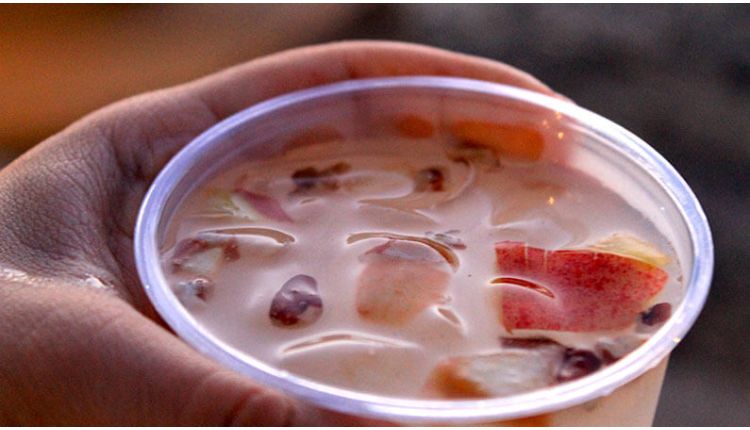
Rooted in heritage and nature, this drink has been a favourite for generations and continues to attract new fans. The drink is smooth, slightly sweet and often produced by natural fermentation, making it a unique addition to the world of traditional drinks.
This article explores everything you need to know about tuba bebida—from its origins and ingredients to its taste, benefits, uses and growing popularity. You will also find useful points throughout the article for easy reading and better understanding.
Introduction to the Tuba bebida
Tuba bebida is more than just a refreshing drink. It is part of a historical tradition that connects people with natural ingredients and ancient preparation methods. The drink is commonly found in areas where palm trees grow in abundance, as the main ingredient comes from the sap of the palm tree. The communities that make this drink have been doing so for centuries, often passing the technique down from one generation to the next.
The magic of this drink lies both in its simplicity and in its natural origin. It represents the connection between people and nature and brings a unique cultural flavour that modern drinks cannot so easily imitate.
A few simple points to better understand this drink:
- It is traditionally made from palm sap.
- It can be sweet or lightly fermented.
- It has cultural significance in many regions.
The drink is often prepared by local communities using natural methods.
How the drink is traditionally made
The process of making a tuba bebida is what makes it truly special. Unlike manufactured drinks in the markets, the production of this drink is often done by experienced local producers who understand the timing, techniques and conditions required.
First, sap is collected from the palm tree. This is done carefully to protect the tree and ensure a high-quality result. After collecting the sap, it is stored in clean containers, where the natural fermentation process begins. Different variations are made depending on the region – some keep the drink fresh and sweet, while others leave it to ferment longer for a stronger flavor.
Key points in the preparation process:
- Collection of fresh palm sap
- Natural fermentation in clean containers
- Different regions have different fermentation times
- Usually, no artificial ingredients are used
This traditional method not only enhances the natural flavour of the drink but also preserves its cultural identity.
Taste, smell and overall experience
The tuba bebida experience is refreshing and unique. The taste usually depends on the time of fermentation, the ingredients used and the region where it is produced. Fresh versions of the drink often taste sweet, smooth and slightly creamy. Fermented versions, on the other hand, can have a sour or slightly alcoholic taste.
The scent is mild and natural, often reminding people of fresh palm trees, tropical surroundings and nature itself. The drink is best served cold, especially in warm climates, where it can be incredibly refreshing.
Characteristics of the flavour profile:
- Mild sweetness
- Natural aroma from palm sap
- Light aftertaste from fermentation (depending on the version)
- Light and refreshing texture
Different variations found in regions
One of the most interesting aspects of ‘tuba bebida’ is the variety found across regions. Different communities prepare the drink in special ways by adding unique flavours or adjusting the fermentation time.
For example, some versions contain fruit to enrich the flavour, while others may contain spices for a stronger aroma. These variations give the drink a more diverse identity and allow people to enjoy it in several forms.
Common variations include:
- Fresh sweet version
- Lightly fermented version
- A stronger fermented version
- Fruit varieties
- Spicy versions depending on cultural customs
Each type has a different taste, making the drink enjoyable for people with different preferences.
Health benefits and Tuba bebida
Tuba bebida is known to contain natural nutrients, especially when kept fresh. Because it is made from palm juice, it often contains vitamins, minerals and natural sugars. Although the nutritional value may vary depending on the preparation, many people prefer it for its refreshing quality and natural origin.
Some of the commonly mentioned benefits include:
- Natural hydration
- Contains vitamins and minerals
- It can aid digestion in fermented form
- It can be a natural source of energy
- Often free of artificial chemicals
Due to natural fermentation, some versions may also support gut health, similar to other fermented beverages.
Modern popularity and global interest
What was once a local traditional drink is now gaining global attention. With the growing interest in natural, organic and culturally rich beverages, tuba bebida has become a topic of curiosity for many food lovers. People love tasting drinks that tell a story, and this drink fits perfectly into that category.
Social media platforms, travel blogs and culinary websites have contributed to the drink’s growing popularity. Travellers who visit tropical areas often try this drink and share their positive experiences online, inspiring others to learn more about it.
Reasons for growing worldwide interest:
- The rise of natural and organic drinks
- Curiosity about cultural drinks
- The influence of social networks
- A unique taste experience
- Health-conscious consumers are exploring new options
Traditional uses other than drinking
Tuba bebida’s versatility extends beyond its role as a refreshing drink. In some regions, it is used for cooking, religious events and local celebrations. The drink symbolises tradition, togetherness and appreciation of natural resources.
Some communities use it as a base for making vinegar or other fermented products. It can also be offered during festivals or cultural ceremonies as a symbol of respect for ancestral traditions.
Some uses include:
- Cooking ingredient
- Cultural celebrations
- Traditional ceremonies
- The basis for natural vinegar
- Refreshing for a hot climate
All these uses underline the importance of the drink in everyday cultural life.
How to enjoy it best: Tuba bebida
People enjoy tuba bebida in different ways depending on personal preferences and local customs. While the fresh versions are sweet and best chilled, the fermented versions are perfect for those who like a stronger flavor.
Here are some simple ideas to enjoy the drink:
- Drink it cold on a hot day.
- Add ice and lemon for extra freshness.
- Combine with fruit slices for a tropical flavor.
- Enjoy it with traditional dishes for a cultural experience.
Some individuals even use it as a base for cocktails, giving modern drinks a traditional twist.
Safety, storage and considerations
Since the drink is natural and often produced by local communities, proper storage is essential. Fresh tuba bebida must be kept cool to prevent rapid fermentation. If fermentation is desired, controlled conditions are important to maintain taste and safety.
Important points to consider:
- Keep chilled if you prefer it sweet and fresh.
- Properly sealed containers help maintain quality.
- Buy from trusted producers for safety.
- Fermented versions may contain mild alcohol.
- Consume fresh versions within a short time.
These precautions help preserve the drink’s natural goodness.
Conclusion
Tuba bebida stands as a remarkable example of how tradition, culture, and nature can come together to create a beautiful beverage enjoyed by millions. Whether you prefer the sweet fresh version or the lightly fermented one, the drink carries a deep history and an unforgettable flavour. As interest in natural and cultural beverages grows worldwide, this drink continues to shine as a symbol of heritage, refreshment, and originality.
Its role in tradition, taste, and modern food culture makes it a beverage worth exploring, appreciating, and sharing with others.
FAQs
What is tuba bebida?
It is a traditional drink made from the sap of palm trees, often sweet or lightly fermented.
Does it contain alcohol?
Fresh versions usually do not, but fermented versions may contain mild natural alcohol.
Is it healthy to drink?
Yes, fresh versions contain natural nutrients and hydration benefits, while fermented ones may support digestion.
How should it be stored?
It should be kept cool to slow fermentation and maintain freshness.
Can it be mixed with other flavours?
Yes, many people add fruits, spices, or lemon to enhance the taste.