






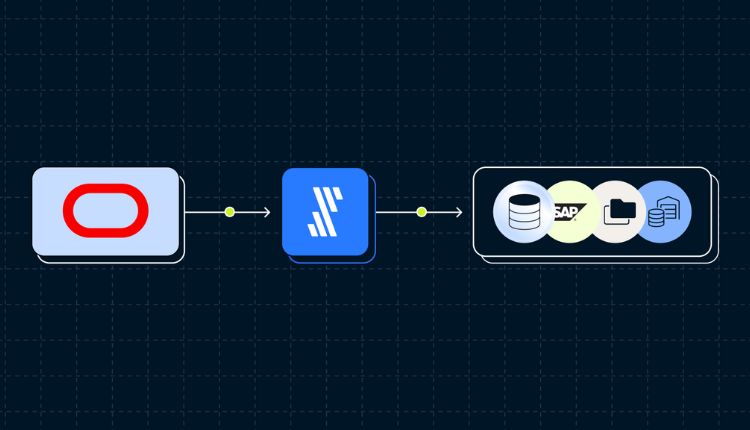
Technology-driven products increasingly depend on live data to deliver value, accuracy, and relevance. From analytics dashboards and automation tools to AI-powered services and research platforms, real-time information has become a core component of modern software architecture. One of the most demanding categories of such information is financial market data, where precision, latency, and consistency are critical.
As applications evolve beyond static logic, developers and engineering teams are seeking scalable data infrastructure that can be integrated efficiently without building complex pipelines from scratch. This shift has led to a growing reliance on specialized financial data platforms that provide structured access to markets through APIs, such as https://finage.co.uk/product/stocks.
Why Financial Market Data Is a Technical Challenge
Financial markets generate massive volumes of time-sensitive data. Prices change continuously, trading volumes fluctuate rapidly, and external events can impact markets within milliseconds. From a technical perspective, working with this data introduces several challenges:
- maintaining low-latency data delivery
- normalizing data from multiple exchanges
- handling high request volumes
- storing and querying large historical datasets
- ensuring data accuracy and uptime
Building and maintaining such infrastructure internally can be costly and time-consuming, especially for small and mid-sized teams.
API-Driven Architecture as a Solution
Modern financial data platforms address these challenges through API-driven delivery models. Instead of managing raw feeds and exchange connections, developers interact with standardized endpoints that return clean, structured datasets in formats like JSON.
This approach allows engineering teams to:
- integrate real-time data into applications quickly
- scale systems without redesigning infrastructure
- decouple data ingestion from business logic
- support both live and historical analysis
- reduce operational complexity
APIs fit naturally into modern development environments, including microservices architectures, cloud-native deployments, and serverless workflows.
Use Cases in Technology-Focused Products
Financial data is no longer limited to trading platforms. In the technology space, it supports a wide range of applications:
- Analytics dashboards that visualize trends and correlations
- Automation systems that trigger actions based on market thresholds
- AI and machine learning models trained on historical time-series data
- Educational platforms that teach economics, data science, or finance using real datasets
- Business intelligence tools that monitor sector performance and global indicators
These use cases demonstrate how financial data acts as a foundational layer rather than a standalone feature.
Reliability and Scalability as Engineering Priorities
For technical teams, reliability is as important as functionality. Data services must deliver consistent performance under load, handle failures gracefully, and maintain predictable response times. When financial data becomes part of a larger system, any inconsistency can propagate downstream and impact user experience.
By relying on external platforms designed specifically for market data, development teams reduce risk and gain the ability to scale applications confidently as usage grows.
Looking Ahead
As software systems continue to evolve toward data-centric design, the importance of reliable financial data infrastructure will only increase. Developers, researchers, and product teams need access to real-time and historical information without sacrificing performance or stability.
Platforms that provide structured market data through APIs enable teams to focus on innovation rather than infrastructure — accelerating development cycles and supporting more intelligent, responsive applications.