






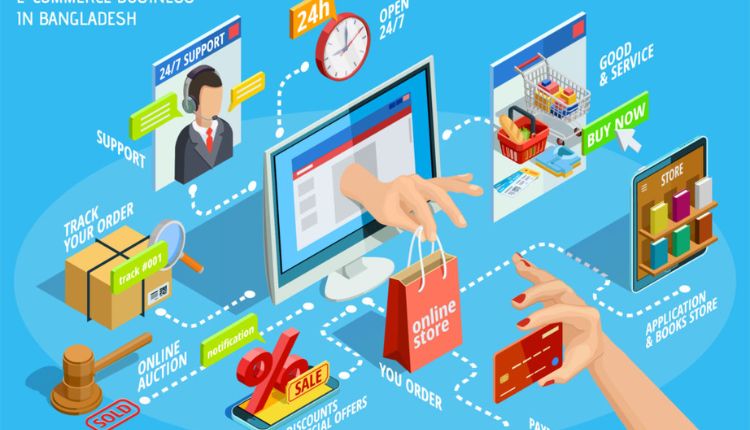
With the rapid growth in internet usage and mobile commerce, consumers now prefer online shopping for convenience, variety, and better prices. E-commerce allows businesses to reach customers across geographic boundaries, operate 24/7, and scale faster than traditional brick-and-mortar stores. Whether you’re a small business owner, entrepreneur, or freelancer planning to sell products or services online, understanding how an online store works is critical to long-term success.
In today’s competitive digital market, simply launching a store is not enough. You need the right planning, the right platform, effective product presentation, secure payment systems and strong marketing strategies. This article provides a step-by-step guide to creating and growing a store. Each section dives deep into the critical aspects of running a store, ensuring you have a complete plan from setup to scaling. By the end of this guide, you will have clarity on how to build a profitable online business that attracts customers and ensures consistent sales.
Understanding the concept of online shopping
A store is a digital platform where businesses sell products or services over the internet. Unlike physical stores, a store eliminates the need for a physical location and allows customers to browse, compare, and buy products from anywhere in the world. This flexibility makes stores highly attractive to both sellers and buyers.
At its core, a store consists of several basic components. These include the website or platform, product listings, shopping cart system, payment gateways and order management tools. Together, these elements create a seamless shopping experience for customers. Modern stores also integrate advanced features such as customer accounts, order tracking, reviews, and personalized recommendations.
One of the biggest advantages of a store is scalability. You can start small with a limited number of products and gradually expand your inventory as demand grows. Online stores also provide valuable data through analytics, allowing store owners to understand customer behaviour and optimize sales strategies. Some common types of stores include:
- Single-product stores focus on one specialized item
- Multi-product stores offering a wide range of products
- Dropshipping stores where inventory is handled by third parties
- Digital product stores that sell e-books, courses or software
Understanding these models will help you choose the right structure for your business goals. A store is not just a website; it’s a complete ecosystem designed to convert visitors into loyal customers.
Choosing the right platform for your online store
Choosing the right platform is one of the most important decisions when building an online store. The platform determines how easily you can manage products, process payments, customize designs, and scale your business. There are several popular eCommerce platforms available today, each offering unique features and benefits.
Some platforms are suitable for beginners and require no technical knowledge, while others provide advanced customization options for advanced users. When choosing a platform, consider factors such as ease of use, cost, scalability, security, and customer support. Your choice should match your company’s size, budget, and long-term growth plans.
Popular e-commerce platform options include:
- Hosted platforms that provide hosting, security, and updates
- Self-service platforms that offer full control but require technical management
- Marketplace-based stores that sell through existing platforms
A good eCommerce platform should support mobile responsiveness, fast loading speeds and SEO optimization. It should also integrate with payment gateways, shipping providers and marketing tools. Choosing the wrong platform can limit the growth of your business, so it’s essential to do your research before making a decision.
The right platform acts as the foundation of your online store. It simplifies day-to-day operations and allows you to focus on marketing and customer satisfaction instead of technical issues.
Design of a user-friendly store website
The design of your store plays a vital role in acquiring and retaining customers. A well-designed store builds trust, improves user experience and increases conversion rates. Visitors should be able to navigate your store easily and find products without confusion.
A clean layout, consistent colour scheme and professional typography help create a strong brand identity. Product pages should include high-quality images, clear descriptions, pricing details, and call-to-action buttons. A cluttered or confusing design can turn potential customers away in seconds.
Key elements of an effective store design include:
- Simple navigation menus for easy browsing
- Mobile design for smartphone users
- Fast-loading pages to reduce bounce rates
- Clear payment process with minimal steps
User experience should always be the top priority. Features like search bars, filters, and category pages help customers quickly find what they’re looking for. Trust signals such as customer reviews, secure payment icons and clear return policies also increase credibility.
A user-friendly design of a store not only improves customer satisfaction but also positively affects search engine rankings, making it an essential part of store success.
Product selection management in the online store
Choosing the right products is the backbone of any successful online store. Your product selection should be based on market demand, competitive analysis and profitability. Selling products that solve real problems or meet specific customer needs increases the chances of long-term success.
Inventory management is equally important. Poor inventory control can lead to inventory shortages or excess inventory, both of which hurt profitability. An efficient inventory system ensures that product availability is accurately reflected in your store.
Effective product and inventory strategies include:
- Research trending products using market tools
- Maintaining accurate inventory in real time
- Using inventory management software for automation
- Planning restocking plans to avoid shortages
Product descriptions should be detailed and informative, highlighting features, benefits and instructions for use. Clear prices and transparent shipping costs also influence purchasing decisions. Proper inventory management helps maintain customer confidence and ensures smooth order fulfilment.
A store that offers the right products with reliable availability builds a strong reputation and encourages repeat purchases.
Payment gateways and security for online stores
Secure payment processing is a critical aspect of running a store. Customers need to be confident that their personal and financial information is protected. A reliable payment gateway enables smooth transactions and reduces cart abandonment rates.
Online stores usually Online Store support multiple payment options to satisfy different customer preferences. These can be credit cards, debit cards, digital wallets and bank transfers. Offering multiple payment methods increases conversion rates and customer satisfaction.
Important aspects of payment and security include:
- SSL certificates for the encryption of customer data
- Trusted payment gateways with fraud protection
- Adherence to safety standards
- Transparent return and cancellation policy
A security breach can seriously damage a store’s reputation. Regular software updates, strong passwords, and suspicious activity monitoring help protect your store from threats. A secure store not only protects customer data but also builds long-term trust.
Marketing strategies to grow your online business
Marketing is essential to increase traffic and sales of your online store. Without effective marketing, even the best-designed store can struggle to attract customers. The best results come from a combination of organic and paid marketing strategies.
Search engine optimization helps improve your store’s visibility in search engines. Social media marketing builds brand awareness and engages potential customers. Email marketing informs existing customers about promotions and new products.
Effective store marketing strategies include:
- SEO optimization for product and category pages
- Content marketing through blogs and guides
- Social media advertising for targeted reach
- Email campaigns to encourage repeat sales
Consistency is key in marketing. Analyzing performance metrics helps refine strategies and maximize ROI. A well-planned marketing approach ensures steady growth and higher brand awareness.
Customer service and store retention
Customer service is a determining factor in the success of an online store. Excellent customer support builds trust and encourages repeat purchases. Quick responses to inquiries and efficient problem-solving increase customer satisfaction.
Providing multiple support channels, such as email, live chat, and FAQs, ensures that customers can easily contact you. Clear communication about shipping, returns and refunds also reduces confusion.
Customer retention strategies include:
- Loyalty programs to reward repeat buyers
- Personalized offers based on purchase history
- Instant order updates and tracking information
- Collecting feedback to improve services
Focusing on customer retention reduces marketing costs and increases lifetime value. A customer-centric store creates lasting relationships and sustainable growth.
Optimize your store for long-term success
Once your online store is established, scaling becomes the next goal. Scaling involves expanding product offerings, entering new markets, and improving operational efficiency. Data-driven decisions play a critical role in successful scaling.
Analysing sales trends, customer behaviour and marketing performance helps identify growth opportunities. Automation tools streamline processes such as inventory management, order fulfilment and customer communication.
Key scaling strategies include:
- Expanding product lines based on demand
- Optimizing website performance for speed
- Use of analytical tools for statistics
- Outsourcing tasks with a focus on growth
Long-term success requires continuous improvement. Regular testing and optimisation will ensure that your store remains competitive in a dynamic digital environment.
Conclusion
E-commerce offers endless possibilities for entrepreneurs and businesses willing to invest time and effort in building a strong digital presence. From choosing the right platform and designing a user-friendly website to implementing secure payment systems and an effective marketing strategy, every step plays a vital role in success.
By focusing on customer experience, product quality, and data-driven optimisation, you can create an online store that not only attracts visitors but also turns them into loyal customers. The journey can be challenging, but with the right approach, an store can become a sustainable and profitable business model for years to come.
Frequently asked questions
What is a store?
A store is a digital platform where products or services are sold over the internet.
How much does it cost to start a store?
Costs vary based on platform, hosting, design and marketing costs.
Do I need technical skills to run a store?
Many platforms are suitable for beginners and require minimal technical knowledge.
How can I increase sales in my store?
Using SEO, social media marketing, and email campaigns and improving the user experience can increase sales.
Is the store profitable?
Yes, with proper planning, product selection and marketing, an online business can be highly profitable.