






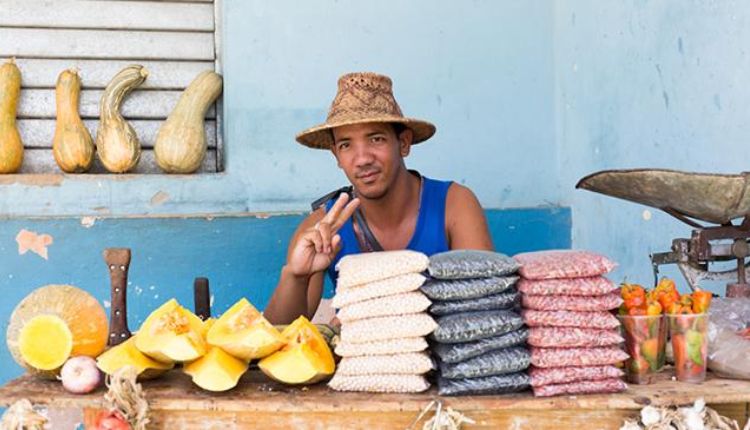
Known for its blend of traditional commerce, modern innovation, and cultural life, the Market provides insight into the island’s economy, social life and tourist appeal. In this article, we examine the Cuban market from different perspectives, highlighting its key features, opportunities, and challenges.
History of the Cuban market
The Cuban market has a rich history shaped by colonial influences, socialist reforms and recent economic transitions. Historically, the Cuban economy has relied heavily on agriculture, especially sugar, tobacco, and coffee. Small street markets emerged as places where locals exchanged goods, often bartering in an informal setting.
After the Cuban Revolution of 1959, the government nationalised most industries, and traditional markets were replaced by centralised planning. State stores became the primary source of goods, while private markets were largely suppressed. Despite this, informal markets persisted, often operating under the radar.
In recent years, the Cuban government has implemented reforms to support private enterprise and allow small business owners and artisans to sell products legally. This shift revitalised the traditional market scene and combined historical practices with new business opportunities.
Key points from history:
- Pre-revolutionary: Dominated by agricultural exports.
- Post-revolutionary: Nationalised economy, suppression of private markets.
- Recent reforms: Revival of private and craft markets.
Today, the Market is a complex amalgamation Cuban Market of history, culture, and business, making it a unique destination for locals and visitors alike.
Types of Cuban Markets
The Cuban market is diverse, from local street markets to modern commercial spaces. Primary types include:
Street Markets (Mercados Callejeros): These informal markets offer fresh produce, local crafts, and street food. They are alive and often the heart of neighbourhood commerce.
Farmers’ Markets: Focused on agricultural products such as fruits, vegetables, and dairy products. Many Cubans rely on these markets for daily necessities.
Tourist Markets: Located in major cities such as Havana and Santiago, they cater to international visitors and sell souvenirs, cigars, and traditional Cuban art.
State-controlled markets: Modern shops regulated by the government that provide basic necessities at standardised prices.
Each type serves different purposes. While street and farmers’ markets primarily serve locals, tourist markets aim to introduce visitors to Cuban culture. State-run stores provide stability but often have limited supplies.
Key points on types:
- Street markets emphasise community and culture.
- Farmers’ markets are essential to the local food supply.
- Tourist markets focus on Cuban souvenirs and crafts.
- State-run markets ensure access to basic goods.
The diversity in markets reflects the island’s dual approach to preserving tradition while integrating modern economic models.
Popular products in the Cuban
Cuban markets offer a variety of products Cuban Market that reflect the island’s rich culture and resources. Some of the most popular include:
- Cuban Cigars: World-famous and a staple in both local and tourist markets.
- Coffee: Cuba produces high-quality coffee, often sold directly by small farmers.
- Handicrafts: Handcrafted items such as ceramics, woodcarvings and textiles showcase Cuban artistry.
- Fresh produce: Local markets are dominated by fruits such as mangoes, guavas and citrus.
- Rum and Spirits: Cuban rum is internationally recognised and commonly found in tourist markets.
- Street food: Dishes like “tostones”, “ropa vieja” and “empanadas” are widely available.
Points for popular products:
- Premium cigars and tobacco.
- Local coffee and agricultural products.
- Traditional Cuban crafts and artwork.
- Fresh fruits and vegetables.
- Authentic Cuban rum and spirits.
- Street specialities reflecting Cuban cuisine.
These products are not only economic commodities but also cultural symbols that represent Cuban heritage, resources and craftsmanship.
Cuban market economy
The Cuban market plays a key role in the country’s economy. It operates within a unique hybrid system combining state control with growing private enterprise. The economy relies on a mix of state-owned businesses, cooperative initiatives and informal markets.
Key economic features:
Currency system: Cuba operates two currencies: CUP (Cuban peso) for locals and CUC (convertible peso) for tourists, which affects market prices.
Tourism Impact: Tourism spending has become a critical source of income, especially in cities like Havana and Varadero.
Local business: Small businesses and artisans make a significant contribution to the economy through private market participation.
Supply Challenges: Restricted imports and economic sanctions affect product availability in markets.
Highlights of the economic role:
- A hybrid economy with public and private sectors.
- Tourism increases market revenue.
- Entrepreneurs thrive in informal and legal markets.
- Currency differences affect prices and availability.
Despite the challenges, the Cuban remains resilient, adapting to both domestic needs and international tourism trends.
Cuban and tourism
Tourism and the Cuban market are deeply connected. Many visitors are attracted by the opportunity to explore local markets, experience Cuban culture and purchase authentic products. Tourist markets provide curated experiences, while street markets offer immersive everyday encounters.
Attractions for tourists:
- Authenticity: Markets allow tourists to see traditional Cuban lifestyles and crafts.
- Souvenirs: Cigars, rum and handmade goods are popular purchases.
- Culinary experience: Street food vendors give visitors a taste of local flavours.
- Interaction with locals: Markets encourage direct interaction with Cuban vendors and provide insight into cultural norms and traditions.
Bullets for tourists:
- Explore Havana’s authentic craft markets.
- Try Cuban street food at local stalls.
- Buy souvenirs such as cigars, coffee and rum.
- Experience cultural interactions with local vendors.
The Cuban is a must for tourists looking for both shopping and cultural immersion.
Challenges in Cuban
Operating in the Cuban markets presents unique challenges. Limited resources, government regulation and restrictions on international trade create a complex environment for both sellers and buyers.
Common Challenges:
- Lack of supply: Certain goods are scarce due to import restrictions and domestic production limits.
- Price Fluctuations: Dual currencies and inflation affect market stability.
- Regulatory hurdles: Vendors must navigate licensing, permits and government policies.
- Informal Market Risks: Unofficial markets can be unpredictable and sometimes risky for buyers.
Points for Challenges:
- Limited availability of imported products.
- Price differences between CUP and CUC markets.
- Government regulations restrict market freedom.
- Informal markets bring reliability concerns.
Despite these challenges, markets continue to thrive, supported by resilient entrepreneurs and loyal local customers.
The future of the Cuban
The Cuban market is developing rapidly due to economic reforms and the growth of private business. Emerging trends indicate a promising future for both local suppliers and international investors.
Key trends:
- Digital integration: Online marketplaces and mobile payments are slowly entering the market.
- Increased private enterprise: Legal reforms support small businesses and cooperatives.
- Tourism Growth: Expanding tourism continues to drive demand for marketable products.
- Cultural preservation: Artisans and local producers maintain traditional Cuban crafts and ensure cultural continuity.
Points on future prospects:
- Expansion of online and digital market platforms.
- Government support for private business growth.
- Increased spending by tourists on market goods.
- Permanent focus on cultural and artisanal products.
Cuba is to maintain its cultural significance while adopting modern economic strategies.
Cuban tips for visitors
For those planning to explore the Cuban market, preparation ensures a richer experience. Understanding local customs, currency and market etiquette is essential.
Tips for visitors:
- Currency awareness: Carry CUP for local shopping and CUC for tourist-oriented markets.
- Bargaining Skills: Bargaining is common in street and tourist markets.
- Local Etiquette: Respect vendors and understand local business practices.
- Product Knowledge: Learn about Cuban specialities such as cigars, coffee and handmade items.
- Timing: Visit the markets early for fresh produce and the best selection.
Bullets for tips:
- Know the currency differences (CUP vs. CUC).
- Practise polite negotiation.
- Respect local customs and market etiquette.
- Learn about popular Cuban products.
- Plan your visits for peak picking times.
With the right preparation, visiting Cuba can be an unforgettable cultural and shopping experience.
Conclusion
A Cuban market is more than just a place to buy and sell goods – it’s a cultural institution that reflects the island’s history, resilience and creativity. From traditional street markets to tourist centres, each market offers a unique insight into Cuban life.
Despite economic challenges, these markets continue to thrive, blending tradition with innovation. Whether you’re a local shopper, an entrepreneur or a curious tourist, Cuba offers a rich and unforgettable experience.
Frequently asked questions
Q1: When is the best time to visit Cuba?
A1: Early mornings are ideal for fresh and popular produce, especially at street and farmers’ markets.
Q2: Are markets safe for tourists?
A2: Yes, most Cubans are safe. It is advisable to remain vigilant with personal belongings and observe local customs.
Q3: Can I pay in USD in markets?
A3: USD is not commonly accepted. Use CUP for local markets and CUC for tourist-orientated markets.
Q4: Are bargaining and negotiation common?
A4: Yes, especially in street and tourist markets. Polite negotiation is expected and culturally accepted.
Q5: What souvenirs should I buy in markets?
A5: Popular items include Cuban cigars, handmade goods, coffee, rum and local art.