






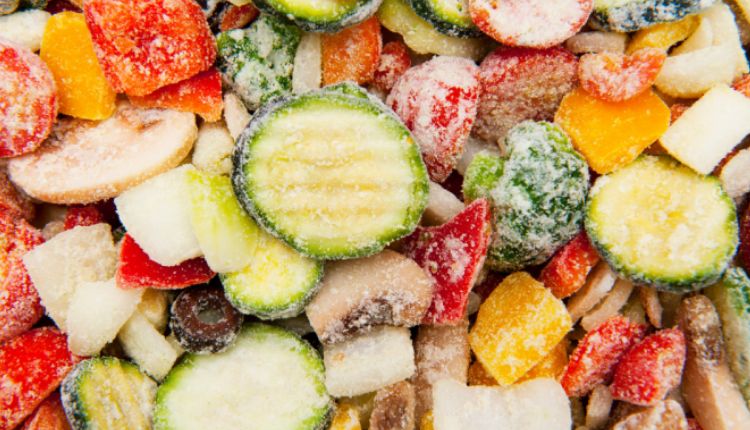
In the food processing industry, speed and safety are paramount. Thawing frozen ingredients and products efficiently without compromising their quality is a challenge many businesses face. This is where thawing systems come into play. These advanced systems help food producers and processors achieve faster thawing times while maintaining food safety and product integrity.
In this article, we’ll explore 10 key benefits of thawing systems, demonstrating how they improve processing times, enhance food safety, and streamline overall operations.
1. Faster Thawing Speeds Up Production
One of the most significant advantages of thawing systems is their ability to dramatically reduce thawing times. Traditional thawing methods, such as room-temperature thawing or water baths, can take hours or even days, which slows down production. Thawing systems cut this process down to just hours or minutes, keeping your production line moving and ensuring that ingredients are ready when needed.
How it helps:
- Quick thawing reduces bottlenecks and downtime in the production process.
- Increased throughput allows your facility to handle more products per day.
- Improved efficiency leads to higher productivity and faster response times to market demands.
The ability to thaw ingredients quickly ensures that your production process stays on schedule, increasing output and revenue.
2. Improved Food Safety with Precise Temperature Control
Food safety is a top priority in food processing, and improper thawing can result in bacterial growth or contamination. Thawing systems provide precise temperature control, ensuring that food is thawed in a safe and controlled environment, reducing the risk of spoilage or foodborne illness.
Why it matters:
- Consistent temperature: Thawing systems maintain a steady, optimal temperature that keeps food out of the “danger zone” (40°F to 140°F), where bacteria thrive.
- Reduced risk of contamination: Automated systems minimize human handling and prevent cross-contamination.
- Compliance with food safety regulations: Thawing systems are designed to meet industry food safety standards, ensuring your products are safe for consumption.
By ensuring proper thawing, these systems help businesses adhere to strict food safety regulations and reduce the risk of product recalls or contamination issues.
3. Enhanced Product Quality and Consistency
Consistency is key in food processing, and thawing systems provide uniform thawing that ensures every product is thawed the same way. This consistency improves product quality, as each batch is processed under identical conditions, preserving the texture, flavor, and nutritional value of your products.
Benefits for quality control:
- Even thawing ensures that all products are thawed to the same degree, reducing the risk of uneven cooking or preparation.
- Improved product integrity maintains the flavor, texture, and appearance of food.
- Better control over the thawing process ensures consistent results with each batch.
Consistent thawing results in higher-quality products, which leads to better customer satisfaction and brand reputation.
4. Reduced Labor Costs and Increased Efficiency
One of the primary goals of automation in food processing is to reduce labor costs while increasing efficiency. Thawing systems are automated, which means they require minimal manual intervention, reducing the need for labor-intensive thawing methods like room-temperature thawing or water baths.
How it helps:
- Lower labor costs: Automated systems handle the thawing process, freeing up employees to focus on other tasks.
- Faster processing: Less time spent monitoring or moving thawed products means more time can be spent on actual production.
- Reduced human error: Automation reduces the chance of mistakes during thawing, ensuring consistent, high-quality results.
With thawing systems, businesses can streamline operations, reduce reliance on manual labor, and improve overall efficiency.
5. Saves Space in the Facility
Traditional thawing methods, such as room-temperature thawing or water baths, often require large spaces to allow for proper thawing. Thawing systems are compact and designed to work efficiently within a limited footprint, saving valuable floor space in your production facility.
Why this matters:
- Efficient use of space allows you to dedicate more room for storage or other production activities.
- Compact systems integrate easily into existing production lines without taking up excessive space.
- Maximized production capacity: With optimized space usage, your facility can handle more processes simultaneously.
Thawing systems help businesses optimize their facility layout, ensuring that every inch of space is used effectively.
6. Increased Flexibility for Different Products
Thawing systems are versatile and can be adapted to work with various types of frozen food, from meats to vegetables to ready-made meals. This flexibility allows businesses to handle a wide range of products with different thawing needs.
How this flexibility benefits operations:
- Adaptable for different foods: Thawing systems can be adjusted to accommodate various products with different sizes, textures, and thawing requirements.
- Multi-product capability: Businesses that produce a range of products can use the same thawing system for multiple types of food.
- Consistent quality across products: Regardless of the product type, thawing systems ensure uniformity in the thawing process.
With the ability to thaw various products efficiently, these systems offer versatility for businesses that handle a broad range of goods.
7. Improved Energy Efficiency
Energy consumption is a significant cost for many food processing facilities. Thawing systems are designed with energy efficiency in mind, using less energy than traditional thawing methods and helping businesses reduce their operating costs.
Energy-saving benefits:
- Optimized heating ensures that energy is used efficiently, without wasting resources.
- Faster thawing times reduce the amount of time energy is needed for thawing.
- Energy-efficient designs minimize energy use while maintaining the necessary thawing speed and quality.
By investing in thawing systems, food processing businesses can save money on their energy bills while improving the overall sustainability of their operations.
8. Supports Large-Scale Production
In large-scale food processing facilities, the ability to thaw large quantities of food quickly and consistently is critical. Thawing systems can handle high volumes of frozen products at once, ensuring that your production line runs smoothly and efficiently, even when demand is high.
How it supports large-scale production:
- High-capacity thawing systems can process large quantities of food in a short amount of time.
- Continuous operation: These systems are built for high-demand environments, allowing for non-stop thawing as needed.
- Scalability: Thawing systems can be scaled up or down based on production needs, ensuring that they meet growing business demands.
By providing high-volume thawing capabilities, thawing systems enable businesses to keep up with large-scale production demands and maintain operational efficiency.
9. Enhanced Control Over Thawing Process
Thawing systems provide precise control over the thawing process, allowing businesses to fine-tune conditions like temperature, time, and humidity to achieve optimal thawing results.
Control benefits:
- Adjustable settings for different products ensure that the thawing process is tailored to the specific needs of each batch.
- Precise temperature regulation keeps products safe from spoilage and ensures even thawing.
- Automated monitoring helps maintain the correct conditions without constant oversight.
With more control over the thawing process, businesses can improve the overall quality of their products and reduce the risk of errors.
10. Better Compliance with Regulations
In the food industry, adhering to food safety regulations is a must. Thawing systems help businesses meet these regulations by providing precise temperature control and ensuring that products are thawed safely.
Compliance benefits:
- Regulatory compliance: Thawing systems meet the required food safety standards, ensuring products are thawed in a controlled, safe manner.
- Traceable data: Many thawing systems offer real-time tracking and reporting, which is essential for compliance audits.
- Reduced risk of violations: By using thawing systems, businesses minimize the risk of violating food safety regulations.
Investing in thawing systems helps businesses stay compliant with industry regulations and avoid costly fines or product recalls.
Conclusion: Why Thawing Systems Are Essential for Faster and Safer Food Processing
The benefits of thawing systems in food processing are clear. From faster processing times and improved food safety to enhanced product quality and operational efficiency, thawing systems are an essential tool for businesses in the food production industry. By automating the thawing process and offering precise control, these systems provide the speed and reliability needed to meet high demand and maintain quality standards.
For food processing businesses looking to improve their operations, investing in thawing systems is a smart decision. They ensure that your products are safely thawed, your operations run smoothly, and your business stays competitive in a fast-paced industry.