






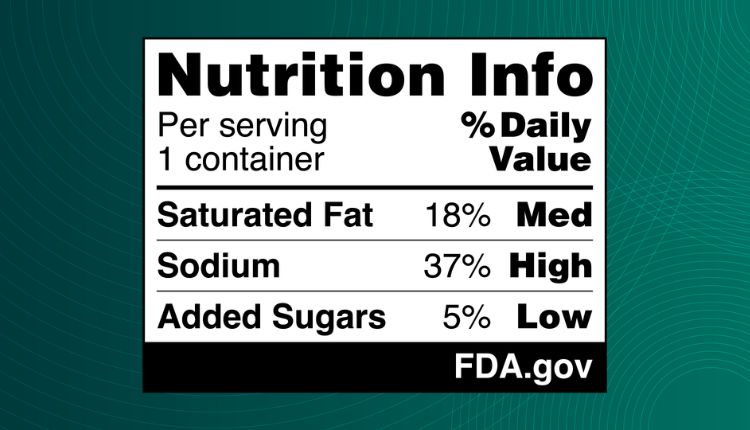
Food packaging does more than protect the product inside. It delivers key facts that help customers decide what to buy. With clear rules in place, food businesses must follow labeling standards closely. Front-facing labels now carry specific information required by authorities.
Reliable platforms, MenuSano supports businesses by offering tools that help present nutrition facts correctly. Labels must follow layout rules, nutrient display formats, and claim limitations. Compliance builds trust and helps businesses meet food labeling laws. Every detail matters when packaging is the first point of contact.
Follow Layout and Display Standards
Front labels must present facts in a way that is clear. Text should be readable, with colors that contrast well against the background. Required information must appear where buyers can see it easily. Fonts and spacing should match approved layout guidelines.
Summary labels, such as icons or symbols, must follow set rules. Not all formats are accepted in every product category. Placement and size matter when using such elements. Businesses should confirm design details before final printing.
List the Correct Nutrients on the Front
Only certain nutrients need to appear on the front label. These usually include calories, sugars, saturated fat, and sodium. The goal is to help buyers understand the main health details. Extra data is allowed only if supported by verified values.
Claims such as “low sodium” must meet exact standards. If the product falls short, the claim cannot appear. Use tested data to support any health claim or nutrient statement. Always check current rules before approving labels.
Avoid Unverified or Misleading Statements
Words like “light” or “healthy” require proof before use. Labels cannot include terms that do not meet official definitions. Every word on the package must match the food’s actual content. Misuse can cause trouble with inspections or buyers.

To stay compliant, use terms supported by lab-tested data. Only list features the product meets fully and clearly. Below are some key label areas to review:
- Nutrient claims
- Health statements
- Flavor descriptions
- Serving size accuracy
- Daily value percentages
Stay Current with Rule Updates and Policy Changes
Food labeling laws can change without much warning. Businesses should check official updates on a regular basis. Rule changes may apply to wording, layout, or nutrient limits. Failing to update labels can lead to noncompliance.
Platforms like MenuSano help teams stay informed and apply updates to packaging quickly. Tools that support rule changes save time and reduce labeling errors. Staying alert to new policies helps businesses protect product integrity. Consistent reviews help packaging meet every standard in place.
How Can Food Businesses Simplify Nutrition Transparency Without Slowing Operations?
Food businesses are expected to display nutrition facts clearly without delay or error. Manual calculations and scattered tools sometimes lead to inconsistencies and longer production timelines. When products change or menus rotate, reworking nutrition data can strain teams. The challenge is delivering accurate nutrition info while keeping workflows efficient and manageable.
Integrated platforms built for nutrition management support this balance with structured systems. They allow teams to calculate, review, and update nutrition labels from one place. Features like database access, automated reporting, and compliance checks help streamline the process. These systems are built to serve both accuracy and operational speed—without adding extra layers of complexity.