






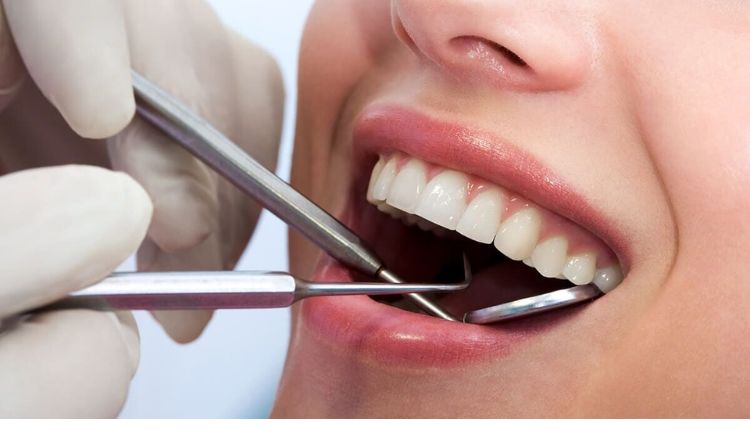
Healthy teeth do not come from one visit. They come from steady care and honest guidance. General dentistry gives you both. Regular checkups teach you what your mouth needs today and what it will need years from now. Each visit builds routine. You learn how to brush with purpose, clean between teeth, and watch for early warning signs. Small changes become firm habits. A dentist in Bloomfield Hills can track those changes, fix problems while they are still small, and keep your routine on course. You gain clear steps, not guesswork. You see how food, stress, and daily choices shape your teeth and gums. Over time, that knowledge turns into action. You start to protect your mouth without thinking about it. That is how general dentistry shapes stronger oral habits that last.
Why routine dental visits change your daily habits
Every checkup gives you three things. You get a clear look at your mouth. You get one small skill to practice. You get a plan for the next visit.
Routine visits do more than clean your teeth. They reset your daily choices. During an exam, your dentist and hygienist can
- Show where plaque hides
- Point out early gum swelling
- Spot signs of grinding or clenching
Each finding connects to one habit. You might need to move the brush along the gumline. You might need to clean between teeth every night. You might need a night guard to protect worn teeth. That focus turns a vague goal into a clear daily step.
The Centers for Disease Control and Prevention explains that regular dental care is linked to lower tooth decay and tooth loss.
How your dentist teaches strong brushing and flossing
Good brushing and flossing look simple. Many people still miss key spots. General dentistry turns these tasks into skills.
During a visit, your dental team can
- Watch how you hold the brush
- Time: how long you brush each section
- Check if floss reaches the curve of each tooth
Then they show you a better way. You may learn to
- Use short strokes along the gumline
- Brush the tongue to cut down on odor
- Slide floss gently under the gum edge
Each visit, you practice one change. Over months, those small changes turn into strong muscle memory. You clean your mouth well without effort.
Tracking progress over time
General dentistry also works like a long-term report card. Your dentist compares each visit with the last one. You see where your habits help and where they slip.
For example, your chart may show
- Fewer new cavities
- Less gum bleeding
- Better control of plaque
That record keeps you honest. It also gives hope. You see proof that daily care matters. Even if you had many fillings in the past, you can change the pattern.
How early care prevents pain and fear
Fear grows when problems wait too long. A small cavity that needs a quick filling today can turn into a deep infection later. That can mean swelling, missed work, and more complex care.
Regular visits catch trouble before it hurts. You face shorter visits. You need less numbing. You feel more in control. Over time, the dental chair feels less scary. That calm feeling makes it easier to keep coming back. Your children watch that calm and learn it too.
General dentistry for children, adults, and older adults
Different stages of life need different support. General dentistry guides each stage.
- Children. Learn brushing, flossing, and healthy snack choices. They also get fluoride and sealants that cut decay.
- Adults. Balance work, stress, and family. They may need help with grinding, smoking, or sugar drinks.
- Older adults. Manage dry mouth, medicines, and tooth wear. They may need help caring for dentures or bridges.
The core goal stays the same. Keep the mouth clean. Catch change early. Protect chewing, speech, and sleep.
What research says about regular dental care
Public health research shows a clear link between routine dental visits and better oral health. The National Institute of Dental and Craniofacial Research shares data on tooth decay and gum disease in the United States.
Comparison of Oral Health Outcomes With and Without Routine Dental Visits
| Pattern of dental care | Common findings | Effect on daily habits
|
|---|---|---|
| Regular checkups every 6 to 12 months | Fewer untreated cavities and earlier gum disease detection | Stronger brushing and flossing routines. More use of fluoride toothpaste |
| Visits only when pain starts | More broken teeth and infections. More extractions | Irregular home care. Higher use of pain relief instead of prevention |
| Long gaps with no dental care | Severe decay and tooth loss. Poor chewing and speech | Low trust in care. Habits often shaped by fear and past pain |
How diet, stress, and daily choices fit into general dentistry
Strong oral habits reach beyond the sink. General dentistry links your mouth to your daily life.
During visits, you can talk about
- Sugar drinks and snacks between meals
- Nighttime snacking or sipping
- Smoking or vaping
- Stress and teeth grinding
Your dentist can help you
- Set limits on sugary drinks
- Rinse with water after snacks
- Use fluoride rinses when risk is high
- Try mouth guards for grinding
Each choice builds or breaks down your teeth. When you see that link often, you tend to choose protection.
Building a family routine that lasts
General dentistry can serve as an anchor for your family routine. You can schedule visits for the same week each year. You can tie cleanings to school breaks or certain holidays. That pattern removes guesswork.
At home, you can
- Brush together twice a day
- Floss at the same time each night
- Use a chart for children to track brushing
Then you bring questions from home to the next checkup. Over time, your family builds a shared sense of care and pride. Teeth stay stronger. Smiles stay steady. Daily life holds less dental pain and fewer urgent visits.