






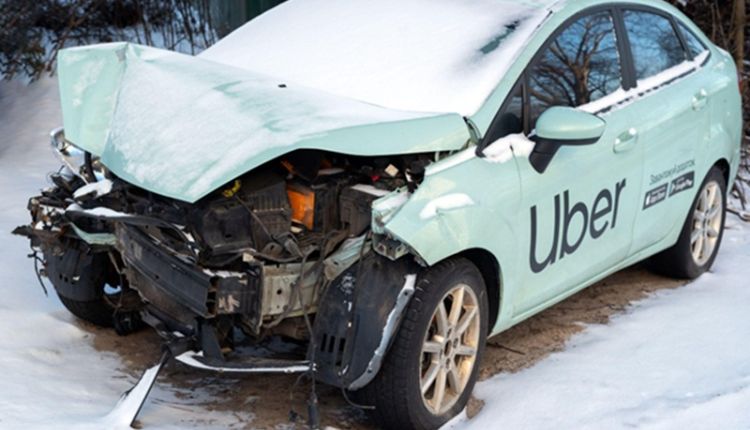
Getting into a car crash is stressful. When that vehicle belongs to a ride-hailing service, figuring out who pays for the damages becomes incredibly complicated. You might assume the driver is automatically responsible for the collision. However, liability depends on several moving parts, including application status, local laws, and other motorists on the road. This guide breaks down exactly how fault works in these specific collisions and what you need to know to protect your rights.
The Complex Nature of Ride-Sharing Collisions
Unlike traditional taxi services, modern ride-sharing drivers work as independent contractors. They use their personal vehicles to transport passengers. Because they are not standard employees, the corporate entities they drive for do not automatically take the blame for every crash. Instead, responsibility shifts based on the exact phase of the ride when the impact occurs. This multi-layered approach to insurance makes determining the responsible party quite difficult for the average person.
How Driver Status Affects Liability
The most critical factor in determining fault is what the driver was doing at the exact moment of the crash. Insurance coverage operates in distinct phases, and the liable party changes as the driver moves through these phases.
The Application is Offline
If the driver is running personal errands and does not have the digital application turned on, standard personal auto insurance applies. The ride-hailing corporation holds zero responsibility in this scenario. The driver is treated just like any other private motorist on the road.
Waiting for a Ride Request
When the driver has the application open and is actively waiting for a match, the situation changes. If an accident happens during this waiting period, the driver’s personal insurance remains the primary coverage. However, the corporate policy may provide a limited backup safety net if the personal auto policy denies the claim or falls short of covering the total damages.
Transporting a Passenger
The moment a driver accepts a ride request until the passenger exits the vehicle, the highest level of commercial insurance coverage activates. If your driver causes a wreck during this time, the corporate policy generally covers the damages and injuries sustained by the occupants. This million-dollar policy limit exists to ensure passenger safety and provide adequate medical compensation.
When Third Parties Are at Fault
Sometimes, the person behind the wheel of your ride is completely innocent. If another motorist runs a red light and strikes your vehicle, that third party bears the liability. Their auto insurance must cover the resulting medical bills and property damage. If the at-fault motorist lacks adequate insurance or if they flee the scene, the ride-hailing service’s uninsured motorist coverage steps in to protect the passengers.
Understanding Passenger Rights
As a passenger, you hold a unique position. You are almost never at fault for the collision. You have the right to seek compensation for medical expenses, lost wages, and physical pain. Navigating these claims requires dealing with multiple insurance adjusters who want to minimize their financial payouts. This is where professional legal guidance becomes vital. If you find yourself in this situation, speaking with a qualified Lyft accident lawyer in Salt Lake City can help clarify your options and ensure you receive fair treatment from all involved parties.
Steps to Take Immediately After a Crash
Protecting your legal rights starts the moment the collision happens. First, check yourself and others for injuries, then call emergency services. You need an official police report to document the incident objectively. Take photos of the vehicle damage, the surrounding area, and any traffic signals. Collect contact information from your driver, the other motorists involved, and any witnesses on the sidewalk. Finally, seek immediate medical attention, even if you feel fine. Adrenaline often masks serious injuries, and a doctor’s evaluation creates a crucial medical record for your claim.
Navigating Complex Insurance Claims
Dealing with insurance companies after a crash requires patience and precise documentation. Because multiple policies exist, adjusters will often try to shift the blame to another policy provider. The driver’s personal insurance might deny the claim, stating the commercial policy should pay. The corporate insurance might argue that the other motorist caused the crash. You must present clear evidence showing exactly how the crash happened and the extent of your injuries to secure the compensation you deserve.
Conclusion
Determining fault in a ride-hailing collision requires a close look at the driver’s status, the actions of other motorists, and complex insurance policies. You do not have to figure out this puzzle alone. Protect your rights by documenting everything at the scene and seeking prompt medical attention. Reach out to a legal professional to review your case, handle the aggressive insurance adjusters, and guide you through the claims process.