






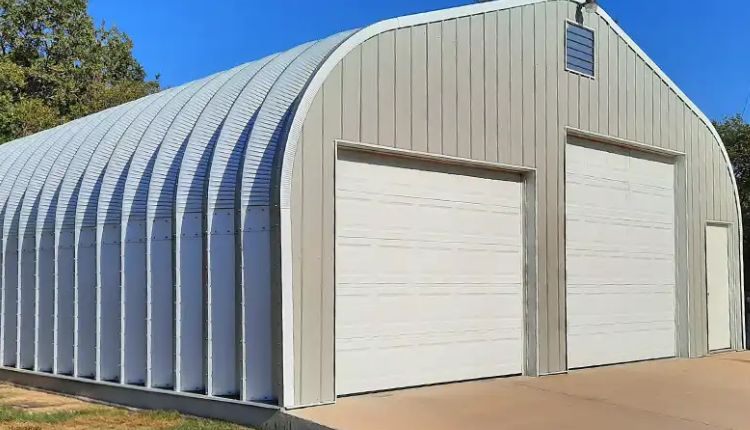
As households grow and lifestyles evolve, many homeowners find themselves needing more than just a single parking space. Multiple vehicles—cars, trucks, motorcycles, RVs, or recreational equipment—require a garage that is not only spacious but also efficient and easy to use. Steel garages have become a leading solution for multi-vehicle storage thanks to their durability, clear-span interiors, and flexible design options. With customizable building systems from companies like US Patriot Steel, homeowners can create a garage tailored specifically to their current needs while allowing room for future expansion.
Designing a steel garage for multiple vehicles requires more than simply increasing square footage. It involves thoughtful planning to ensure accessibility, organization, and long-term usability.
Start With Accurate Vehicle Planning
The first step in designing a multi-vehicle steel garage is understanding exactly what needs to be stored. Vehicle size varies significantly, from compact cars to full-size trucks and RVs. Each type requires different width, height, and maneuvering space.
Instead of designing for minimum fit, plan for comfortable clearance around each vehicle. This includes space to open doors, walk between vehicles, and move tools or equipment. Overlooking these details often leads to cramped layouts that are difficult to use on a daily basis.
Future planning is just as important. If you anticipate adding another vehicle, upgrading to a larger model, or storing recreational equipment, it’s more cost-effective to account for that during the initial design.
Optimize Layout for Easy Access and Movement
A well-designed layout ensures that vehicles can enter, park, and exit without constant repositioning. The most efficient multi-vehicle garages minimize the need to move one vehicle to access another.
Side-by-side parking layouts are typically the most convenient for daily use. For deeper garages, consider adding extra width rather than stacking vehicles front-to-back, which can quickly become inconvenient.
Clear-span steel construction is a major advantage here. Without interior support columns, the entire space remains open and flexible. This allows for wider drive lanes, better turning radius, and easier navigation—especially for larger vehicles like trucks or trailers.
Choose the Right Door Configuration
Garage doors play a critical role in functionality. Each vehicle bay should ideally have its own dedicated access point to avoid congestion and improve convenience.
Common configurations include:
- Multiple roll-up doors for individual vehicle access
- One oversized door for larger vehicles like RVs or trailers
- Combination setups with standard and tall-clearance openings
Door height and width must match the largest vehicle, not the smallest. It’s also important to consider how doors open and whether they interfere with interior space or lighting.
Plan for Proper Height and Vertical Space
Height is often underestimated in garage design. Taller ceilings provide more than just clearance—they improve usability and flexibility.
A higher structure allows for:
- Storage racks above vehicles
- Vehicle lifts for additional parking capacity
- Accommodation for larger vehicles or roof accessories
- Better airflow and ventilation
For multi-vehicle garages, vertical space can be just as valuable as floor space, especially when trying to maximize storage without expanding the building footprint.
Incorporate Smart Storage and Organization
A garage designed for multiple vehicles should also support tools, equipment, and accessories. Without proper organization, even a large space can quickly become cluttered.
Wall-mounted storage, overhead shelving, cabinets, and designated zones help maintain order. Keeping tools and supplies off the floor ensures that vehicle areas remain clear and accessible.
Dividing the garage into functional zones—such as parking, workspace, and storage—creates a more efficient environment and prevents interference between activities.
Consider Lighting, Ventilation, and Utilities
Multi-vehicle garages benefit from proper lighting and airflow. Bright, evenly distributed lighting improves visibility and safety, especially when working around vehicles.
Ventilation is important if the garage will be used for maintenance or if vehicles are frequently started inside. Steel buildings allow for easy integration of vents, fans, and windows to improve air circulation.
Electrical planning is equally important. Adequate outlets, dedicated circuits for tools, and potential EV charging stations should be considered during the design phase to avoid costly upgrades later.
Design for Expansion and Long-Term Use
One of the key advantages of steel construction is expandability. A well-designed garage can grow with your needs.
Leaving space for future bays, planning door placement strategically, and maintaining flexible interior layouts all make expansion easier and more cost-effective. This ensures that the garage remains functional even as your vehicle inventory or storage needs change over time.
Conclusion
Designing a steel garage for multiple vehicles is about more than size—it’s about creating a space that is efficient, accessible, and adaptable. By carefully planning layout, door placement, height, and storage, homeowners can build a garage that supports daily convenience while accommodating future growth. With the strength and flexibility of steel construction, a multi-vehicle garage becomes a long-term solution that adds both functionality and value to the property.