






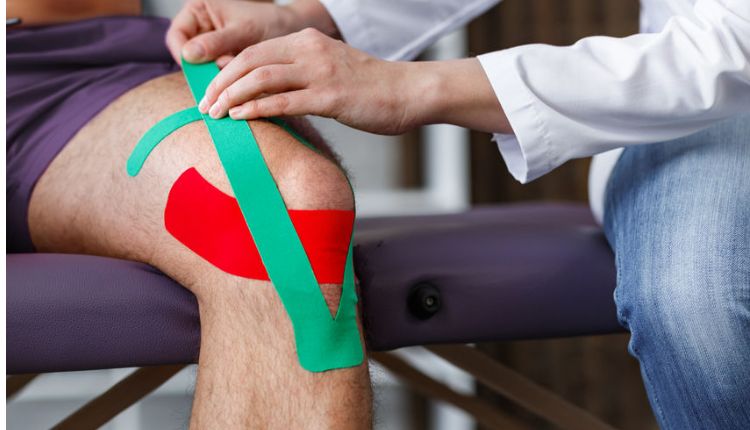
It can be hard to imagine running, jumping, or even jogging again after a knee injury. For many athletes and active individuals, knee cartilage damage feels like a finish line they never planned to reach. The fear of never playing again or losing confidence in the body can weigh heavier than the physical pain itself.
Yet, recovery after such an injury is more hopeful than it used to be. With the right treatment, rehabilitation, and patience, returning to sports is often possible. Modern medical advancements have changed what used to be a career ending condition into one that is often treatable and manageable.
This article explores what recovery truly looks like after a cartilage injury, what can help the healing process, and what athletes can realistically expect. Whether the goal is to get back into competitive play or simply return to an active lifestyle, understanding the process makes a big difference.
Understanding the Injury
Knee cartilage plays a crucial role in smooth, pain free movement. It cushions the bones, absorbs shock, and allows the knee to bend or straighten efficiently. When injured, even minor damage can lead to swelling, stiffness, and pain that limit motion and confidence.
How Cartilage Gets Damaged
Cartilage injuries usually happen during sudden twists, direct impacts, or repetitive strain over time. Athletes in sports like soccer, basketball, or tennis are more vulnerable because of constant jumping and quick changes in direction. Sometimes, an awkward landing or deep squat can cause damage that may not be noticed immediately.
Over time, those small tears can worsen without proper treatment. What starts as mild discomfort during a workout can turn into persistent pain, especially if the person pushes through it. Unfortunately, cartilage does not heal easily because it lacks a direct blood supply, which slows natural repair.
The Emotional Toll of Recovery
Injury does not only affect the body, it also challenges mental resilience. Athletes often describe feeling frustrated or anxious about losing progress or falling behind. These emotions are normal, but they can delay recovery if ignored.
A supportive environment and clear communication with a doctor or physiotherapist can help manage these concerns. Understanding that recovery is rarely a straight line can reduce frustration. Each stage, no matter how small, represents meaningful progress.
Treatment and Healing Choices
For many, a cartilage repair procedure becomes necessary when conservative treatments are no longer effective. It involves restoring or regenerating the damaged cartilage using techniques like microfracture, cell based repair, or tissue grafts. Each method aims to rebuild a smoother joint surface that allows the knee to function as close to normal as possible.
However, surgery is only one step. Rehabilitation afterward is what largely determines the outcome. Strength training, flexibility exercises, and gradual reloading of movement are essential to help the new tissue mature and integrate with the joint. Skipping or speeding through rehab often leads to setbacks or increased risk of reinjury.
The Road Back to Sports
Returning to sports after a cartilage injury is not a race, even for professional athletes. It demands patience, consistency, and trust in the process. Knowing what to expect during each stage helps manage both physical and emotional recovery.
Building Strength and Stability
The first goal after surgery or injury is to restore knee strength and stability. Muscles around the joint act like natural braces that support and protect the knee. Early rehabilitation often focuses on gentle movements and controlled weight bearing activities to regain control and prevent stiffness.
As recovery progresses, exercises shift toward strengthening the quadriceps, hamstrings, and gluteal muscles. Low impact options like swimming, cycling, or using an elliptical machine allow conditioning with reduced stress on the joint. These steps lay the foundation for later phases of athletic training.
Regaining Confidence in Movement
Confidence can take longer to return than strength. Many athletes describe hesitating during quick movements or feeling afraid to twist or pivot again. This hesitation is natural, but sports physiotherapists help rebuild mental assurance through guided drills and sport specific exercises.
Gradual exposure is key. Starting with slower movements and carefully increasing intensity trains both the body and mind to trust the knee again. These small wins add up until running, jumping, or changing direction feels instinctive rather than worrisome.
Preparing for the Return
Before returning to full sports participation, doctors usually evaluate progress using strength tests, imaging scans, or motion assessments. The goal is to ensure the cartilage and surrounding structures can tolerate physical stress safely.
Some athletes return after six months, while others may need up to a year depending on injury severity and individual recovery rates. Pushing too quickly risks damaging the repaired area, but waiting too long can affect overall conditioning. The key is striking a balance guided by professional advice.
Maintaining Knee Health Moving Forward
Once an athlete returns to play, protecting the knee becomes an ongoing responsibility. Preventing reinjury requires mindful habits that support long term joint health.
Consistent Conditioning
Even after full recovery, regular conditioning helps maintain muscle balance around the knee. Weak muscles can throw off alignment and increase pressure on the repaired area. Ongoing flexibility and balance training also keep the joint stable during high intensity movements.
Warm ups and cooldowns should never be skipped. They may seem simple, but they prepare tissues for demand and protect against sudden strain. Routine check ins with a physiotherapist can identify minor issues early before they turn serious again.
Listening to the Body
Pain is the body’s way of signaling that something needs attention. A slight ache after training might be normal, but lingering swelling, instability, or sharp discomfort should never be ignored. Recognizing these signs early can prevent another injury cycle.
Athletes who learn to listen to their bodies often maintain longer and healthier activity levels. Resting when necessary is not a setback but a smart recovery strategy. The ability to pause, adjust, and return stronger defines long term success in any sport.
Moving Forward with Confidence
Returning to sports after a knee cartilage injury is a journey filled with both challenges and victories. The process teaches discipline, resilience, and respect for the body’s limits. Modern treatments and proper rehabilitation make it possible for many athletes to return to their previous level of activity, and sometimes even stronger than before.
Every recovery story is unique. With the right guidance and consistent care, what once seemed impossible can transform into a remarkable comeback. For anyone struggling with uncertainty, remember that patience and perseverance often lead you back to the field, the court, or the track where it all began.