






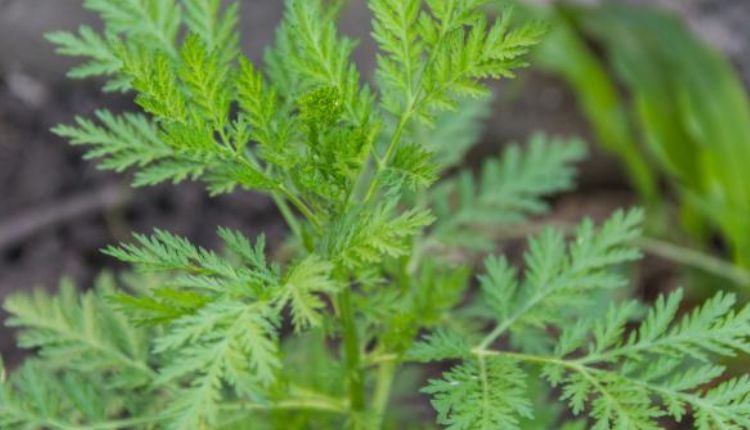
Belonging to the daisy family, this plant has various species, including Artemisa planta absinthium (wormwood) and Artemisia vulgaris (mugwort), which are widely used in traditional medicine, culinary applications, and even spiritual practices. In this article, we’ll explore the plant’s properties, health benefits, growing methods, and much more.
Overview of Artemisa planta
The Artemisa planta is a perennial herb native to Europe, Asia, and North America. It is characterised by silvery green leaves, a strong fragrance, and small yellow or white flowers. The plant is hardy and can thrive in a variety of climates, making it popular for home gardens and commercial cultivation.
Key features of Artemisia:
- Silvery green leaves with a soft, feathery texture.
- An aromatic fragrance used in teas, oils, and incense.
- Small clusters of yellow or white flowers during flowering.
- Tolerates dry soil and low-maintenance conditions.
Artemisia is not only visually appealing but also historically significant. Ancient civilisations such as the Egyptians, Greeks, and Romans used it for medicinal purposes. The plant is also associated with traditional rituals, especially in Europe and Asia, where it was believed to ward off evil spirits and bring protection.
Different species of Artemisia serve different purposes. Artemisia absinthium is known for its use in the alcoholic beverage absinthe, while Artemisia vulgaris is commonly used in teas and herbal remedies. Understanding the species you are working with is important for safe and effective use.
Medicinal benefits
The Artemisa planta is known for its healing properties. Traditional medicine often uses its leaves, stems and flowers to treat various health problems. Some science-backed benefits include:
- Digestive Support: Helps relieve bloating, indigestion, and gas.
- Anti-inflammatory: Reduces swelling and promotes joint health.
- Antimicrobial: Works against bacteria, fungi and parasites.
- Menstruation Support: Relieves menstrual pain and regulates cycles.
Other potential benefits:
- Supports liver health.
- It strengthens the immune system.
- It acts as a mild sedative and helps with insomnia.
It is important to note that while Artemisia has many benefits, excessive consumption can lead to side effects such as nausea or dizziness. Pregnant women, children, and people with liver disorders should consult a healthcare practitioner before use.
Culinary use
Artemisa planta is also a versatile herb in the culinary world. Its aromatic leaves are used in small quantities to enhance the flavour of dishes, teas, and alcoholic beverages.
Common Culinary Uses:
- Teas: Artemisia tea is known for its digestive and soothing effects.
- Cooking: The leaves can be used to flavour soups, stew,s and sauces.
- Alcohol: Artemisia absinthium is a key ingredient in absinthe and vermouth.
- Seasoning: The dried leaves can be crushed and added to meat or vegetable dishes.
The taste is typically bitter, so moderation is important. Some species are tastier than others. Artemisia can also be used in herbal blends with mint, chamomile or rosemary to create unique aromatic teas.
Cultivation of Artemisa planta
Growing Artemisa planta in your garden is relatively easy due to its hardiness and adaptability. Here’s a simple tutorial:
Steps for Cultivation:
- Choose a sunny site: Artemisia thrives in full sun but tolerates partial shade.
- Soil Requirements: Well-drained soil is essential to prevent root rot.
- Planting: Seeds or cuttings can be planted in early spring.
- Watering: Moderate watering; the plant is drought-tolerant once established.
- Pruning: Trim leaves regularly to maintain shape and encourage growth.
Artemisia is a low-maintenance herb that grows well in pots or in garden beds. Its silvery foliage also makes it a beautiful ornamental plant. Companion planting of lavender or rosemary can help repel pests and improve the aesthetics of the garden.
Resistance to pests and diseases
One of the reasons why Artemisa planta is so popular in gardens is its natural resistance to pests and diseases.
Benefits include:
- It naturally repels insects such as mosquitoes and flies.
- Resistant to most fungal infections thanks to aromatic oils.
- Rarely affected by root rot if planted in well-drained soil.
Despite this resistance, overwatering or poor soil can cause fungal problems. Regular pruning and ensuring good air circulation around the plant helps to maintain its health. In addition, the use of organic mulch can further protect the roots from moisture fluctuations.
Essential oils
Artemisa planta is valued for its essential oils, which have therapeutic, aromatic and industrial uses.
Benefits of Artemisia essential oil:
- Aromatherapy: Helps reduce stress, anxiety and mental fatigue.
- Topical application: May relieve muscle pain, skin irritation and inflammation.
- Insect repellent: A natural alternative to chemical repellents.
- Industrial Uses: Incorporated into perfumes, cosmetics and soaps.
Extraction is usually done by steam distillation of the leaves and flowers. Due to their effectiveness, essential oils should always be diluted with carrier oils before topical use.
Spiritual and cultural significance
In addition to its medicinal and culinary uses, Artemisia has deep spiritual and cultural significance.
Uses in traditions:
- It was believed to ward off evil spirits and negative energy.
- It is used in blurring rituals to cleanse spaces.
- Associated with healing and protection in various cultures.
- Considered sacred in some Native American ceremonies.
Historically, Artemisa planta has been associated with divination, dream enhancement and protective charms. Even today, it is sometimes used in modern spiritual practices and holistic therapies.
Safety and Security Precautions
While Artemisa planta has many benefits, it must be used with caution.
Safety measures:
- Avoid excessive consumption due to risk of toxicity.
- Pregnant or breastfeeding women should consult a doctor.
- Some species, especially wormwood, can interact with medications.
- Children should not consume Artemisia tea or essential oils.
Always ensure proper identification of the Artemisia species before use. Misidentification can lead to the consumption of a plant with a higher level of toxicity.
Conclusion
The Artemisa planta is a powerful and versatile herb with a rich history. From its medicinal benefits and culinary uses to its spiritual significance, it remains a valuable addition to gardens and homes around the world.
Its ease of growth, pest resistance and aromatic properties make it both practical and decorative. Although the plant offers many benefits, it must be used carefully to avoid side effects. Incorporating Artemisia into daily life can improve health, enhance flavor in cooking, and promote spiritual well-being.
Frequently asked questions
- What is the Artemisia plant used for?
Artemisa planta is used for medicinal purposes, culinary aroma, essential oils and spiritual rituals.
- Can I grow Artemisia at home?
Yes, it grows well in sunny, well-drained soil and requires minimal maintenance.
- Is Artemisia safe to consume?
Moderate use is generally safe, but certain species like wormwood can be toxic in large amounts.
- How is Artemisia essential oil used?
It’s used in aromatherapy, topical applications, and as a natural insect repellent.
- Which Artemisia species is best for tea?
Artemisia vulgaris (mugwort) is commonly used for teas and herbal remedies.
- Does Artemisia repel insects?
Yes, its aromatic oils naturally repel mosquitoes and other insects.
- Can Artemisia help with digestion?
Yes, it is known to relieve bloating, indigestion, and gas.
- How should I store Artemisia?
Dried leaves should be stored in an airtight container away from sunlight to preserve flavor and potency.