






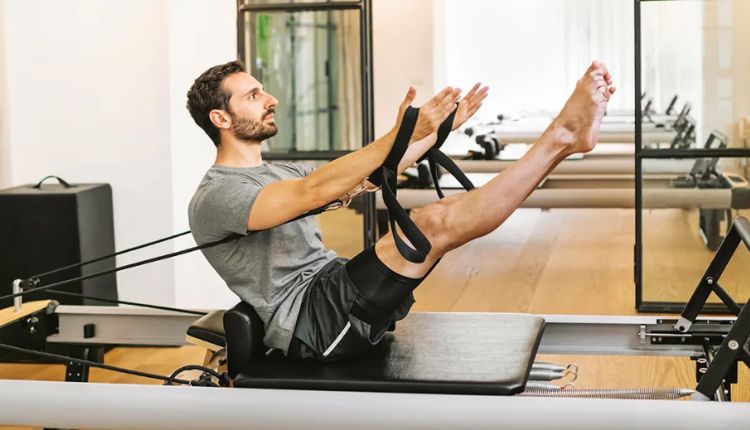
Pilates has been around for decades, but the way people practice it has changed a lot. What was once seen as niche or rehab-focused has evolved into a full-body fitness method used by athletes, professionals, and everyday movers alike. BE Fit modern Pilates reflects that shift, blending traditional Pilates principles with updated equipment, training methods, and a more accessible approach to movement.
This article looks at what modern Pilates really is, how it differs from classical Pilates, and why studios like BE Fit modern Pilates appeal to people looking for strength, control, and long-term fitness.
What Modern Pilates Means Today
At its core, Pilates is about controlled movement, alignment, and breath. Modern Pilates keeps those foundations but adapts them to current lifestyles and fitness needs.
Modern Pilates often incorporates updated reformers, resistance-based equipment, and dynamic sequencing. Movements may feel more athletic, with a greater focus on functional strength, mobility, and injury prevention.
Rather than following a rigid system, modern Pilates is flexible. It meets people where they are, whether they are beginners, recovering from injury, or looking to challenge their existing fitness routine.
How BE Fit Modern Pilates Fits Into This Approach
BE Fit modern Pilates represents this updated mindset. Instead of focusing only on strict form or one-size-fits-all routines, the emphasis is on intelligent movement that supports real bodies and real goals.
Classes are typically designed to build strength evenly, improve posture, and increase body awareness. The approach values progress over perfection and encourages consistency rather than intensity alone.
This balance makes modern Pilates approachable for newcomers while still offering enough challenge for experienced clients.
The Difference Between Classical and Modern Pilates
Classical Pilates follows a structured system created by Joseph Pilates in the early 20th century. It uses a fixed sequence of exercises performed in a specific order, often with an emphasis on precision and discipline. This approach can be highly effective for building strength, control, and body awareness. However, because the sequences are consistent and the expectations can be strict, some people find classical Pilates intimidating, especially if they are new to exercise or dealing with physical limitations.
Modern Pilates builds on the same core principles, such as controlled movement, proper alignment, and breath, but applies them in a more flexible way. Instead of following one set routine, modern Pilates adapts exercises based on biomechanics, current movement research, and real-world body mechanics. This allows instructors to tailor sessions to different fitness levels, body types, and goals.
One of the biggest advantages of modern Pilates is its focus on individual needs. Exercises are often modified to accommodate injuries, mobility restrictions, or varying strength levels. Progressions are introduced gradually, helping clients build confidence and reduce the risk of strain or injury.
In a modern Pilates setting, modifications are not seen as shortcuts. They are encouraged as a smart way to support long-term progress. This inclusive approach makes Pilates more accessible, sustainable, and effective for a wider range of people, especially those looking for strength and stability without unnecessary pressure or rigidity.
Strength Without Bulk
One of the biggest draws of modern Pilates is how it builds strength. Movements focus on deep stabilizing muscles rather than isolating single muscle groups.
This creates a strong, balanced body without excessive bulk. Core strength, in particular, is a major focus, but it extends beyond visible abs. Pilates trains the muscles that support the spine, hips, and shoulders, which improves overall movement quality.
At BE Fit modern Pilates, strength is developed through control and resistance, not speed or heavy loading.
Improved Posture and Alignment
Poor posture is a common issue, especially for people who spend long hours sitting or working at a desk. Modern Pilates addresses this directly.
Exercises are designed to strengthen postural muscles and improve alignment. Over time, clients often notice reduced tension in the neck and shoulders, better balance, and improved body awareness.
Rather than forcing posture changes, Pilates teaches the body how to support itself more efficiently.
Low Impact, High Results
Modern Pilates is known for being gentle on the joints while still delivering noticeable results. Movements are controlled and precise, reducing strain and lowering the risk of injury.
This makes it appealing to a wide range of people, including those recovering from injuries or dealing with chronic discomfort. At the same time, classes can be made more challenging through resistance, tempo, and range of motion.
The result is a workout that feels sustainable rather than exhausting.
The Role of Equipment in Modern Pilates
Equipment plays a much bigger role in modern Pilates than many people expect, especially for those who are new to the practice. While mat work is still valuable, modern Pilates relies heavily on specialized equipment to create a more adaptable and effective workout experience. Reformers, towers, chairs, and smaller props allow exercises to be adjusted for different strength levels, mobility needs, and fitness goals.
One of the main benefits of Pilates equipment is the use of springs for resistance. Unlike free weights, springs provide smooth, consistent resistance throughout an entire movement. This helps muscles work evenly from start to finish rather than relying on momentum. Springs also make it easier to scale exercises up or down, adding challenge without sacrificing control or form.
Equipment also provides valuable feedback. The way a reformer moves, or how tension feels through the springs, can highlight imbalances or misalignment in real time. This helps clients better understand how their body is moving and where adjustments are needed. Over time, this awareness leads to improved coordination, posture, and movement efficiency.
Another advantage is support. Equipment can assist certain movements, making exercises more accessible for beginners or those recovering from injury. At the same time, it can increase challenge for more advanced clients by adding instability or resistance. This versatility allows multiple levels to train effectively within the same class structure.
Studios like BE Fit modern Pilates use equipment with intention. It is not there for novelty or complexity, but to enhance movement quality and results. When used properly, Pilates equipment supports safer progression, deeper strength development, and a more personalized fitness experience.
Mind-Body Connection
While modern Pilates feels more athletic than traditional mat classes, the mind-body connection is still central. Breath, focus, and awareness are built into every session.
This aspect often surprises people who come from high-intensity workouts. Pilates encourages slowing down enough to move well, which can be both physically and mentally refreshing.
Many clients report leaving class feeling energized rather than drained.
Who Modern Pilates Is For
Modern Pilates is adaptable, which makes it suitable for many people. Beginners benefit from the structured guidance and low-impact nature. Athletes use it to improve mobility, stability, and performance.
People dealing with back pain, joint issues, or postural problems often find Pilates helpful when practiced under professional instruction.
BE Fit modern Pilates is designed to support a wide range of fitness levels without creating pressure to look or move a certain way.
Consistency Over Intensity
One of the biggest advantages of modern Pilates is how it supports long-term consistency. Because classes focus on controlled effort rather than burnout, people are more likely to stick with it.
Progress in Pilates is gradual but meaningful. Increased strength, better movement patterns, and improved awareness tend to build over time.
This steady approach aligns well with people looking for lasting results rather than quick fixes.
How Modern Pilates Fits Into a Balanced Fitness Routine
Modern Pilates works well on its own, but it also complements other forms of exercise. Many people pair Pilates with strength training, running, or recreational sports.
Pilates helps balance out repetitive or high-impact activities by improving mobility and reducing muscle imbalances. This often leads to better performance and fewer injuries in other workouts.
BE Fit modern Pilates fits easily into a well-rounded fitness lifestyle.
What to Expect in a Class
A typical modern Pilates class is structured but approachable, designed to help clients move with intention rather than rush through exercises. Classes usually begin with a warm-up that focuses on breathing, gentle mobility, and activating key muscle groups. This prepares the body for movement and helps clients settle into the session, both physically and mentally.
The main portion of the class centers on focused strength work. Exercises target the core, hips, glutes, back, and shoulders, often using equipment like the reformer or props for added resistance and support. Movements are slow and controlled, emphasizing alignment, stability, and coordination. Instructors guide each exercise with clear cues and offer modifications or progressions so everyone can work at a level that feels appropriate.
Classes typically end with a cool-down, which may include stretching, mobility work, or lighter movements to release tension. This helps the body recover and reinforces good movement patterns before clients leave the studio.
Modern Pilates classes are often kept small, allowing instructors to give individual attention. This creates a supportive environment where questions are welcome and proper form is prioritized over speed or intensity. Corrections are offered thoughtfully, helping clients move safely and effectively.
As clients attend classes regularly, movements start to feel more natural. Strength improves, coordination increases, and confidence grows. Over time, many people notice not only physical changes, but a better understanding of how their bodies move and what they need to feel strong and balanced.
Final Thoughts
Modern Pilates is not about chasing trends or extreme results. It is about moving with purpose, building strength intelligently, and supporting the body over time.
BE Fit modern Pilates reflects this approach by offering a balanced, thoughtful way to train. It combines the principles that made Pilates effective in the first place with modern insight and accessibility.
For people looking for a workout that feels challenging but sustainable, structured but flexible, modern Pilates offers a clear and practical path forward.