






Finding the ideal upper dentures can dramatically improve your quality of life by restoring function and boosting your self-confidence. Whether you are exploring your first set or upgrading an older one, understanding the available options in modern false teeth technology is essential for a better-fitting, more natural smile. New dental technologies now make it easier than ever to tailor denture solutions to your specific needs, providing improved aesthetics and daily comfort.
Upper dentures today include more advanced styles, materials, and support systems than in the past. Consulting with a dental professional can help you decide which types best align with your lifestyle and oral health requirements. Comfort, durability, and aesthetics all play essential roles when selecting the right solution for your smile.
Understanding the benefits and potential limitations of each upper denture option allows you to make an informed decision. Cost, care, customization, and long-term maintenance should all factor into your planning.lt.
Types of Upper Dentures
Upper dentures come in a variety of styles, designed to meet different oral health needs and preferences:
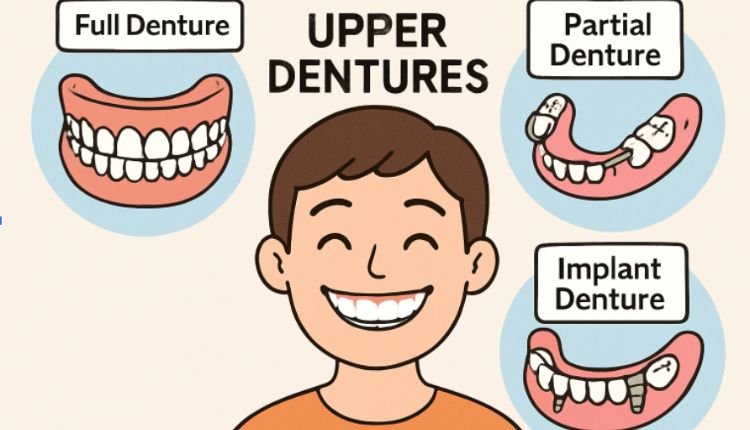
- Complete Upper Dentures: Designed for individuals who have lost all their upper teeth. Complete dentures rest securely on the gums and provide a full dental arch replacement.
- Partial Upper Dentures: If you have some healthy teeth remaining, partial dentures fill the gaps and prevent neighboring teeth from shifting into empty spaces, thus maintaining alignment.
- Flexible Dentures: Made from softer, more pliable materials, these dentures hug the tissues more closely, providing extra comfort and reducing the risk of irritation, especially for those with sensitive gums.
Materials Used in Dentures
The material chosen for your dentures will affect their comfort, appearance, and lifespan:
- Acrylic Resin: Lightweight, cost-effective, and easy to adjust, acrylic is the most common choice for denture bases.
- Porcelain: Known for its natural appearance and strength, porcelain is preferred for its aesthetic, but it can be heavier and more susceptible to chipping if dropped.
- Flexible Polymers: These newer materials offer enhanced comfort, flexibility, and suitability for those prone to gum irritation or allergies to traditional plastics.
Customization and Fit
With digital dentistry, customization has advanced, enabling high precision in crafting upper dentures. At Advanced Smiles Marion, digital scans and 3D printing are used to achieve precise fitting, reducing discomfort and the need for repeated adjustments. Modern shading technologies enable dental professionals to match the color and translucency of the dentures to your natural teeth and gums, achieving a lifelike appearance.
A proper fit is not only essential for comfort but also for functionality and oral health. Poorly fitted dentures can cause sores, increase bone loss, and negatively affect speech. By using modern, digitally guided processes, Advanced Smiles Marion helps minimize these risks and deliver greater patient satisfaction.
Implant-Supported Dentures
For those seeking a highly stable and secure solution, implant-supported dentures offer a significant upgrade. These dentures are anchored directly to dental implants surgically inserted into the jawbone. This attachment system prevents slippage and provides a more natural bite force, restoring up to 30% more chewing efficiency than conventional models. According to the Mayo Clinic, dental implants also help preserve jawbone structure, supporting long-term oral health.
Caring for Your Dentures
To keep dentures performing at their best and to maintain oral hygiene, proper care is crucial:
- Brush your dentures daily with a soft-bristled brush and non-abrasive cleanser to remove food particles and plaque.
- Soak dentures overnight in a suitable denture-cleaning solution to retain their shape and prevent bacterial buildup.
- Attend regular dental check-ups. Your dentist will assess the fit, check for signs of wear, and screen your mouth for oral health issues.
Good hygiene and routine check-ups can prolong the lifespan of your upper dentures and help prevent common complications such as infections and gum disease.
Common Challenges and Solutions
Adjusting to new dentures is usually a process that can involve initial discomfort or minor speech challenges. For the first week, limiting your diet to softer foods and practicing speaking aloud can help your mouth adapt faster. Persistent trouble, sore spots, or loose-fitting dentures should always be addressed with your dental provider, who can make needed adjustments for a more comfortable fit. If you experience significant or ongoing issues, it is best to contact your provider promptly to avoid further complications.
Cost Considerations
The price of upper dentures varies considerably, depending on the style, materials used, level of customization, and whether you choose a traditional or implant-supported model. While basic removable dentures are generally less expensive, implant-supported solutions carry higher upfront costs but often provide greater long-term value through durability and improved comfort. Many dental practices, including some in Marion, offer transparent pricing and can guide you through insurance or financing options to fit your needs and budget.
Final Thoughts
Selecting the most suitable upper dentures is a multifaceted decision that involves understanding your options, including the types and materials, daily care, and budget. Thanks to innovations in dental technology and personalized service, achieving a confident and comfortable smile is more accessible today than ever. With expert advice and the right guidance, you can find a solution that matches your needs and lifestyle for years of healthy smiles.