






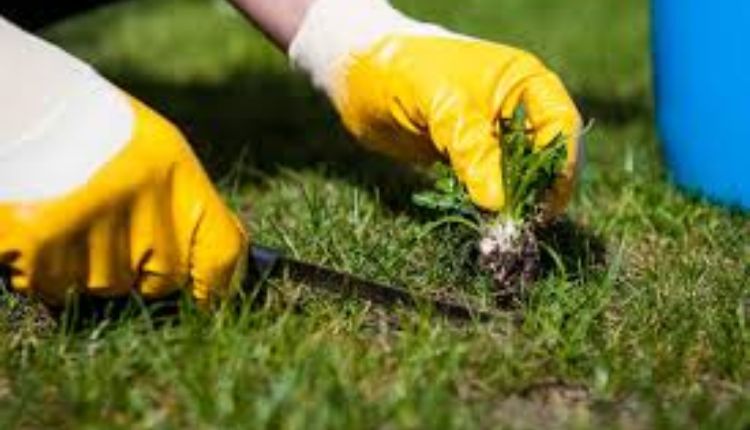
Sustainable lawn results depend on recognizing that visible problems usually point to deeper imbalances rather than isolated failures. Effective Weed Control Atlanta professionals emphasize that weeds are symptoms, not the disease, they take hold when turf density, mowing height, soil health, and irrigation timing are out of sync. Addressing those fundamentals reduces weed pressure season after season instead of relying on repeated spot fixes. This article outlines practical, science-backed strategies busy owners and managers can apply to rebuild those defenses through consistent routines and informed choices.
Understanding Common Lawn Weeds And Their Life Cycles
Weeds fall into three broad botanical groups: annuals, biennials, and perennials. Knowing which group a troublesome plant belongs to helps determine the most effective controls.
- Annuals (e.g., crabgrass, chickweed): Complete their life cycle in one growing season and reproduce by seed. Preventing seed production and using timely pre-emergent treatments are key.
- Biennials (e.g., bull thistle): Take two years to complete a cycle, usually forming a rosette year one and flowering year two, so removing them before seed set prevents future infestations.
- Perennials (e.g., dandelion, clover): Regrow season after season from roots, creeping stems, or tapped crowns. These require systemic approaches and persistent removal.
Life cycle examples with implications:
- Crabgrass: A warm-season annual that germinates when soil temperatures reach about 55–60°F in spring. A pre-emergent applied just before germination can block establishment for months.
- Dandelion: A perennial with a deep taproot. Pulling often leaves root fragments that resprout: systemic herbicides or careful, deep hand-pulling are more effective.
- Clover: Fixes nitrogen and often signals compacted, low-nitrogen soils or thin turf. Improving turf density and soil conditions usually reduces clover pressure.
By matching control methods to life cycles, turf managers avoid wasted effort. For busy owners, the priority is a small number of well-timed actions each year rather than constant patchwork treatments.
Key Preventive Lawn Care Practices That Reduce Weed Pressure
Prevention is the most cost-effective way to control weeds. A healthy, dense turf crowds out weeds, reduces seedbed availability, and lowers the need for chemical controls.
Core cultural practices:
- Mowing Height: Maintain cool-season grasses at 3–3.5 inches and warm-season grasses at 1.5–2.5 inches. Taller grass shades soil, reducing weed germination.
- Mowing Frequency: Remove no more than one-third of the leaf blade per mowing to avoid stress. Regular clipping encourages lateral growth and denser turf.
- Fertility: Apply fertilizer based on soil test results. Over-fertilizing weakens root systems: under-fertilizing thins turf and invites weeds. A soil test every 2–3 years keeps nutrient strategy targeted.
- Irrigation: Deep, infrequent watering (about 1–1.25 inches per week) promotes deep roots. Shallow, frequent watering favors shallow-rooted weeds.
- Overseeding: Thin lawns should be overseeded with appropriate cultivars in fall (cool-season) or late spring (warm-season) to improve density and resistance to weeds.
- Aeration: Core aeration alleviates compaction, improves root zone oxygen, and enhances seed-to-soil contact for overseeding.
Practical scheduling tip: Create a simple calendar with four seasonal checkpoints, early spring, late spring/early summer, late summer, and fall. At each checkpoint, note one or two preventive actions (e.g., apply pre-emergent in spring, overseed in fall). This keeps preventive care manageable for entrepreneurs and agencies that run on tight schedules.
Targeted Weed Control Methods
When prevention isn’t enough, targeted control methods address existing infestations with minimal collateral damage. The next two subsections cover herbicide selection and best application practices.
Herbicide Types And When To Use Them
Herbicides fall into categories that matter for safety and effectiveness: selective vs. non-selective, pre-emergent vs. post-emergent, and systemic vs. contact.
- Selective vs. Non-Selective:
- Selective herbicides target specific plant groups (broadleaf weeds vs. grasses) and leave turf intact when used correctly. They’re the go-to for broadleaf weeds like dandelion and clover.
- Non-selective herbicides (e.g., glyphosate) kill most plants they contact and are best reserved for spot treatments where turf removal is planned.
- Pre-emergent vs. Post-emergent:
- Pre-emergents prevent seed germination and are vital for annual grasses like crabgrass. Timing is critical: late application can be ineffective.
- Post-emergents treat visible weeds and can be selective or non-selective.
- Systemic vs. Contact:
- Systemic herbicides translocate through a plant, reaching roots, best for perennials with extensive root systems.
- Contact herbicides kill tissue they touch and work quickly but may not prevent regrowth from roots.
Choosing the right product depends on the weed species, turf type, and season. For busy owners, an annual plan with two targeted herbicide windows (spring pre-emergent and late-summer/fall post-emergent for perennials) covers most scenarios without constant monitoring.
Application Timing And Techniques For Best Results
Timing and technique determine whether a treatment succeeds or wastes time and money.
Timing: Match product labels with local climate cues. For example:
- Pre-emergents: Apply before soil temperatures consistently hit the germination threshold (often measured with a soil thermometer or by local extension calendar signals).
- Post-emergents: Treat actively growing weeds when they are small and stress-free (not during drought or heat spikes).
Technique:
- Calibration: Calibrate sprayers to deliver the correct rate. Over-application burns turf: under-application fails to control weeds.
- Weather: Avoid applications before heavy rain or in windy conditions. Wind leads to drift: rain can wash off freshly applied products.
- Spot Treatment: Use non-selective products only for isolated problem areas. For widespread infestations, consider turf renovation.
Recordkeeping: Log dates, products, rates, and weather conditions. A little note-taking saves repeat work and helps professionals justify treatments if regulators or clients ask.
Seasonal And Regional Considerations
Weed control is season- and region-specific. Expectations and tactics differ between cool-season and warm-season regions.
- Cool-Season Regions (Northeast, Pacific Northwest, upper Midwest): Focus on fall recovery and spring pre-emergent timing. Overseed in fall for best establishment and use post-emergent treatments in spring and fall when weeds are actively growing.
- Warm-Season Regions (Southeast, Southwest): Peak turf activity is late spring through summer. Spring pre-emergents and summer management of warm-season annuals are priorities. Fall herbicide windows are narrower because warm-season grasses enter dormancy.
Altitude and microclimates matter too. Urban “heat islands” often see earlier weed germination than surrounding rural areas. Local extension services provide region-specific calendars: subscribing to an extension newsletter or storing a regional cheat-sheet reduces guesswork for busy operators.
Cost considerations: In areas with long growing seasons, proactive cultural care (frequent overseeding, seasonal aeration) may cost more upfront but reduces recurring herbicide spend. For businesses that value predictable budgets, this trade-off often favors preventive investment.
Creating A Simple, Repeatable Maintenance Plan For Busy Owners
A repeatable plan transforms weed control from a hobbyist’s scramble into a predictable system. Busy owners need a compact checklist they can follow or delegate.
Quarterly checklist (example):
- Early Spring:
- Soil test if due
- Apply pre-emergent (timed to local germination cues)
- Inspect for winter damage: plan overseeding where needed
- Late Spring/Early Summer:
- Mow to recommended height: increase irrigation depth
- Spot-treat visible weeds with post-emergent selective herbicides
- Record treatments and results
- Late Summer:
- Aerate compacted areas
- Treat perennial weeds that have resumed growth
- Prepare seedbed for fall overseeding if turf is thin
- Fall:
- Overseed and fertilize according to turf type
- Apply broadleaf post-emergent to reduce next season’s seed bank
- Final inspection and planning notes for next year
Delegation tip: Create a two-page SOP (standard operating procedure) with the checklist, product inventory, and names of trusted suppliers or contractors.
Safety, Environmental, And Legal Best Practices
Responsible weed control protects people, pets, neighbors, and the environment. Noncompliance risks fines and reputational damage, especially for businesses that maintain multiple properties.
Key best practices:
- Read and follow labels: Product labels are legal documents. They contain rates, buffer requirements, re-entry intervals, and disposal instructions.
- Keep records: Log purchase receipts, application dates, and weather conditions. These records help with liability issues and support insurance or client queries.
- Minimize drift and runoff: Use low-drift nozzles, avoid spraying during inversions, and maintain setbacks from waterways. Consider granular products where appropriate.
- PPE and training: Anyone applying herbicides should use recommended personal protective equipment and receive basic training in safe handling and emergency procedures.
- Consider integrated pest management (IPM): Combine cultural, mechanical, and chemical methods to minimize chemical use. IPM aligns with sustainability goals and often appeals to clients who value green practices.
Legal notes: Municipal ordinances increasingly regulate certain herbicides and application methods. Before implementing a plan across client properties, verify local rules and update SOPs accordingly.
Conclusion
Effective weed control for long-lasting lawn care is not a one-off project: it’s a system. By understanding weed life cycles, prioritizing preventive cultural practices, using targeted herbicides when necessary, and following safety and legal guidelines, busy owners can create predictable, low-maintenance routines. Small investments in timing, recordkeeping, and seasonal checkpoints pay off with thicker turf, fewer treatments, and lower long-term costs.
A lawn managed this way rewards with fewer headaches and more consistent performance year after year.