






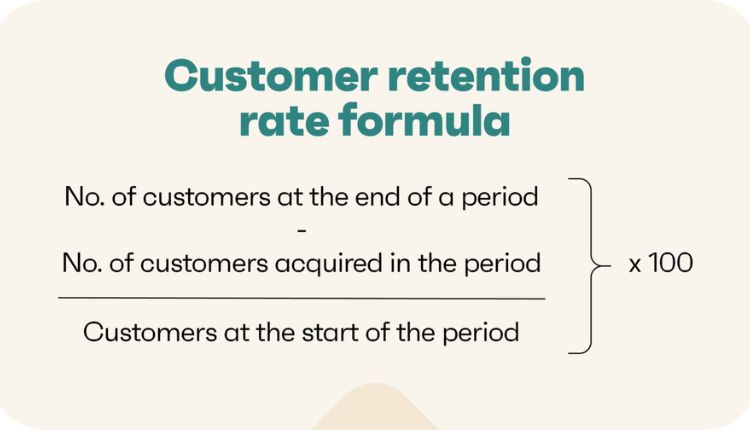
In today’s competitive digital landscape, attracting new customers is important, but keeping them is what truly drives sustainable growth. Businesses that focus on long-term relationships rather than one-time transactions consistently outperform their competitors. This is where customer retention becomes a strategic priority.
At the same time, brands need reliable communication channels to nurture those relationships. Social media algorithms change, paid ads become more expensive, and organic reach fluctuates. Email marketing, however, remains one of the most stable and effective tools for staying connected with your audience.
When combined strategically, email marketing and customer retention create a powerful growth engine. Through personalized messaging, automation, and data-driven campaigns, businesses can build trust, increase repeat purchases, and strengthen brand loyalty over time.
Why Customer Retention Is More Profitable Than Acquisition
Acquiring new customers often costs significantly more than retaining existing ones. Paid advertising, influencer collaborations, SEO efforts, and promotional discounts all require continuous investment.
In contrast, retained customers are more likely to purchase again, spend more per transaction, and refer others to your brand. This directly increases Customer Lifetime Value (CLV), which is one of the most important profitability metrics for any business.
Returning customers also require less persuasion. They already trust your brand, understand your products, and are familiar with your service quality. This shortens the decision-making process and reduces marketing costs.
By prioritizing retention, businesses create predictable revenue streams, reduce churn, and build a loyal customer base that supports long-term scalability.
Why Email Marketing Is Essential for Customer Retention
Email marketing plays a critical role in retention because it offers direct access to your audience. Unlike social media, you are not competing with constantly shifting algorithms. Emails land directly in your customers’ inboxes, creating consistent touchpoints.
Another major advantage is personalization. Modern email platforms allow brands to segment audiences based on behavior, purchase history, interests, and engagement levels. This enables highly targeted messaging that feels relevant rather than generic.
Automation further strengthens retention efforts. Scheduled workflows ensure that customers receive timely communication, whether it’s a welcome email, a product recommendation, or a reminder.
Finally, email marketing is measurable. Open rates, click-through rates, and conversion data provide clear insights into what works and what needs improvement. This makes optimization continuous and strategic.
Key Email Marketing Strategies That Improve Customer Retention
1. Welcome & Onboarding Sequences
First impressions matter. A strong welcome sequence sets the tone for the relationship.
New subscribers and customers should receive a series of emails introducing your brand values, highlighting benefits, and guiding them on what to expect next. Educational content, tutorials, or FAQs can reduce confusion and increase satisfaction early on.
An effective onboarding sequence builds trust quickly and encourages repeat engagement from the start.
2. Personalization & Segmentation
Generic mass emails rarely drive loyalty. Customers expect relevant content tailored to their interests.
Segmentation allows you to divide your audience into meaningful groups such as first-time buyers, frequent shoppers, inactive subscribers, or high-value customers. You can then create campaigns that directly address each segment’s needs.
Behavior-based emails, such as product recommendations based on past purchases, significantly increase engagement and conversions. Personalization strengthens emotional connection, which is crucial for retention.
3. Post-Purchase Follow-Ups
The relationship shouldn’t end after a sale. In fact, this is when retention efforts truly begin.
Post-purchase emails can include thank-you messages, shipping updates, product care instructions, and tips for maximizing value. This reassures customers and improves their overall experience.
You can also introduce complementary products or services in a helpful way, rather than a pushy one. When customers feel supported after their purchase, they are more likely to return.
4. Loyalty & Rewards Campaigns
Rewarding repeat customers reinforces positive behavior. Loyalty campaigns can include exclusive discounts, early access to new products, VIP perks, or referral bonuses.
Email marketing makes it easy to promote and manage loyalty programs. Personalized reward updates, milestone celebrations, and limited-time offers help customers feel valued.
When customers feel appreciated, they develop stronger brand attachment and are less likely to switch to competitors.
5. Re-Engagement Campaigns
Not all customers stay active. Some become inactive over time, which increases churn risk.
Re-engagement campaigns target these customers with tailored messages. This could include special comeback offers, surveys asking for feedback, or reminders of new products and improvements.
Cart abandonment emails are another highly effective tactic. A simple reminder, sometimes paired with a small incentive, can recover lost revenue and prevent disengagement.
Retention is not only about maintaining active customers but also about bringing inactive ones back into the cycle.
Automation: The Engine Behind Retention
Automation ensures consistency without requiring constant manual effort. Lifecycle email workflows allow businesses to communicate at every stage of the customer journey from awareness to repeat purchases.
Trigger-based emails respond to specific behaviors, such as signing up, making a purchase, abandoning a cart, or reaching a loyalty milestone. These timely interactions feel relevant and increase engagement.
Automation also reduces human error and ensures no opportunity is missed. When done correctly, it creates a seamless experience that strengthens long-term relationships.
Metrics to Track for Retention Success
To improve customer retention through email marketing, tracking the right metrics is essential.
- Repeat Purchase Rate – Measures how often customers buy again.
- Customer Lifetime Value (CLV) – Indicates long-term profitability.
- Churn Rate – Shows how many customers stop engaging.
- Open Rate & Click-Through Rate – Reflect email engagement.
- Conversion Rate – Tracks how many recipients take action.
By analyzing these metrics regularly, businesses can refine their strategies and continuously improve performance.
Common Mistakes That Hurt Customer Retention
Even strong email strategies can fail if common mistakes are ignored.
Over-emailing can overwhelm customers and lead to unsubscribes. On the other hand, under-emailing can cause your brand to be forgotten.
Generic messaging reduces relevance and weakens engagement. Without proper segmentation, emails feel impersonal and ineffective.
Ignoring inactive subscribers also harms retention. Regular list cleaning and targeted re-engagement campaigns are essential.
Finally, failing to analyze data prevents growth. Email marketing success depends on ongoing testing, optimization, and improvement.
Email marketing and customer retention truly form a winning formula when combined strategically. Retention drives profitability, while email provides the tools to nurture long-term relationships at scale.
By focusing on personalization, automation, thoughtful follow-ups, and loyalty-building campaigns, businesses can transform one-time buyers into lifelong customers.
In an environment where competition is fierce and customer attention is limited, brands that prioritize relationships over transactions will consistently win. Email marketing offers a direct, measurable, and cost-effective way to make that happen, turning every inbox into an opportunity for lasting growth.