






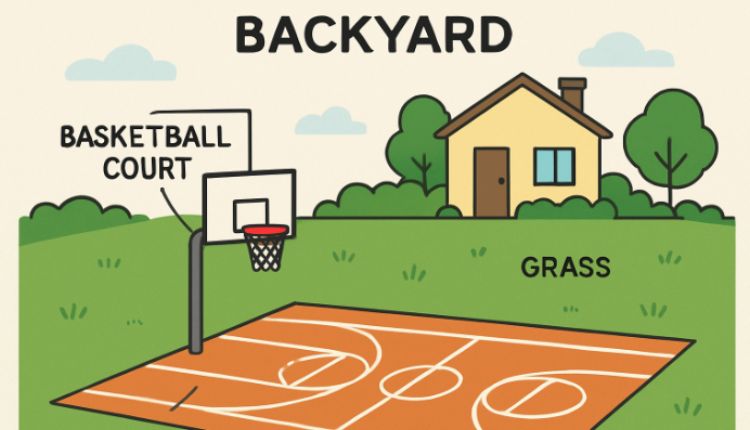
Transforming an ordinary backyard into a home basketball court is a project that blends excitement, potential property value, and recreation. Before launching into the planning and design process, many homeowners seek information about costs and design options. If you’ve wondered how much does it cost to build a basketball court, Dominator offers a comprehensive guide that breaks down every cost element and describes how everything from site preparation to surfacing impacts your investment. As a leading brand in the residential basketball court industry, Dominator provides expert-backed insights and serves households throughout the United States with durable, high-quality equipment and professional advice. Their experience ensures homeowners receive credible, regionally relevant answers for every stage of the court-building process.
This article will also cover essential aspects of backyard basketball court design, including regulatory considerations, layout ideas, installation methods, and smart maintenance practices. By following this guide, you can create a customized space for sports, family time, and neighborhood gatherings.
Assessing Your Space
The first step to a successful basketball court installation is assessing your available yard space. Not all properties can accommodate a regulation-size court, which measures 94 by 50 feet. Many homeowners create half-courts or adjust the dimensions to fit comfortably within their landscape. Carefully measure the area, and be aware of any sloped or uneven ground that may require leveling. Remove any large rocks, trees, or other obstructions to create a safe, playable surface.
Understanding Local Regulations
Building a backyard basketball court involves more than setting up a hoop and painting lines. Homeowners must consult their local municipality or planning department to learn about zoning laws, setback requirements, and permit requirements for residential sports courts. Some areas require noise barriers, specific lighting regulations, or a certain distance between the court and neighboring properties. Avoid headaches down the line by ensuring full compliance before any physical work begins.
Choosing the Right Surface
Surface material is a fundamental decision that influences safety, performance, and court longevity. Homeowners can choose among concrete, asphalt, or modular tile systems. Concrete offers outstanding durability and minimal maintenance, though it can be tough on ankles and knees with regular use. Asphalt delivers a slightly softer playing surface but may need more frequent repairs. Modular tiles have grown popular because they provide shock absorption, weather resistance, and a variety of design options to suit personal tastes. Consider your region’s climate, budget, and desired aesthetics when selecting a surface.
Designing the Court Layout
Visualization is key to a functional and visually appealing backyard court. Many homeowners turn to interactive tools, such as VersaCourt’s 3D Court Designer, to map out dimensions, select colors, and preview court features in a virtual setting. This planning stage is the perfect opportunity to integrate additional features, such as adjustable hoops, boundary fencing, or game lines, for multiple sports. Play around with layouts online to see what works best for your unique space and family’s needs. For detailed guidance, check professional court designers for tips and recommendations.
Budgeting and Cost Considerations
A backyard basketball court can fit a wide range of budgets. Expenses fluctuate significantly depending on size, materials, labor, and customization. While a modest half-court might cost several thousand dollars, a deluxe setup with lighting, professional surfacing, and fencing can exceed $75,000. Be sure to account for site preparation, surfacing, equipment, and post-installation costs such as regular maintenance. Setting a clear budget up front and researching average prices in your area will help avoid financial surprises.
Installation Process
DIY vs. Professional Installation
One of the biggest decisions is whether to handle installation as a do-it-yourself project or to hire experienced contractors. DIY routes offer significant cost savings, but require time, tools, and technical know-how. Professional building services guarantee code compliance, precise leveling, and overall project quality. The process typically involves site analysis and preparation, pouring the selected surface, installing basketball hoops, lighting, and optional fencing, and finally painting court lines and aesthetics. Every step must be executed with attention to detail to achieve a safe, level, and attractive court.
Maintenance and Upkeep
After installation, ongoing maintenance ensures the court remains safe, attractive, and fully functional. Clean the playing surface regularly to remove debris, and inspect for cracks, surface wear, or loose tiles. Periodically check hoop assemblies, nets, and lighting fixtures to address wear and tear before it affects play. Simple preventive care, such as power washing and quick repairs, keeps both the surface and equipment in top condition for years of enjoyment.
Final Thoughts
Bringing a backyard basketball court vision to life is a rewarding journey. With thoughtful planning, awareness of local requirements, and attention to quality materials, homeowners can create a personalized space for recreation and relaxation. The right design increases usability and may boost property value, while regular upkeep ensures the court remains a source of joy for years to come.