






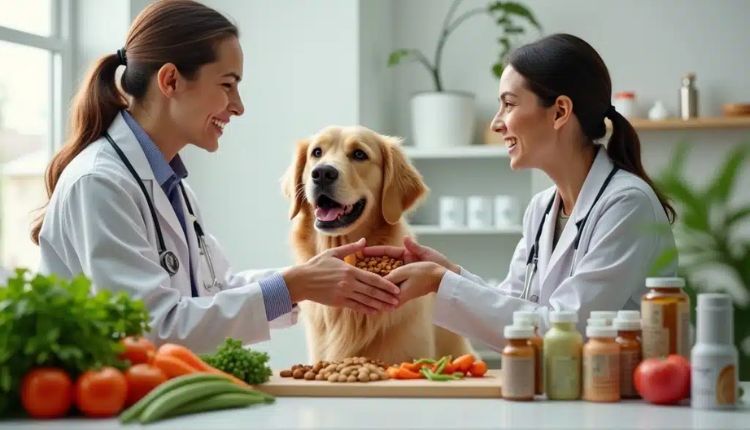
Your pet depends on you for every meal. Food can help your pet fight disease, keep a steady weight, and stay active with less pain. Poor nutrition can do the opposite. It can slowly damage joints, organs, and mood. You may not see the harm until your pet is very sick. That is why nutrition counseling at the vet matters. You get clear guidance, not guesswork from labels or online tips. A North West San Antonio veterinarian can look at your pet’s age, weight, habits, and health history. Then you get a simple plan you can follow at home. You learn what to feed, how much, and how often. You also learn what treats to avoid. Careful nutrition supports recovery after surgery, long term disease, and behavior problems. It also supports healthy teeth and a stronger immune system. You do not have to figure this out alone.
Why food choices matter for your pet
Food is not just fuel. It acts like daily medicine for your pet’s body. Each bowl can help or hurt.
When you choose the right diet, you support three core needs.
- Strong muscles and steady weight
- Healthy organs like heart, liver, and kidneys
- Normal mood and clear behavior
When food is wrong or unbalanced, you may see clear signs. You may see itching, loose stool, low energy, or weight gain. You may also see silent harm that only shows on blood work. A nutrition plan from your vet cuts that risk. It gives you facts, not hope.
What happens during nutrition counseling
Nutrition counseling is a focused visit about food. It is not a sales pitch for a bag on the shelf. It is a medical step that uses your pet’s full health story.
Your vet team will often:
- Check weight, body shape, and muscle loss
- Review current food, treats, table scraps, and chews
- Ask about thirst, stool, vomit, and skin issues
- Look at test results for kidneys, liver, blood sugar, and thyroid
Then your vet gives you a clear plan with three parts.
- The type of food that fits your pet’s needs
- The exact amount per day
- The feeding schedule and treat rules
Follow-up visits fine-tune the plan. Your vet may adjust calories, protein, or fat based on how your pet responds.
Comparing common pet diets
Many pet owners feel pulled in many directions by food trends. A simple comparison can help you talk with your vet about real tradeoffs.
| Diet type | Possible benefits | Common risks | Best used for
|
|---|---|---|---|
| Standard grocery dry food | Easy to store. Lower cost. Simple to feed. | May not match health needs. Quality can vary. Often, more calories. | Healthy pets with no special needs when the brand meets AAFCO standards. |
| Premium or “all life stage” food | Often better ingredients. Clear label claims. | “All life stage” can be too rich for seniors or low activity pets. | Pets that need steady quality and clear labels after vet review. |
| Veterinary therapeutic diet | Formulated for disease such as kidney or joint disease. | Higher cost. Needs close vet oversight. | Pets with chronic disease or high risk of disease. |
| Home cooked diet | Full control of ingredients. Helpful for some food allergies. | High risk of missing key nutrients without an expert recipe. | Pets that need special recipes designed by a veterinary nutrition expert. |
| Raw or undercooked diet | Perceived as “natural” by some owners. | Higher risk of germs like Salmonella. Can harm pets and people. | Only under strict vet guidance if at all. |
How nutrition supports different life stages
Food needs change as your pet ages. One diet does not fit every stage.
- Puppies and kittens. Need higher protein and energy. Need correct calcium and phosphorus for bones.
- Adult pets. Need stable calories. Need balance to prevent slow weight gain.
- Senior pets. Often need fewer calories. Often need support for joints, kidneys, and brain.
Your vet reviews growth charts for young pets. Your vet also tracks weight and muscle for adults and seniors. Each change in life stage is a good time to ask for a new nutrition plan.
Using food to manage disease
Nutrition counseling becomes urgent when your pet has a disease. Food can ease symptoms and slow damage in three common ways.
- Weight problems. A measured diet plan can protect joints, heart, and lungs. It can also improve comfort and mood.
- Kidney and urinary disease. Special diets can control phosphorus and protein. They can also support water intake and reduce stone risk.
- Skin and stomach trouble. Limited-ingredient or hypoallergenic diets can cut itching, ear infections, and loose stool.
Your vet may also use food to support heart disease, diabetes, dental disease, and joint disease. In many cases, the right diet can reduce the need for higher doses of medicine.
Practical tips you can use today
You can start helping your pet before the next visit with three simple steps.
- Measure every meal with a standard cup or gram scale. Do not free feed.
- Count treats as food. Keep treats under ten percent of daily calories.
- Keep a small food diary. Record brand, amount, and any stomach or skin signs.
Bring the diary and the food bag to your next vet visit. That record gives your vet a clear picture and leads to a stronger plan.
Working with your vet as a team
Nutrition counseling turns you and your vet into partners. You bring daily knowledge of your pet’s habits and moods. Your vet brings medical training and access to safe products backed by research.
When you ask direct questions and share worries, you protect your pet from silent harm. You also gain peace of mind. Every bowl becomes an act of care, not a guess. Over time, that care shows in your pet’s energy, coat, and comfort at every age.