






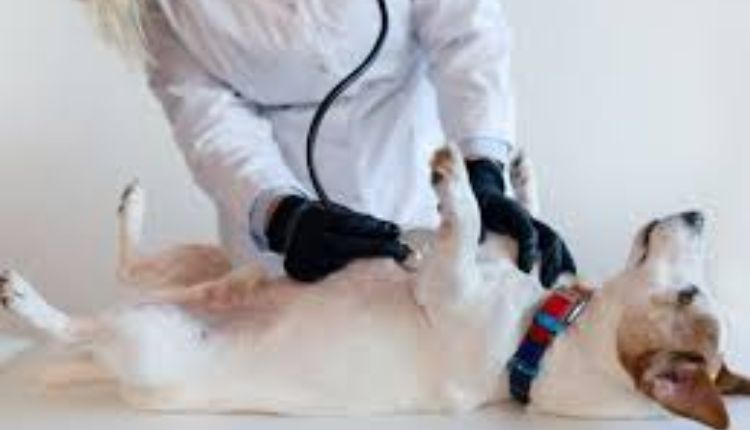
You want your pet to stay with you as long as possible. That starts long before an emergency visit. Preventive care lets you find small problems early, when they are easier to treat and less painful for your pet. Routine exams, vaccines, blood tests, and dental checks give you a clear picture of your pet’s health. They also give your veterinarian in Unionville-Markham a chance to spot quiet warning signs you might miss at home. Early care can slow disease, protect joints, support the heart, and keep weight under control. It can also protect your family from infections that pass from animals to people. This blog explains how simple habits can add healthy years to your pet’s life. You will see what to ask at each visit, how often to schedule care, and which changes in your pet’s behavior should never wait.
Why regular checkups add years
Pets hide pain. They also hide sickness. By the time you see clear signs, the disease may be advanced. Regular checkups give you three strong benefits.
- You catch a disease at an early stage.
- You adjust food and exercise before weight harms joints and organs.
- You build a record that shows quiet changes over time.
The American Veterinary Medical Association explains that routine wellness visits help find problems long before they turn into crises.
How often to schedule preventive visits
The right schedule depends on age and health status. Still, you can follow a clear pattern.
| Life stage | Typical visit frequency | Main goals
|
|---|---|---|
| Puppies and kittens | Every 3 to 4 weeks until vaccine series ends | Vaccines, parasite control, growth checks, guidance on food, and training |
| Healthy adult pets | Once a year | Physical exam, vaccines, screening tests, weight, and behavior review |
| Senior pets | Every 6 months | Blood work, organ checks, pain control, screening for cancer, and memory changes |
| Pets with chronic disease | Every 3 to 6 months, as advised | Monitor kidneys, heart, lungs, hormones, and response to medicine |
This routine may feel strict. Yet it often costs less than one emergency stay.
Vaccines and parasite control protect your whole family
Many infections pass from animals to people. Preventive care helps you block that risk. Core vaccines protect dogs and cats from rabies, parvo, distemper, and other deadly infections. Your veterinarian also recommends non-core shots based on lifestyle.
Regular testing and prevention for fleas, ticks, and worms do three key things.
- They protect your pet from pain and anemia.
- They lower the chance of Lyme disease and other tick-borne infections in your home.
- They keep your yard and indoor space safer for children.
The Centers for Disease Control and Prevention shares clear guidance on pet-related infections at their page on healthy pets, healthy people.
Weight control and nutrition
Extra weight shortens life. It strains joints, heart, and lungs. It also raises the risk of diabetes and some cancers. During preventive visits, your veterinarian checks three things.
- Weight and body shape.
- Muscle strength.
- Food type and treat habits.
You then get clear steps.
- Adjust food amount based on current weight, not the bag label alone.
- Use measured meals, not free feeding.
- Pick simple rewards like small pieces of regular food instead of rich snacks.
Even a small weight loss can ease pain and extend life.
Dental care and silent pain
Dental disease is common and quiet. Plaque builds up. Gums swell. Bacteria move into the blood and reach the heart, liver, and kidneys. Preventive dental care includes three steps.
- Home brushing with pet-safe paste.
- Dental diets or chews that your veterinarian approves.
- Regular dental cleanings under anesthesia when needed.
Clean teeth help your pet eat, play, and rest. They also support a longer life by easing chronic infection.
Screening tests that change outcomes
During wellness visits, your veterinarian often recommends simple tests. Each test looks for early signs of disease.
| Test | What it checks | Life extending benefit
|
|---|---|---|
| Blood work | Kidney, liver, blood sugar, electrolytes | Finds organ strain before failure and allows early treatment |
| Urine test | Kidney function, infection, crystals | Prevents bladder damage and supports kidney health |
| Fecal exam | Intestinal parasites | Stops slow blood loss, weight loss, and spread to people |
| Heartworm test | Parasites in the heart and lungs | Allows treatment before heart damage and guides prevention |
These tests can turn a future crisis into a simple change in diet or medicine.
Behavior changes you should never ignore
Behavior often shows sickness before lab results do. During preventive visits, share any change, even if it seems small. Watch for three main groups of signs.
- Energy changes. Less play, more sleep, or sudden restlessness.
- Eating and bathroom changes. More thirst, more urination, trouble passing stool, or loss of appetite.
- Mood changes. New aggression, hiding, crying, or confusion.
Call your veterinarian if you see these signs. Do not wait for the next routine visit. Early pain control and treatment protect both body and mind.
Building a long-term plan with your veterinarian
Preventive care works best when you and your veterinarian plan together. At each visit, ask three simple questions.
- What is the most important health risk for my pet right now?
- What can I change at home this week to lower that risk?
- When should I schedule the next visit or test?
Consistent preventive care does not remove every disease. Yet it often turns severe illness into manageable conditions. It also gives your pet more comfortable days. That is the real measure of a longer life.