






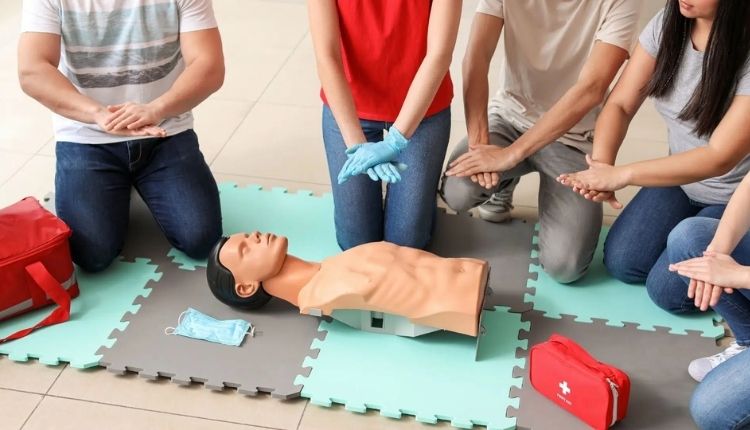
Choosing the right CPR and first aid course can be a crucial decision for anyone looking to be prepared for emergencies. With so many options available, it can be overwhelming to determine which course suits your needs best.
Whether you want to learn basic life-saving skills, train for a specific job, or simply feel more confident in emergency situations, understanding what courses offer is essential for making the right choice.
Understand Your Goals
The first step in choosing the right CPR and first aid course is to understand your goals. Are you looking to become certified for a job? Or do you want to learn skills to help your family and friends?
Different courses cater to varying needs. For example, a healthcare professional might require advanced training that covers more complex scenarios, while a parent or school staff might need a basic course that focuses on child safety.
Consider the Course Content
Once you clarify your goals, it’s essential to consider the content provided in the course. Look for programs that include CPR, first aid skills, and the use of an automated external defibrillator (AED).
Ensure the course also covers topics like choking emergencies, allergic reactions, and how to manage bleeding or wounds. The course should include practical, hands-on training, which is critical for building confidence and skill in emergencies.
Check for Accreditation
Not all CPR and first aid courses are created equal. It’s important to choose a course accredited by a reputable organization.
Look for courses that have endorsements from trusted bodies. Accreditation ensures that the course meets current standards in emergency care and that you’re receiving reliable and effective training.
Location and Duration
Consider the location and duration of the course. Some people may prefer an in-person class where they can receive immediate feedback, while others might find online courses more convenient.
If you choose an in-person class, check how long the course lasts. Courses can range from a few hours to several days, depending on the depth of training.
Instructor Qualifications
The qualifications of the instructor can greatly influence your learning experience. Look for courses led by experienced instructors who have a background in emergency services or healthcare.
An effective instructor should be knowledgeable, engaging, and able to provide real-life examples to make the training relatable and practical. Reading reviews from past participants can give you insight into the instructor’s ability and teaching style. Finding the right CPR and first aid course will prepare you for emergency situations confidently.
Cost and Value
Cost is another important factor to consider. Prices can vary widely based on the course provider, location, and depth of training.
While it may be tempting to choose the cheapest option, remember that quality matters when it comes to learning life-saving skills. Weigh the cost against what you’ll gain from the training.
Certification and Renewal Requirements
Consider the certification provided at the end of the course and any renewal requirements. Many employers require certifications to be current, meaning they must be renewed every two years.
Check if the course you’re interested in provides a certificate upon completion, and understand the steps needed to maintain your certification. Staying updated on the latest techniques and practices is key in emergency situations, as guidelines may change over time.
Making Your Decision
By taking the time to evaluate your needs and considering various aspects of available courses, you can make an informed decision. Being equipped with these skills not only empowers you but can also save lives. Research local options and commit to learning essential skills.
Visit our website for more.