






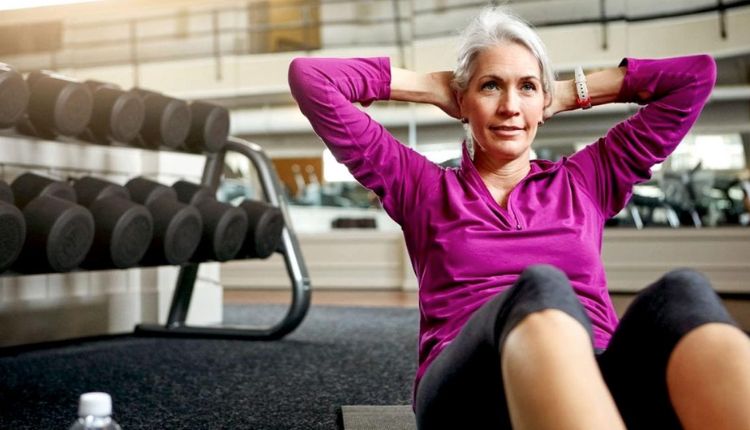
We are living in the golden age of “Athleisure.” The boundary between the gym and the rest of our lives has dissolved. It is entirely socially acceptable—even fashionable—to wear high-compression leggings to a spin class at 8:00 AM, grab a coffee at 9:00 AM, and head straight to a casual business meeting or brunch by 10:00 AM, all without changing.
While this shift has done wonders for our daily convenience and wardrobe versatility, it has introduced a silent, invisible conflict in the realm of intimate health. The “Gym-to-Brunch” pipeline might look great on Instagram, but biologically, it is creating a pH crisis that many women are unknowingly fighting every day.
The issue isn’t the sweat itself; it is the chemistry of the sweat combined with the physics of the fabric.
The War of the pH Levels
To understand the crisis, we have to look at the numbers. The vaginal microbiome is a delicate, self-regulating ecosystem that thrives in an acidic environment. A healthy vaginal pH typically ranges between 3.8 and 4.5. This acidity is maintained by good bacteria (Lactobacilli), which produce lactic acid to keep pathogens, yeast, and bad bacteria at bay. It is nature’s built-in defense system.
Sweat, however, is a biological disruptor. Human sweat is slightly acidic to neutral, usually sitting between 5.0 and 7.0 on the pH scale. When you work out, your body produces sweat to cool down. In the groin area, this moisture is trapped against the skin by tight, synthetic fabrics like Spandex and Polyester.
When that sweat sits against the vulva for an hour while you grab avocado toast, it acts as an alkalizing agent. It slowly raises the surface pH of the skin. As the pH rises above 4.5, the protective acid mantle weakens. The environment becomes less hostile to bad bacteria and yeast (Candida), essentially rolling out a welcome mat for infection, odor, and irritation.
The Occlusion Effect
The problem is compounded by “Occlusion”—the medical term for trapping moisture against the skin.
Modern activewear is a marvel of engineering. It lifts, sculpts, and compresses. But that same compression creates a seal. Unlike cotton, which breathes, thick synthetic leggings create a humid, warm micro-climate.
In this environment, the natural bacteria on your skin begin to break down the proteins in your sweat. This interaction is what causes odor. It isn’t that you are “dirty”; it is that you have created a petri dish. The longer the sweat sits, the more the bacteria proliferate, and the more the pH balance drifts into the danger zone.
The Friction Factor
Then comes the physical trauma. If you do decide to freshen up in the gym locker room, the standard options are often detrimental.
-
Option A: Dry Toilet Paper. This is abrasive. Wiping sweat-dampened, sensitive skin with dry paper creates micro-tears and leaves behind lint (a phenomenon humorously but accurately called “clitty litter”).
-
Option B: The Wet Wipe. Most wipes are loaded with preservatives (like methylisothiazolinone) to prevent mold in the package. These preservatives, along with the friction of wiping, can strip the natural oils from the vulva, leading to contact dermatitis. Furthermore, if the wipe isn’t pH-balanced, you are just wiping one disruption away with another.
The “Touchless” Solution
So, how do you bridge the gap between the treadmill and the rest of your day without destroying your microbiome? The answer lies in neutralizing the environment without stripping it.
The goal is to reset the pH and eliminate the sweat residue without using friction. This requires a shift from “scrubbing” to “rinsing,” but since a shower isn’t always available, we need a portable equivalent.
This is the functional role of a buffered, liquid solution. Unlike water (which has a pH of 7 and can be drying), a specialized botanical spray can instantly lower the pH of the skin surface back to its happy acidic range. It neutralizes the odor-causing bacteria on contact and provides a burst of hydration that soothes the friction caused by tight leggings.
Using a touchless feminine mist allows you to saturate the area, rinsing away the alkaline sweat salts, and then simply pat dry. It is a “shower in a bottle” concept that respects the biology of the area.
Conclusion
The “Gym-to-Brunch” lifestyle isn’t going anywhere. We are busy, active, and we demand clothes that can keep up. But our bodies operate on ancient biological rules that don’t care about our busy schedules.
We don’t need to stop wearing leggings, but we do need to upgrade our post-workout protocol. By acknowledging the chemical clash between sweat and our natural defenses, we can take simple steps to restore balance. It’s about ensuring that while your muscles might be exhausted, your most sensitive skin remains resilient, fresh, and ready for whatever the rest of the day holds.