






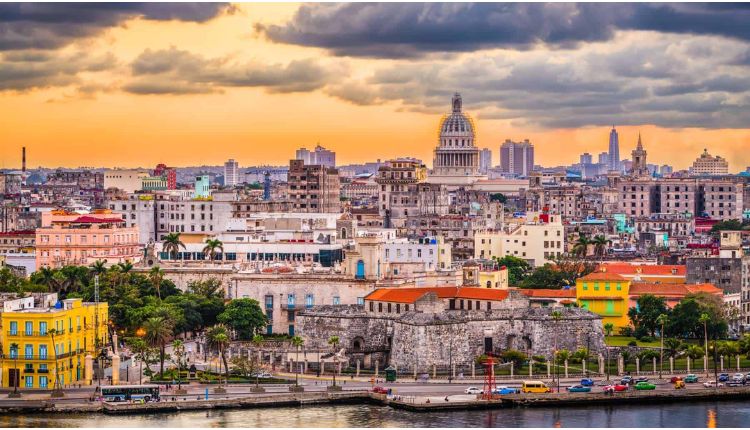
With its colourful streets, colonial architecture, classic cars, live music, and deep historical roots, La Habana offers a unique blend of old-world charm and modern Cuban life. This city is not just a destination; it is an experience shaped by centuries of history, revolution, art, and resilience. From the narrow streets of Old Havana to the coastal beauty of the Malecón, Havana tells a story that continues to captivate travellers, historians, and culture lovers from around the world.
Historical foundations of Havana
La Habana’s history goes back more than five centuries, making it one of the oldest continuously inhabited cities in the Americas. Founded in 1519 by Spanish settlers, the city quickly became a key port for Spain’s New World empire. Its strategic location transformed Habana into a center of commerce, wealth, and military defence, shaping its early development and architecture.
The Spanish influence is visible throughout the city, especially in Old Havana, where colonial forts, plazas, and cathedrals still stand. Habana faced frequent attacks by pirates and rival European powers, leading to the construction of massive defensive structures. These fortifications not only protected the city but also determined its skyline and urbanism.
Key historical influences on Habana include:
- Spanish colonial rule and Catholic traditions
- Transatlantic trade and the maritime economy
- African cultural influence through slavery
- Cuban War of Independence
- Cuban Revolution in 1959
Each era has left a lasting mark on the identity of Habana. After the revolution, the city experienced major political and economic changes that shaped its daily life and development. Despite challenges such as economic embargoes and a lack of resources, Havana has maintained its historical essence. Today, walking through the city is like moving through different historical periods at once, where past and present coexist in a uniquely Cuban way.
Architectural beauty and urban design of Havana
La Habana is often referred to as an open-air museum for its extraordinary architectural diversity. The city presents a wide range of styles that reflect the different historical periods that shaped it. From Spanish colonial buildings to Art Deco and mid-20th-century modernism, Havana’s architecture tells a visual story of its evolution.
Old Havana, a UNESCO World Heritage Site, is the architectural heart of the city. Cobbled streets, pastel-coloured buildings and ornate balconies define the area. Many of the structures date from the 16th and 17th centuries, making them some of the oldest in America.
Notable architectural styles in Habana include:
- Spanish colonial architecture with courtyards and arches
- Neoclassical buildings inspired by European design
- Early 20th-century art deco structures
- Eclectic architecture mixing multiple influences
- Buildings from the socialist era reflecting post-revolutionary priorities
Beyond Old Havana, neighbourhoods like Vedado and Miramar offer a different architectural perspective, featuring wider streets, modern buildings and grand mansions. The contrast between restored buildings and weathered facades adds charm to the city. The architecture of Habana is not polished or uniform; instead, it feels alive, layered and authentic, reflecting the resilience and creativity of its people.
Cultural life and traditions in Havana
Culture is the soul of La Habana. The city thrives on music, dance, art and everyday social interactions that turn ordinary moments into celebrations. Cuban culture is deeply rooted in African, Spanish and Caribbean traditions, and Havana is where these influences come together most vividly.
Music is everywhere in Havana. From salsa and son cubano to jazz and modern fusion, the city pulses with rhythm. Street musicians, live bands and spontaneous dance sessions are common sights. Dancing is not just fun; it’s a way of life.
Important cultural features of Habana include:
- Traditional Cuban music and dance
- Fine art and street murals
- Literary and intellectual heritage
- Festivals, parades and celebrations
- Strong community and social ties
Havana is also a center of Cuban art and literature. Galleries, theatres and cultural centres showcase local talent, while public spaces often serve as stages for artistic expression. Cultural traditions are passed down from generation to generation and keep the city’s identity alive. Whether through music, storytelling, or daily rituals, Havana’s culture remains deeply connected to its people.
The cuisine and culinary identity of Habana
Food in La Habana reflects the city’s history, geography and cultural diversity. Cuban cuisine is simple but tasty, shaped by Spanish, African and Caribbean influences. Dishes often focus on fresh ingredients, slow cooking and traditional recipes passed down from families.
Classic Cuban dishes are widely available throughout Habana, from home-style restaurants to street vendors. Rice, beans, pork, bananas and seafood form the basis of many dishes. While the ingredients may be modest, the flavours are rich and satisfying.
Popular Havana culinary attractions include:
- Traditional rice and bean dishes
- Slow-roasted pork and seafood
- Tropical fruits and fresh juices
- Cuban coffee and sugar-based desserts
- Street food and local snacks
In recent years, private restaurants known as “paladares” have transformed Havana’s gastronomic scene. These establishments combine traditional Cuban flavours with modern culinary creativity. Dining in Havana isn’t just about the food; it’s a social experience that brings people together and reflects the warmth and hospitality of Cuban culture.
The role of music and dance in Havana
Music and dance are an integral part of life in Havana. It serves as an expression of joy, resistance, identity and history. Cuban music has influenced world genres, and La Habana remains at the center of this musical legacy.
Salsa, son, rumba and mambo are deeply rooted in the streets and social spaces of the city. Music is often spontaneous, emerging from meetings, celebrations or even informal conversations. Dance is accessible to everyone, regardless of age or background.
Key music and dance traditions in Habana include:
- Son cubano is the foundation of Cuban music
- Salsa as a global cultural export
- Afro-Cuban rhythms and percussion
- Jazz fusion and contemporary styles
- Community dance tradition
Music in Havana is not limited to performance venues. It spills into houses, streets and public squares, making the whole city feel alive. This constant presence of rhythm and movement defines the emotional energy and cultural pulse of Habana.
Daily Life and Social Atmosphere in Habana
Daily life in La Habana is shaped by strong social connections and a shared sense of community. Despite economic challenges, residents maintain a vibrant social atmosphere built on relationships, creativity, and adaptability.
Public spaces play a central role in everyday life. Parks, plazas, and streets are gathering points where people talk, play music, and share stories. Life moves at a slower pace compared to many modern cities, allowing for deeper human interaction.
Common aspects of daily life in Havana include:
- Strong neighbourhood communities
- Open social interactions and hospitality
- Shared public spaces
- Resourcefulness and creativity
- A relaxed approach to time
Havana’s social atmosphere is welcoming and expressive. Conversations flow easily, and strangers are often treated like friends. This sense of openness makes the city feel alive and emotionally rich, leaving a lasting impression on anyone who experiences it.
Tourism and Global Appeal of La Habana
La Habana is one of the most iconic travel destinations in the Caribbean. Tourists are drawn to its history, culture, architecture, and unmistakable character. Unlike highly commercialized cities, Habana offers authenticity and depth.
Visitors explore historic neighborhoods, coastal views, cultural events, and local traditions. Tourism has become an important part of the city’s economy, contributing to restoration projects and cultural preservation.
Reasons why Havana attracts global attention include:
- Rich historical and cultural heritage
- Unique architecture and classic cars
- Music, dance, and artistic expression
- Coastal beauty and tropical climate
- Warm and welcoming people
While tourism brings opportunities, Havana also faces the challenge of balancing preservation with modernisation. The city continues to evolve while protecting its identity, making it a destination that feels timeless rather than trendy.
The Future of La Habana in a Changing World
La Habana stands at a crossroads between tradition and change. As global influences increase and technology advances, the city faces new opportunities and challenges. Modernisation, tourism, and cultural preservation must coexist to ensure sustainable growth.
Efforts to restore historic buildings and support local culture are shaping Habana’s future. Young artists, entrepreneurs, and community leaders are redefining the city while honouring its past.
Key factors influencing Havana’s future include:
- Cultural preservation initiatives
- Sustainable tourism development
- Economic reforms and innovation
- Youth involvement and creativity
- Global cultural exchange
Havana’s strength lies in its resilience and identity. The city continues to adapt while staying true to its roots. This balance between past and future ensures that Havana remains one of the world’s most distinctive and meaningful cities.
Conclusion
La Habana is more than just the capital of Cuba; it is a living reflection of history, culture, and the human spirit. From its colonial origins and architectural beauty to its music-filled streets and strong social bonds, the city offers a deeply immersive experience. Havana’s charm lies in its authenticity, resilience, and emotional richness. As it continues to evolve, it remains a place where the past is honoured, the present is celebrated, and the future is shaped with creativity and hope.
FAQs About Habana
What is Havana best known for?
Havana is best known for its historic architecture, vibrant music culture, classic cars, and rich Cuban traditions.
Is Havana a good tourist destination?
Yes, Havana is a popular destination due to its cultural depth, historical landmarks, and welcoming atmosphere.
What language is spoken in Havana?
Spanish is the primary language spoken in Havana.
What type of food is common in Havana?
Traditional Cuban cuisine, including rice, beans, pork, seafood, and tropical fruits, is common.
Why is Havana culturally important?
Habana represents the heart of Cuban history, music, art, and social life, making it a key cultural center in the Caribbean.