






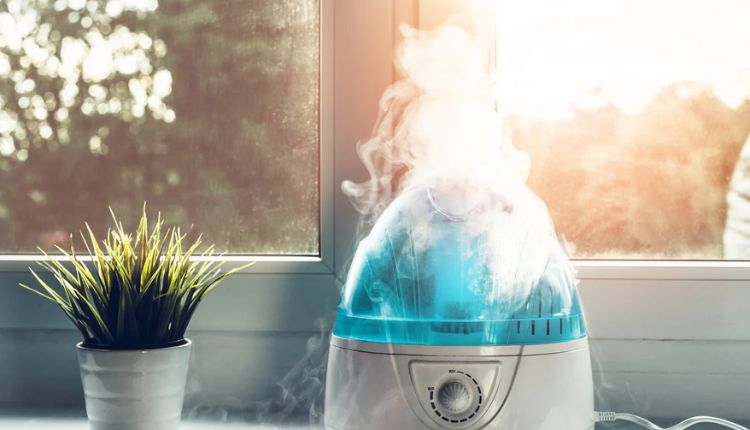
Indoor air quality has a strong impact on comfort, health, and everyday living. In many homes, especially during colder seasons or in dry climates, indoor air can lose moisture and become uncomfortable. This dryness may lead to irritated skin, breathing discomfort, dry eyes, and poor sleep quality. Humidifiers are designed to solve these issues by adding moisture to the air and creating a more balanced indoor environment.
Over the years, humidifiers have become more advanced and efficient. Modern models now include smart controls, automatic humidity adjustment, quiet operation, and advanced filtration systems. These improvements have made humidifiers an essential appliance in many households looking to improve comfort and indoor air quality.
Why Indoor Humidity Is Important?
The amount of moisture in indoor air plays an important role in maintaining a healthy and comfortable home. Air that is too dry can create several common problems, including sore throats, dry skin, cracked lips, and nasal irritation. It may also increase discomfort for people with allergies or respiratory sensitivities.
Dry indoor conditions are especially common during winter because heating systems remove moisture from the air. Air conditioning systems can also lower humidity levels during warmer months. Without balanced humidity, indoor spaces may feel uncomfortable and unhealthy.
Humidifiers help restore moisture to the air, creating a more pleasant atmosphere indoors. Proper humidity levels can support easier breathing, improve comfort, and reduce dryness-related irritation.
Balanced indoor moisture can also protect furniture and household materials. Wooden floors, furniture, musical instruments, and decorative items may become damaged when exposed to extremely dry air for long periods. Maintaining proper humidity helps preserve these items and supports a healthier indoor environment overall.
How Humidifiers Work?
Humidifiers function by releasing moisture into the air through vapor or fine mist. Different models use different methods to increase humidity levels inside a room or home.
Cool mist humidifiers are among the most popular options because they release moisture without heating water. These devices are often energy-efficient and suitable for households with children or pets.
Warm mist humidifiers heat water before releasing steam into the air. This can create a soothing atmosphere during colder weather and may help make indoor spaces feel more comfortable.
Ultrasonic humidifiers use high-frequency vibrations to create an extremely fine mist. These models are usually quieter than traditional systems, making them ideal for bedrooms, nurseries, and offices.
Some advanced humidifiers combine air purification with humidification. These systems help capture dust, allergens, and airborne particles while maintaining proper humidity levels. This dual functionality improves both indoor comfort and air quality.
Health Benefits of Humidifiers
One of the main advantages of humidifiers is improved breathing comfort. Dry air can irritate the nose, throat, and lungs, especially for people who are sensitive to allergens or changing weather conditions. Proper humidity levels can help reduce irritation and create a more comfortable indoor atmosphere.
Humidifiers may also help improve sleep quality. Dry air can contribute to snoring, throat dryness, and nighttime discomfort. Adding moisture to the air can create a more relaxing sleeping environment and reduce dryness during the night.
Skin health is another important benefit. Dry indoor conditions can cause rough skin, cracked lips, and irritation, especially during winter months. Humidifiers help maintain moisture in the environment, reducing these common problems.
Families with young children often use humidifiers to create a more soothing indoor environment during seasonal weather changes. Balanced humidity levels may help reduce discomfort caused by dry heating systems.
Indoor plants can also benefit from improved humidity. Many plants thrive in environments with balanced moisture levels, making humidifiers useful for maintaining healthier indoor greenery.
Modern Features in Today’s Humidifiers
Technology has significantly improved the performance and convenience of modern humidifiers. Many models now include digital displays, automatic settings, and smart features that simplify operation.
Some humidifiers can monitor indoor humidity levels in real time and automatically adjust moisture output when needed. This helps maintain balanced humidity without requiring constant manual changes.
Quiet performance has become another important feature. Modern humidifiers are often designed to operate with minimal noise, making them suitable for bedrooms, nurseries, and workspaces.
Advanced humidifiers may also include filtration systems that help remove dust, allergens, and airborne particles. These systems improve indoor air quality while maintaining comfortable moisture levels.
Easy maintenance has also become a priority in modern designs. Removable water tanks, washable filters, and simple cleaning systems help make humidifiers more practical for daily use.
Energy efficiency is another advantage of newer models. Many humidifiers are designed to operate effectively while using less electricity, helping reduce energy consumption.
Choosing the Right Humidifier
Selecting the right humidifier depends on room size, climate conditions, and personal preferences. Smaller units are usually suitable for bedrooms or office spaces, while larger models may work better in open living areas.
Cool mist humidifiers are often preferred in family homes because they do not produce hot steam. Warm mist models may provide additional comfort during colder seasons but can require more energy to operate.
Water tank size is another important consideration. Larger tanks allow humidifiers to run longer without frequent refilling, which can be convenient for overnight use.
Maintenance requirements should also be considered before purchasing a humidifier. Regular cleaning helps prevent bacteria buildup and ensures the appliance continues to operate efficiently.
Other factors such as operating noise, energy efficiency, and smart controls can also affect the overall experience. Models with automatic humidity control may help maintain ideal indoor conditions more consistently.
The Future of Humidifiers
The future of humidifiers continues to focus on smarter technology and healthier indoor environments. Manufacturers are developing more advanced systems with better sensors, improved filtration, and enhanced energy efficiency.
Artificial intelligence and smart home integration are expected to become increasingly common in future humidifiers. These systems may automatically monitor indoor air quality and adjust humidity levels based on environmental conditions and user preferences.
Advanced purification systems capable of capturing finer airborne particles are also likely to become more common in premium humidifiers. These improvements will continue supporting cleaner and healthier indoor air.
As awareness about indoor air quality continues to grow, humidifiers are becoming more important in modern homes. Their ability to improve comfort, support respiratory health, and maintain balanced moisture levels makes them valuable appliances for everyday living.