






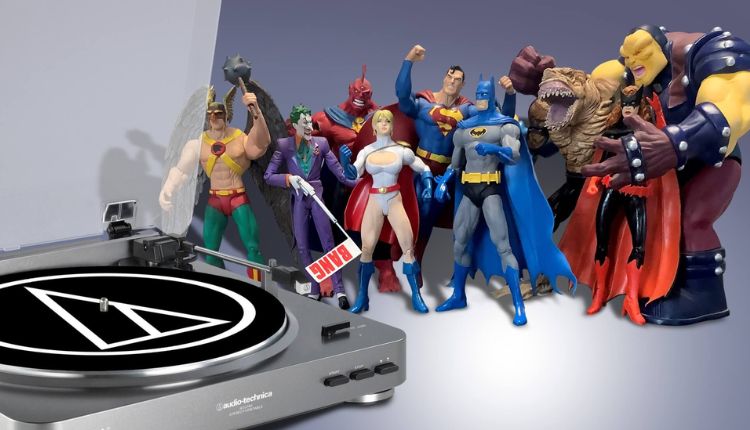
Pop culture collectibles bridge nostalgia, hobbyist passion, and real-world value. For gamers, fans, and creators, FNAF merch shows how fandom can drive engagement, revenue, and community growth. This guide walks through what collectibles are, high-value categories to focus on, how to source and verify items, practical ways to monetize inventory, marketing and link-building-friendly outreach (without getting bogged down in jargon), and how to run fulfillment and community efforts that keep customers coming back.
What Pop Culture Collectibles Are And Why They Matter To Gamers, Fans, And Creators
Pop culture collectibles encompass physical items tied to entertainment properties: limited-run game cartridges, action figures, vinyl soundtracks, artist-signed prints, convention-exclusive merch, and even digital equivalents like authenticated NFTs. For gamers, collectibles often signal devotion to a franchise, an original boxed edition of a classic title, or a rare Amiibo. For fans, collectibles are tactile connections to stories they love: props, posters, and apparel that evoke memories. For creators, streamers, indie developers, and artists, collectibles are both product and platform: they generate revenue, reinforce personal brand, and create tangible touchpoints that deepen audience loyalty.
Three reasons collectibles matter:
- Emotional resonance: A physical item from a favorite game or show creates an immediate, almost ritualistic connection. People keep and display items that reflect identity.
- Scarcity-driven value: Limited runs, convention exclusives, and early editions carry higher demand because they’re finite. That scarcity fuels secondary markets and long-term appreciation.
- Community currency: Collectibles become conversation pieces, tokens that open doors to collaborations, event invites, and social media virality.
Understanding why items resonate guides better buying decisions and product curation. Sellers who appreciate the emotional through-line can craft offers that feel authentic rather than transactional.
Top Collectible Categories To Target (High-Value And Evergreen Picks)
Certain categories repeatedly outperform others because they combine nostalgia, cross-generational appeal, and consistent demand. Sellers and creators should prioritize the following:
- Vintage video games and consoles: First-print cartridges, sealed consoles, and region-exclusive releases often command premiums. Classic titles that defined genres (platformers, RPGs, fighting games) are perennial favorites.
- Limited-edition figurines and statues: High-quality collectibles from reputable manufacturers (think detailed sculpts, numbered runs) retain value. Collaborations between studios and premium toy makers are often appreciated.
- Signed memorabilia and artist editions: Autographed posters, limited-run art prints, and numbered artist editions link provenance to desirability. Items with verified signatures from prominent voice actors, developers, or illustrators stand out.
- Convention exclusives and retailer variants: Comic-con exclusives and retailer-specific variants are rare by design. Their scarcity makes them highly sought after later.
- Soundtracks and vinyl: Physical music formats, especially colored or picture discs tied to popular franchises, appeal to audiophiles and collectors alike.
- Props and replica weapons: High-end replicas certified by studios or licensed manufacturers are evergreen among cosplayers and display collectors.
- Creator merch and collabs: Limited drops from streamers, indie devs, and artists create immediate demand. Drops that tie to special events or milestones gain extra traction.
Less flashy but steady performers include sealed trading card sets, game guides in mint condition, and first-print comics. Diversifying across several of these categories helps balance risk while tapping into multiple buyer segments.
Sourcing, Authenticity, And Inventory Tips For Ecommerce Sellers
Sourcing responsibly and verifying authenticity separates reputable sellers from opportunists. Key practices include:
- Build supplier relationships: Attend trade shows, conventions, and industry meetups. Direct relationships with licensors, distributors, and small-press artists reduce reliance on gray-market sources.
- Inspect provenance carefully: Request invoices, certificates of authenticity, or pictures of serial numbers. For signed items, provenance could be a photo of the signing or a video clip.
- Use trusted grading services: For games, cards, or comics, third-party grading adds credibility and often increases resale value. Explain grading clearly in product descriptions.
- Track SKU-level history: Maintain a lightweight inventory system that records acquisition date, cost, provenance notes, and condition. That record helps with pricing decisions and dispute resolution.
- Condition matters: Transparent grading (mint, near-mint, good, fair) and high-quality photos showing flaws prevent returns and build trust.
- Limit risky inventory: Avoid speculative bulk buys of unknown IPs. Favor items with confirmed collector interest or recent market movement.
Finally, sellers should price in authentication costs and potential returns. Authenticity is a competitive advantage; customers will pay a premium to avoid counterfeit risk.
How To Monetize Collectibles: Sales Channels, Pricing, And Bundling
Monetization happens across channels and through smart packaging. Practical strategies:
- Choose diversified channels: Sell on established marketplaces for reach, but maintain a direct store for higher margins and brand control. Marketplaces are great for moving standard items: direct sales suit limited drops, signed pieces, and bundles.
- Dynamic pricing: Start with market research, track completed sales for comparable items. Use tiered pricing for condition grades and add premiums for verified provenance or signatures.
- Create compelling bundles: Pair lower-priced items with a high-value centerpiece to increase average order value. Example: a limited print run with an artist-signed postcard and a discount code for a future drop.
- Run time-limited drops: Scheduled drops create urgency without resorting to high-pressure tactics. Drops tied to anniversaries, game updates, or creator milestones perform well.
- Offer pre-orders and exclusive tiers: Pre-orders fund production and help gauge demand. Exclusive tiers (signed, numbered, early access) provide scarcity within a drop.
- Licensing and collaborations: Partner with artists and indie studios for co-branded runs. Revenue shares can make collaborations low-risk and mutually beneficial.
- Secondary-market facilitation: Providing a verified resale program, where the store authenticates and lists second-hand items, keeps community transactions within the seller’s ecosystem.
Combining a direct storefront with careful R6 Marketplace presence and thoughtful bundling maximizes revenue while keeping customer experience consistent.
Managing Collections, Fulfillment, And Customer Experience
Execution behind the scenes determines whether customers return. Key operational priorities:
- Packaging and protection: Use archival sleeves, bubble-wrap, and rigid mailers for fragile or collectible-grade items. Consider branded inserts to elevate unboxing.
- Clear return and grading policies: Publish straightforward policies that minimize disputes, explain how condition was graded, and what qualifies for returns.
- Quick and careful fulfillment: Speed matters for buyers chasing drops. Carry out pick-and-pack checklists to avoid shipping wrong variants.
- Insurance and tracking for high-value items: For items above a threshold, require signature-on-delivery and insure packages.
- Post-purchase engagement: Send care tips, authenticity certificates, and invitations to join collector communities to increase lifetime value.
- Scalable storage solutions: For growing inventory, evaluate fulfillment partners experienced with fragile or limited-run items to maintain speed without compromising quality.
Great customer experience reduces return rates, increases word-of-mouth, and converts single-time buyers into advocates.
Community Building And Creator Collaborations To Drive Loyalty
Collectors are people first, communities form around shared obsessions. Building a loyal base requires intentional community design and respectful creator ties.
- Host regular events: Virtual unboxings, AMAs with creators, and live trading nights give collectors a reason to return.
- Reward early supporters: First-access passes, lifetime discounts, or special badges for repeat buyers cultivate a dedicated core audience.
- Curate creator collaborations: Work with creators whose audiences align, not just in size but in tone and values. Authentic partnerships outperform broad celebrity endorsements.
- Help peer commerce: Community marketplaces or swap threads help collectors trade and build relationships anchored by the store.
- Listen and adapt: Use community feedback to inform product choices and drops: public responsiveness strengthens trust.
Creators and stores that invest in people-first approaches create resilient communities that sustain sales beyond single-hit drops.
Conclusion
Pop culture collectibles offer a unique intersection of emotion, commerce, and creativity. For gamers, fans, and creators, the right mix of authentic sourcing, thoughtful monetization, reliable fulfillment, and community-centered marketing turns one-off purchases into lasting relationships. By prioritizing provenance, curating high-value categories, and partnering with creators and niche communities, sellers can build sustainable businesses that resonate deeply with collectors. The market rewards authenticity, shops that treat collectibles as cultural artifacts rather than mere inventory will find both loyal customers and steady growth.