






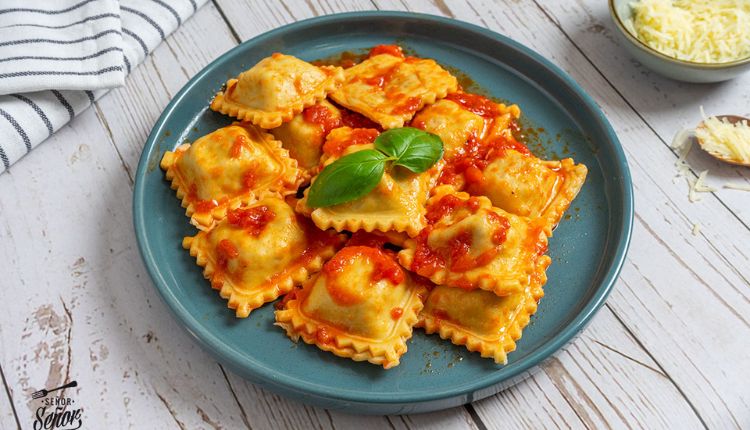
Originating in Italian culinary traditions and later adopted by Spanish and Latin cultures, raviolis rellenos represent comfort, craftsmanship and creativity in cooking. This dish has evolved over centuries, adapting to local ingredients and tastes, while maintaining its core identity as a stuffed pasta masterpiece.
Raviolis continue to grow in popularity worldwide due to their versatility, satisfying texture and ability to carry bold flavors. Whether filled with cheese, meat, vegetables or seafood, rellenos can be prepared in countless variations to suit both traditional and modern palates. This article examines in detail the history, preparation methods, fillings, sauces, cultural significance, and modern adaptations of rellenos.
Historical Background of Rellenos
The history of raviolis rellenos dates back to medieval Italy, where stuffed pasta became a way to make meals more filling and tasty. Early versions were often prepared for special occasions using leftover meats, herbs, and cheeses wrapped in thin slices of dough. Over time, the dish gained popularity among all social classes and became a staple in Italian households.
As Italian cuisine spread across Europe and America, ravioli rellenos adapted to regional preferences. In Spanish-speaking countries, the food acquired new flavors and included local spices, meats, and cheeses. Today, rellenos are enjoyed in homes, restaurants and symbolize the fusion of tradition and innovation.
The Art of Making Rellenos
Creating raviolis rellenos requires patience, precision, and quality ingredients. Pasta dough is usually made from flour, eggs and water, kneaded until smooth and elastic. The dough is then rolled out into thin sheets that are strong enough to hold the fillings without tearing.
The filling is the heart of rellenos. It must be well seasoned, balanced in texture and not too moist so that the pasta does not break during cooking. Once the filling is placed on top of the dough, another sheet is layered on top and the edges are carefully sealed to trap the flavors inside. Proper sealing is essential so that the ravioli cooks evenly and retains its shape.
Popular fillings used in Raviolis Rellenos
Raviolis rellenos offer endless possibilities when it comes to fillings. Cheese fillings are among the most traditional, often containing ricotta, mozzarella or parmesan mixed with herbs and spices. These fillings provide a creamy and delicate flavor that pairs well with a variety of sauces.
Meat-filled rellenos are also widely popular, commonly using ground beef, pork, chicken or veal. These fillings are usually pre-cooked and seasoned with garlic, onion and herbs to create a rich and savory profile. Vegetable fillings with spinach, mushrooms, pumpkin or sautéed vegetables have also gained popularity, making the dish suitable for a vegetarian diet.
Raviolis filled with seafood offer a more refined taste, often prepared with shrimp, crab or fish combined with light spices. These variants are especially popular in coastal areas and in luxury restaurants.
Sauces that complement Rellenos
The sauce plays a vital role in enhancing the flavor of the raviolis rellenos. The classic tomato sauce adds brightness and acidity and balances the richness of the filling. Creamy sauces provide a luxurious texture and are often paired with ravioli filled with cheese or mushrooms.
Butter-based sauces, infused with garlic or herbs, allow the flavor of the filling to shine through without overwhelming it. In some regions, rellenos are served with slow-cooked meat sauces that add depth and richness to the dish. Choosing the right sauce depends on the filling and personal taste preferences.
Cooking Techniques for Perfect Rellenos
Cooking raviolis rellenos requires careful timing and gentle handling. They are usually boiled in salted water until they float to the surface, indicating that they are cooked. Overcooking can cause the pasta to harden or fall apart, while undercooking can result in a tough texture.
After cooking, the rellenos can be lightly sautéed in the sauce to absorb additional flavor. This step brings out the overall flavor and creates a cohesive dish. Proper cooking ensures that the pasta remains soft while the filling remains warm and delicious.
The Cultural Significance of Raviolis Rellenos
Raviolis rellenos have cultural significance in many households, often prepared during family gatherings and celebrations. In Italian and Latino communities, making rellenos is considered a communal activity that brings family members together in the kitchen.
The dish represents tradition, hospitality and sharing food as an expression of love. Family recipes for rellenos, passed down from generation to generation, preserve culinary heritage and create lasting memories. This emotional connection contributes to the enduring popularity of the dish.
Modern variations and innovations
Modern chefs have embraced raviolis rellenos as a canvas for creativity. Contemporary versions may feature unconventional fillings such as truffle cheese, seasoned meats, or fusion-inspired ingredients. Gluten-free and vegan rellenos have also appeared to accommodate dietary needs.
Presentation has also become an important aspect, where rellenos are served in artistic arrangements that elevate the dining experience. Despite these innovations, the essence of the dish remains rooted in its traditional form, honoring its history while embracing change.
Nutritional value of Rellenos
Raviolis rellenos can be part of a balanced diet if prepared thoughtfully. Pasta provides carbohydrates for energy, while fillings contribute protein, vitamins and minerals. Cheese and meat fillings add richness and satiety, while plant-based fillings offer fiber and antioxidants.
Portion control and ingredient selection play a key role in maintaining nutritional balance. Homemade rellenos allow for more control over the ingredients, making it easier to tailor the dish to specific health goals.
Serving and enjoying Rellenos
Raviolis rellenos are best enjoyed fresh and hot, served as a main course or a hearty appetizer. It goes well with simple side dishes that do not overpower their taste. A well-prepared plate of rellenos delivers a satisfying combination of texture, aroma, and flavor.
Whether served at a casual family dinner or in an elegant restaurant, rellenos create a comforting and memorable dining experience. Their ability to adapt to different occasions makes them timeless favourites.
Conclusion
Raviolis rellenos are more than just a pasta dish; they are a celebration of culinary tradition, creativity, and shared experiences. From their historical roots to modern interpretations, rellenos continue to captivate food lovers around the world. Their versatility in fillings and sauces allows them to suit diverse tastes and dietary preferences.
By understanding the art of making, cooking, and serving rellenos, anyone can appreciate the depth and richness of this classic dish. Whether enjoyed in its traditional form or a modern variation, rellenos remain a symbol of comfort, flavor, and timeless appeal.
FAQs About Rellenos
What are rellenos?
Raviolis are stuffed pasta parcels made from thin dough filled with ingredients such as cheese, meat, vegetables, or seafood, then cooked and served with sauce.
Are rellenos Italian or Spanish?
Raviolis originated in Italy but have been widely adopted and adapted in Spanish-speaking and Latin cultures, making them popular worldwide.
Can rellenos be made at home?
Yes, rellenos can be made at home using basic ingredients like flour, eggs, and chosen fillings. Homemade versions allow customization of flavors and ingredients.
What is the best sauce for rellenos?
The best sauce depends on the filling. Tomato sauces work well with meat fillings, cream sauces complement cheese and mushroom fillings, and butter-based sauces highlight delicate flavors.
Are rellenos suitable for vegetarians?
Yes, rellenos can be made vegetarian by using fillings such as cheese, spinach, mushrooms, or other vegetables.