






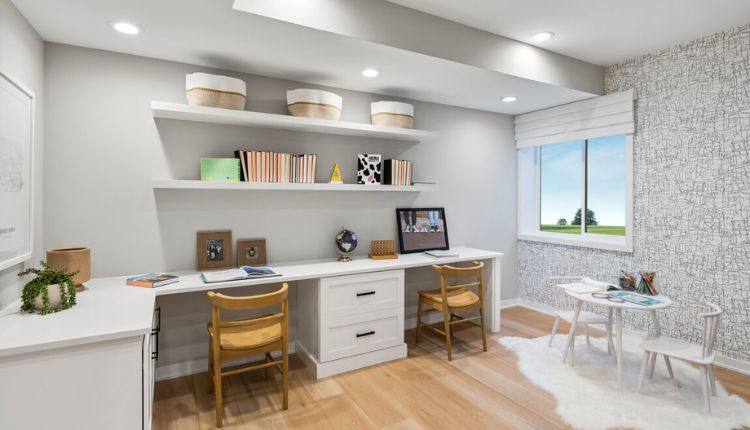
In today’s fast-paced world, remote work has become a staple for many professionals, offering flexibility and the chance to blend career ambitions with family life. However, this shift isn’t without its challenges, especially for parents who must juggle deadlines, virtual meetings, and the demands of raising children all under one roof. Creating a harmonious home office isn’t just about having a quiet corner; it’s about fostering an environment where productivity thrives alongside family bonds.
This article explores practical strategies to balance telecommuting with parenting, from designing functional workspaces to maintaining mental well-being. Whether you’re a seasoned remote worker or new to this setup, these tips can help you build a sustainable routine that benefits everyone in the household. By addressing key areas like workspace organization, time management, and emotional health, you’ll discover ways to make remote work a positive experience for your family.
Ergonomic Designs for Your Home Office
Setting up an ergonomic home office is essential for long-term comfort and efficiency, particularly when parenting duties can interrupt your flow. Start with choosing the right chair—one that supports your lower back with adjustable height and armrests to prevent strain during extended sitting periods. Pair it with a desk at elbow level to maintain proper posture, reducing the risk of neck or shoulder pain. Lighting plays a crucial role too; natural light from a window can boost mood and alertness, but supplement it with adjustable lamps to avoid glare on screens.
Consider the layout of your space to minimize distractions. Position your desk away from high-traffic areas like the kitchen or playroom, perhaps in a dedicated room or a partitioned corner. Add storage solutions such as shelves or drawers to keep work materials organized and out of reach from curious little hands. For families with young children, incorporate child-safe elements like cord covers to prevent accidents.
Invest in quality peripherals: a large monitor to ease eye strain, a keyboard and mouse that fit your hands comfortably, and perhaps a standing desk converter for alternating positions. Plants can enhance the aesthetic while improving air quality, creating a calming atmosphere. Remember, an ergonomic setup isn’t a one-time task—regularly assess and tweak it based on your needs. Parents often find that a well-designed space not only boosts productivity but also sets a positive example for kids about self-care and organization.
To make your home office truly family-friendly, think about multifunctional furniture. A foldable desk can double as a craft table after hours, blending work and play seamlessly. Acoustic panels or noise-canceling headphones can help drown out household sounds, allowing focus during calls. By prioritizing ergonomics, you’re investing in your physical health, which in turn supports your ability to be present for your family.
Boundary-Setting Techniques
Establishing clear boundaries is key to preventing work from spilling into family time and vice versa. Begin by communicating your work schedule to your household, using visual aids like a shared calendar on the fridge or a digital app everyone can access. This helps children understand when you’re “at work” even if you’re home, reducing interruptions.
Designate specific signals for do-not-disturb periods, such as a closed door or a fun sign that says “Mom’s in a Meeting—Superhero Mode Activated!” For older kids, explain the importance of these boundaries in age-appropriate terms, encouraging empathy and respect. Reward positive behavior with quality time later, reinforcing the system.
Incorporate buffer zones in your day—short breaks to check on the family or handle quick tasks. This prevents resentment from building up and keeps connections strong. If possible, involve a partner or caregiver in sharing responsibilities during peak work hours.
Technology can aid boundaries too; use apps that block non-essential notifications during focused work blocks. Set auto-replies on emails to manage expectations from colleagues about your availability as a parent.
Ultimately, boundaries are about balance. Be flexible when emergencies arise, but consistent in upholding them to maintain harmony. Parents who’ve mastered this report feel more in control and less guilty about dividing their attention.
Child Engagement During Work Hours
Keeping children occupied while you work remotely requires creativity and planning to ensure they’re safe, stimulated, and not feeling neglected. Start with age-appropriate activities: for toddlers, sensory bins with safe toys; for school-age kids, educational apps or puzzles that align with their interests.
Rotate toys and activities weekly to keep things fresh, preventing boredom. Set up a “work buddy” station near your desk with books, coloring supplies, or quiet games, allowing supervision without constant interaction.
Incorporate learning elements, like online storytimes or virtual museum tours, to make screen time productive. For outdoor options, if your setup allows, encourage backyard play with timers to signal when it’s time to check in.
Building independence is crucial—teach kids simple tasks like preparing snacks or organizing their space, fostering skills while giving you breathing room.
When managing routines for children with specific needs, resources like a Houston ABA therapy center can provide tailored strategies for structured behavioral support in home settings, helping families create predictable daily patterns.
Encourage peer interactions through scheduled video calls with friends or cousins, mimicking social time they’d get at school. Always prioritize safety by childproofing areas and having emergency contacts handy.
Schedule Hacks for Productivity
Mastering your schedule as a remote-working parent can turn chaos into a smooth rhythm. Use time-blocking: divide your day into chunks for work, family, and self-care, color-coding them in a planner for visual clarity.
Prioritize tasks using the Eisenhower Matrix—categorize them by urgency and importance to focus on what matters most. Batch similar activities, like answering emails in one go, to minimize context-switching.
Incorporate the Pomodoro technique: work for 25 minutes, then take a 5-minute break to stretch or interact with kids, maintaining energy levels.
Flexibility is vital; build in buffer time for unexpected parenting moments, like helping with homework. Sync your schedule with your child’s routine—align deep work with their nap or school hours.
Tools like Google Calendar or Trello can help track progress and share updates with family members. Review your week every Sunday to adjust for upcoming events.
These hacks not only boost output but also model time management for your children, turning family dynamics into a team effort.
Productivity Tools for Remote Workers
Equipping yourself with the right tools can elevate your remote work game while managing family life. Project management apps like Asana or Monday.com help organize tasks, set deadlines, and collaborate with teams seamlessly.
For communication, Slack or Microsoft Teams keep you connected without endless email chains, with features for quick check-ins.
Time-tracking software such as Toggl reveals where your hours go, aiding in better allocation between work and home.
Cloud storage like Google Drive ensures files are accessible anywhere, perfect for parents on the move.
To enhance lead generation for your remote business, consider webinars and custom website features; partnering with a digital marketing agency can optimize these for better client outreach and growth.
Automation tools like Zapier connect apps to streamline repetitive tasks, freeing up time for family.
Choose tools that integrate well and offer mobile versions for flexibility. Regularly update and train on them to maximize benefits.
Mental Health Checks for Remote Parents
Maintaining mental health is crucial when remote work blurs lines between professional and personal life. Start with daily check-ins: journal your feelings or use apps like Headspace for guided mindfulness to stay grounded.
- Recognize burnout signs—irritability, fatigue—and address them early with breaks or hobbies.
- Build a support network: join online parent groups or forums to share experiences and tips.
- Exercise regularly, even if it’s a family walk, to release endorphins and strengthen bonds.
- Set realistic expectations; it’s okay if not every day is perfect. Practice self-compassion.
- If stress persists, seek professional help like therapy sessions tailored for working parents.
- Incorporate fun rituals, like evening debriefs with your family, to process the day positively.
- Prioritizing mental health ensures you’re at your best for both work and loved ones.
Conclusion
Navigating remote work and family dynamics requires patience, creativity, and ongoing adjustments, but the rewards—a flexible lifestyle and deeper family connections—are worth it. By implementing ergonomic designs, boundary techniques, engagement strategies, schedule hacks, tools, and mental health practices, you can create a home office that supports both your career and your loved ones. Remember, every family is unique, so experiment to find what works best for yours. Embrace the journey, celebrate small wins, and know that you’re not alone in this evolving work landscape.