






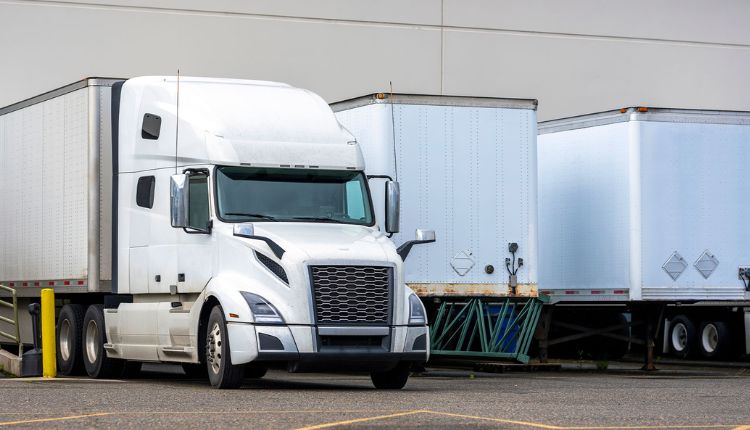
Small businesses often grow in small steps. A new client here. A bigger order there. Then one day, the back of your pickup looks like a balancing act designed by optimism rather than physics. That is usually when a commercial trailer enters the conversation.
A trailer does more than add space. It adds capacity. It changes how much you can carry, how far you can travel, and how many jobs you can accept in a single day. Growth in business rarely comes from one dramatic move. It often comes from tools that remove limits quietly and consistently.
More Capacity Means More Opportunity
When you operate with limited hauling space, you turn down work without realizing it. You decline larger orders. You schedule multiple trips. You rent equipment because transport feels complicated. Getting started now by looking for a commercial trailer removes those barriers.
With additional capacity, you can carry more materials in one run. Landscapers transport bulk supplies without repeat trips. Contractors move tools and equipment together instead of staging them across days. Event companies load décor, tables, and gear at once. Time saved on logistics becomes time spent earning revenue. Efficiency translates directly into profit. Less driving. Less fuel. More completed projects.
Professional Appearance Builds Trust
First impressions matter in small business. Showing up with a well maintained commercial trailer signals preparation. It tells clients you are organized and equipped. That impression influences confidence before work even begins. A branded trailer also acts as mobile advertising. Every mile becomes exposure. Parked at a job site, it reinforces your presence. Unlike digital ads that disappear in seconds, a trailer remains visible for hours. Marketing and transport combine into one asset. Clients trust businesses that look established. A trailer helps create that image.
Flexibility Supports Growth
Small businesses often pivot as demand shifts. One season may focus on residential work. Another may bring larger commercial projects. A versatile trailer supports that shift without requiring major reinvestment. Enclosed trailers protect tools and materials from weather. Flatbeds handle oversized equipment. Utility trailers serve everyday needs. Choosing the right type allows a business to expand services without scrambling for transport solutions each time a new opportunity appears. Flexibility keeps growth smooth instead of stressful.
Cost Control and Long-Term Value
Renting hauling solutions works in the short term. Over time, the costs add up. A purchased trailer spreads expense across years of use. Maintenance remains manageable compared to repeated rental fees. Depreciation also plays a role. Well-maintained trailers hold value. If business needs change, resale often returns a meaningful portion of the investment. The asset remains useful even beyond its original purpose. Financial planning becomes easier when transport costs stay predictable.
Reducing Daily Friction
Small operational problems consume energy. Multiple trips between job sites. Tools left behind because space ran out. Materials arriving late due to transport limits. A commercial trailer reduces these daily frustrations. Less friction improves morale. Crews work more efficiently. Owners spend less time coordinating logistics and more time focusing on growth strategies. That shift may feel subtle, but it compounds quickly.
Commercial trailers play a practical yet powerful role in small business growth. They expand capacity, improve efficiency, strengthen brand image, and support flexibility. The impact appears in saved time and increased opportunity. Growth does not always require new staff or new markets. Sometimes it begins with better equipment. When your hauling capacity matches your ambition, the business moves forward with fewer limits and far fewer awkwardly balanced loads.