






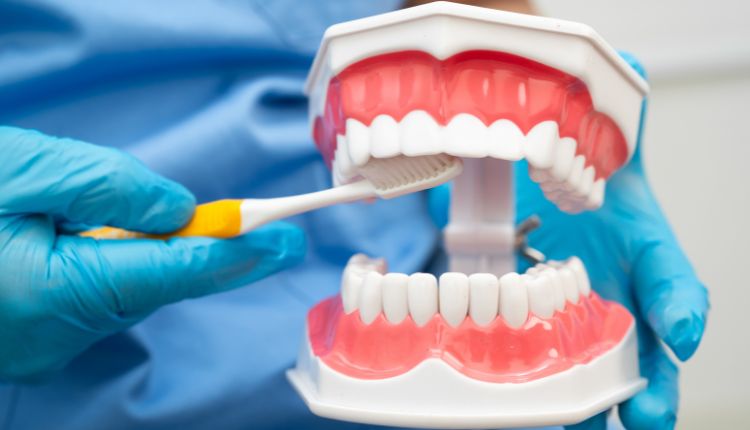
Oral health should not depend on your zip code, income, or race. Yet many people still live with pain, missing teeth, and infections that could have been stopped early. Preventive dentistry changes this story. Regular cleanings, simple screenings, fluoride, and sealants protect your mouth before problems grow. They also save money, time, and fear. When you see a dentist in Monterey Park CA or in any town, you deserve the same standard of care as anyone else. This blog explains how preventive care can shrink the gap between those who receive early help and those who do not. It shows how schools, clinics, and community programs can use basic tools to reduce suffering. It also offers clear steps you can take to protect your own mouth and support others who face barriers to care.
Why oral health inequalities exist
Oral disease is common. It harms work, school, sleep, and self respect. Yet it does not affect every group in the same way. Children and adults in low income homes lose more teeth and face more infections. People of color often wait longer for care and receive fewer preventive services.
Three forces drive this gap.
- Cost. Many families cannot afford regular checkups or do not have dental insurance.
- Access. Some neighborhoods have no clinic nearby or no dentists who accept public coverage.
- Trust and information. Past neglect, fear, and lack of clear guidance keep many away from care.
These forces create a cycle. Problems grow in silence. Pain becomes normal. Teeth are pulled instead of saved. Preventive dentistry breaks this cycle.
What preventive dentistry includes
Preventive dentistry is simple. It focuses on stopping disease before it starts or before it gets worse. It uses common tools and daily habits that work for nearly everyone.
- Regular checkups and cleanings
- Fluoride toothpaste and fluoride treatments
- Dental sealants for children and teens
- X rays only when needed
- Nutrition and brushing guidance
- Support to quit smoking or vaping
These steps look small. Yet they protect teeth for decades. They also reduce the need for root canals, extractions, and emergency visits that drain savings and energy.
How prevention reduces the gap
Preventive care works best when it reaches people early and often. That is how it reduces oral health inequalities.
First, it cuts the number of new cavities and gum infections. This protects children in low-income homes who face a higher risk. The Centers for Disease Control and Prevention reports that children from low-income families have more than twice the number of untreated cavities in primary teeth compared with children from higher-income families. Sealants and fluoride narrow this difference.
Second, it reduces the need for costly treatment. A cleaning with sealants costs much less than fillings and extractions. When public programs cover prevention, more families stay healthy and avoid debt.
Third, it brings care into trusted spaces. School-based programs, mobile clinics, and community health centers reach people who rarely see a private dentist. This contact builds trust and understanding across years.
Evidence that prevention works
Data from public health agencies show clear gains when prevention reaches more people. The table below uses sample numbers to show how simple steps can change outcomes in one group of children over five years.
Sample impact of school-based preventive care over five years
| Measure | No preventive program | With sealants and fluoride
|
|---|---|---|
| Children with at least one cavity | 60 out of 100 | 30 out of 100 |
| Children with untreated decay | 40 out of 100 | 15 out of 100 |
| Emergency dental visits | 25 per 100 children | 8 per 100 children |
| Average school days missed for dental pain | 3 days per child | 1 day per child |
These numbers mirror patterns seen in national surveys. The National Institute of Dental and Craniofacial Research reports fewer cavities and less tooth loss when people receive fluoride and regular care.
Steps you can take for your family
You can protect your mouth and help close the gap for others. Focus on three basic routines at home.
- Brush twice each day with fluoride toothpaste. Spit. Do not rinse.
- Clean between teeth once each day with floss or small brushes.
- Drink water. Limit drinks and snacks with sugar.
Next, set a regular schedule with a trusted dentist. If cost is a concern, call community health centers or school-based clinics. Many offer sliding fees or accept public coverage for children and adults.
You can also ask direct questions.
- Does my child qualify for dental sealants
- How often do we need fluoride treatments
- What signs of early decay should we watch for
Clear answers help you act early instead of waiting for pain.
How communities can respond
Reducing oral health inequalities is a shared duty. You can support change in three simple ways.
- Support water fluoridation when public health experts recommend it.
- Ask schools to host free screening or sealant days.
- Speak up when local plans ignore dental care needs.
Faith groups, youth programs, and senior centers can share brushing kits and clear messages about prevention. Local leaders can bring mobile dental units to shelters and rural towns. Each step places care closer to those who need it most.
Moving toward fair oral health for all
Preventive dentistry will not erase every barrier. Yet it gives every child and adult a fairer chance at a strong mouth and a steady life. When you choose routine care, support community programs, and ask for equal standards, you help close a long-standing gap. You also protect your own comfort, speech, and smile.
Oral health should not be a luxury. It should be a shared promise. Prevention is how you keep that promise for yourself and for others who carry the weight of unequal care.