






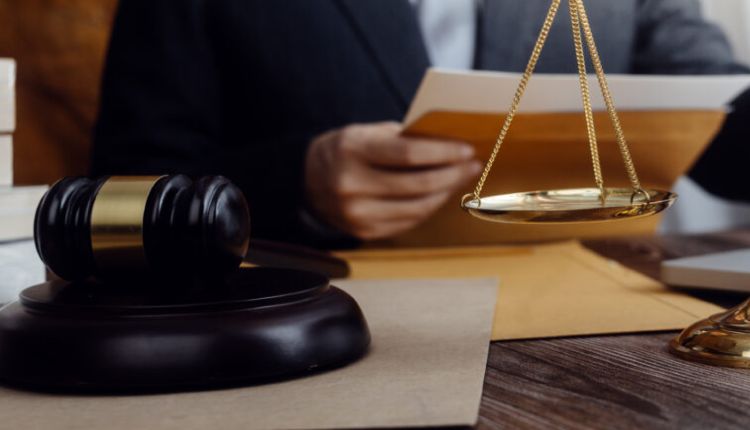
The criminal justice system is a very complex structure, which also has in place very specific procedures that the average person has a hard time getting through by him or herself. Upon being charged with a crime, the process that transpires includes investigation, filing charges, and holding hearings and may also include a trial. In this setting defense attorneys play a key role in upholding individual rights and also in seeing to it that the law is applied fairly and equally.
Defense lawyers are a type of professional, which includes those that represent individuals who are at present in the criminal justice system. Also, what they do goes way beyond what happens in the courtroom, and in many cases, they get involved before the trial even begins. Also, it is a great part of what they do to see that the accused is made aware of the charges brought against them and the penalty that may be had should they be found guilty.
Protecting Constitutional Rights
A defense attorney’s primary duty is to protect constitutional rights. This includes the right to remain silent, the right to a fair trial, protection from illegal search and seizure, and due process. It is seen that attorneys review very closely how evidence was obtained and that law enforcement followed proper procedure. Should they at any point find a violation of rights, the defense may ask to suppress that which is improperly obtained.
This is an issue that is seen as a factor in upholding the justice system’s accountability. When procedures are run as they should, results are more so in line with the law. When they don’t, which is rare, defense attorneys step in as that corrector.
Case Evaluation and Legal Strategy
Another key role of defense attorneys is that they evaluate the strength of the case. This includes review of police reports, witness statements, forensic evidence, and charging documents. Attorneys look at what the prosecution has, which will put their case beyond a reasonable doubt, which in criminal cases is very high.
Based on this study that was done, it is seen that attorneys put forth legal strategies that are tailored to the issue at hand. This may include the presentation of evidence that is questionably sound, cross-examination of witnesses that aims to damage their credibility, or bringing to light procedural breaks. Also in play are statutes, case law that is present, and the past trend of the court in which they are being sued or putting forth their case.
Negotiations and Plea Discussions
In most cases it is not seen as a trial. In fact, many are settled out of court through the defense and prosecution’s discussion. Defense attorneys in these talks are trying to achieve what is in the best interest of their client. This may include getting charges reduced, alternative sentencing options, or having some counts dropped.
Effective negotiation involves having in-depth knowledge of criminal law, sentencing guidelines, and long-term results of what may happen legally. Also, attorneys put the time in to help explain which way a deal will go for the client, so choices are out in the open and not forced upon them.
Court Representation and Advocacy
In court when a case proceeds, there is the role of the defense attorney, which is that of an advocate at hearings and trials. They put forth arguments, cross-examine witnesses, and question the prosecution’s case. It is not the defense attorney’s place to determine guilt or innocence but to see that the legal process is fair and the prosecution proves its case.
Courtrooms require that advocates be prepared, well versed in the law, and able to think critically on their feet. Attorneys must react to issues as they arise yet at the same time comply with procedural rules and ethics.
Advising Clients Beyond the Courtroom
Defense attorneys also play a role that goes beyond what is seen in the courtroom. They may put in time to explain legal terms, go over what may happen, and work with the client to present the case in a way that also thinks about post-trial issues like job loss, home loss, or what is to come. Legal issues don’t end at the close of a trial, and the best advice can play a large role in what happens to a person down the road.
In certain situations attorneys also provide advice on post-conviction options, which include appeals and record-related remedies, which are to be determined by the legal framework in question.
Why Legal Representation Matters
The justice system is meant to be fair, but in practice it is complex. Laws change, procedures are rigid, and a small error may have a great impact. Defense attorneys play a role in this by seeing that the system is level for all participants and that no one goes at it alone.
Comprehending what defense attorneys do gives greater insight into the function of legal systems and also why representation is at the base of justice. For general legal info related to criminal defense and legal rights, resources like David L Moss may also present alternative views.
Conclusion
Defense lawyers are an integral part of the criminal justice system, which they do so by upholding rights, reporting fair procedures, and giving out informed legal advice. In that capacity they support not only individual clients but the process of law as a whole. By which the public may better see how justice is administered through structured legal advocacy instead of assumption or bias.