





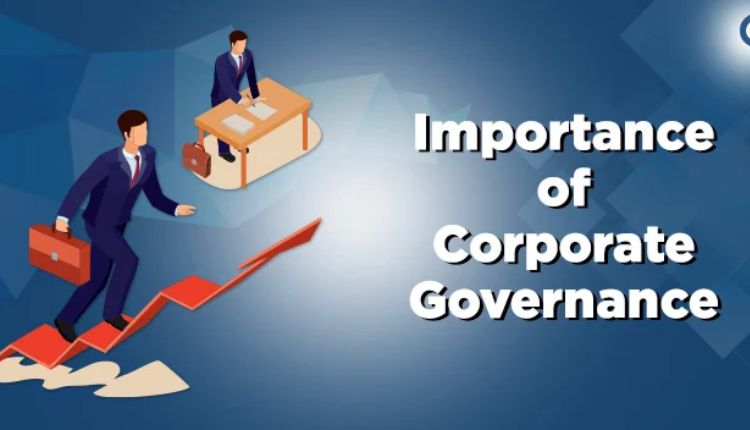
Corporate governance can protect or destroy a company. You face pressure from investors, regulators, and the public. Mistakes in reporting, tax, or oversight can trigger fines, audits, and shame. This is where certified public accountants matter. They do more than file taxes. They help you build clear rules, honest reports, and steady controls. They ask hard questions that others avoid. They spot weak checks before they turn into scandals.
They keep your board informed and your numbers clean. Norwood CPA and others like them give you independent eyes on risk, fraud, and waste. They support audit committees, test systems, and review every key statement. You gain a record that can stand up to regulators and courts. You also gain trust from staff and investors. Without strong CPAs, corporate governance becomes guesswork.
What Corporate Governance Really Means For You
Corporate governance is how your company is controlled and checked. It covers who makes decisions, who approves them, and who reviews the results. It affects your board, your managers, and your staff.
Strong governance gives you three things.
- Clear roles and duties
- Honest and timely information
- Checks that stop abuse and fraud
Weak governance does the opposite. It hides risk. It confuses roles. It lets one loud voice control the story. History shows that many corporate failures start with weak controls and false numbers. You can prevent that. You start with clean books and strong checks.
The Core Roles Of CPAs In Governance
CPAs protect your company in three direct ways.
- They keep your books honest. CPAs design and review your accounting systems. They help you follow rules set by bodies such as the U.S. Securities and Exchange Commission. They make sure your numbers match your real activity.
- They support your board and audit committee. CPAs prepare reports that board members can read and use. They brief directors on risk, trends, and strange changes. They help the audit committee ask clear questions and demand straight answers.
- They test your controls and guard against fraud. CPAs review who can approve payments, who can change records, and who can access cash. They look for gaps that could invite theft, waste, or abuse.
These duties help you follow the law. They also help you keep a promise to staff, investors, and the public. You show that you treat money and trust with care.
Why Independent CPA Oversight Matters
Independence is not a detail. It is a shield. When a CPA is independent, that person can speak hard truths without fear. You gain a voice that is not tied to bonuses or office politics.
Independent CPAs help you.
- Spot conflicts of interest
- Challenge risky deals before you sign
- Correct weak reporting habits that others ignore
Regulators stress this point. The Public Company Accounting Oversight Board sets standards that center on independence and professional care. When you use CPAs who follow these standards, you gain a shield in any review or audit.
How CPAs Strengthen Your Daily Controls
Good governance is not only a yearly audit. It is a daily habit. CPAs help you build that habit into your routine.
You can expect support in three common areas.
- Cash and payment controls. CPAs help set clear rules for who can approve, record, and review payments. They push for shared duties so no one person controls the full flow of money.
- Reporting and disclosure. CPAs design monthly and quarterly reports that match your risks. They make sure you report loss, debt, and major deals with plain and honest numbers.
- Risk assessment. CPAs help you list your top risks, rank them, and track them. That list guides board meetings and staff training.
These steps protect your company from shocks. They also protect workers whose jobs depend on steady and lawful operations.
CPAs Versus Other Finance Roles
You may wonder why you need CPAs when you already have a finance team. Each role serves a different purpose. The table below shows a simple comparison.
| Role | Main Focus | Key Strength For Governance
|
|---|---|---|
| Bookkeeper | Record daily transactions | Accurate entry of bills, payroll, and receipts |
| Controller | Manage internal accounting staff | Oversee processes and monthly closes |
| Chief Financial Officer | Plan strategy and funding | Link financial plans to business goals |
| CPA (internal or external) | Provide independent checks and expert standards | Test controls, guide compliance, and support the board |
Each role helps your company. Yet only CPAs carry a license that depends on strict rules, exams, and ongoing training. That license gives you extra protection when you face regulators, banks, or courts.
Benefits For Families, Workers, And Communities
Corporate governance may sound distant to many families. It shapes daily life more than people think. When a company fails due to fraud or weak controls, workers lose jobs and savings. Local shops lose customers. Families feel stress and fear.
CPAs help reduce that risk. When they support honest reports and strong checks, they protect.
- Retirement savings that depend on company stock
- Jobs that support rent, food, and school
- Public trust in local employers
Strong governance tells workers and families that leadership respects them. It shows that leaders will not hide losses or gamble with people’s futures.
Practical Steps You Can Take With CPAs
You can use CPAs more effectively with three clear steps.
- Set a direct line to the board. Give your CPA access to the audit committee without filters. That access lets issues surface early.
- Ask for plain language. Require reports that use clear words and clear charts. If you cannot explain a number, you cannot defend it.
- Review controls every year. Work with your CPA to test controls at least once a year. Treat each finding as a chance to fix and improve.
These steps do not need large budgets. They need attention and follow through. Over time they create a culture where truth is normal and coverups are rare.
Closing Thought
Corporate governance is not only a board duty. It is your duty as a leader, worker, or owner. CPAs give you tools and checks that protect what you build. When you use their skills with care, you reduce risk, protect families, and keep trust strong.