






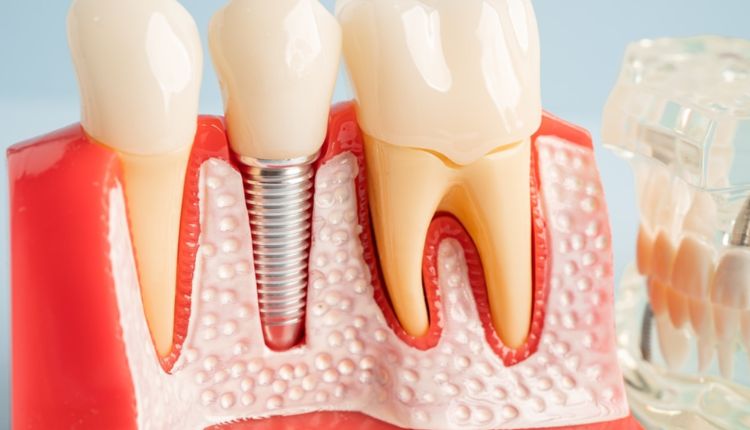
Early action protects your mouth, your comfort, and your money. When you wait on a damaged tooth, infection, or missing tooth, small problems grow into painful emergencies. Early intervention in oral surgery and implant dentistry stops that spiral. You keep more of your natural bone. You face shorter procedures. You reduce the risk of infection and repeat treatment. For many patients, this means fewer missed workdays and less stress at home. It also means you keep your ability to chew, speak, and smile with confidence. If you need oral surgery in New Braunfels, TX, you deserve clear answers and a direct plan. This blog explains how acting soon changes everything. You will see how timing affects bone loss, healing, and implant success. You will also learn what signs you should never ignore and when to call for help.
Why timing matters for your teeth and gums
Your mouth never stays the same. A small crack, sore gum, or loose tooth can change fast. When you act early, you keep control. When you wait, your body responds in harsh ways.
Research shows that untreated decay and gum disease raise the risk of tooth loss and infection. The Centers for Disease Control and Prevention explains that gum disease is linked to heart disease and diabetes. Early care protects more than your smile. It protects your body.
Think about three simple truths.
- Problems spread from one tooth to another.
- Bone shrinks after tooth loss.
- Pain grows as infection grows.
When you act at the first sign of trouble, treatment stays smaller and more focused. You also have more choices for care.
How early intervention protects your jawbone
After you lose a tooth, the bone that held the root starts to shrink. This process starts within weeks. It continues for years. Without the force of chewing on that root, your body removes bone it thinks you do not need.
Quick action can change that pattern. You have three main paths.
- Place a dental implant soon after removal.
- Add bone graft material to support the site.
- Protect nearby teeth, so they stay strong.
Dental schools teach that earlier implants often need less grafting and support. That means fewer visits and less healing time. It also means your future dentures or bridges fit better because your jaw keeps its shape.
Early implants versus delayed implants
This simple comparison shows how timing can change your care plan. These are general patterns. Your own case may differ.
| Factor | Early implant placement | Delayed implant placement
|
|---|---|---|
| Bone support | More natural bone present | More bone loss over time |
| Need for bone graft | Less likely or smaller graft | More likely or larger graft |
| Treatment time | Fewer total visits | Extra steps and longer timeline |
| Cost over time | Lower long term cost | Higher long term cost |
| Impact on nearby teeth | Protects neighboring teeth | More wear and stress on neighbors |
| Chewing and speech | Restored sooner | Longer period with missing tooth |
Quick action will not fit every case. Yet in many mouths, early placement gives a stronger base and a simpler plan.
Signs you should not ignore
You may feel tempted to wait when a problem seems small. That choice often leads to more severe pain or more complex surgery. Call your oral surgery or dental team if you notice any of these signs.
- Tooth pain that lasts more than one day
- Swelling in your face or jaw
- Gums that bleed when you brush or floss
- A tooth that feels loose or moves
- A sore that does not heal within two weeks
- Bad taste or smell from one tooth or site
- Cracks or chips in a tooth
Early visits do not always lead to surgery. Sometimes a small filling, cleaning, or bite adjustment ends the problem. That is the goal.
How early care reduces pain and stress
Many people fear oral surgery and implants. That fear leads to delay. The delay then leads to bigger problems that need more involved care. It becomes a cycle.
When you act early, you usually face:
- Shorter time in the chair
- Less swelling and bleeding
- Smoother healing
Early treatment also helps your family. You miss fewer school or work days. You avoid late-night emergencies. You reduce the chance of hospital visits for severe infections.
The National Institute of Dental and Craniofacial Research highlights the cost of untreated oral disease and its impact on daily life. Quick care protects your daily routine and your sense of control.
Protecting children and teens through early action
Children and teens often hide tooth pain. They may fear treatment or feel embarrassed. Parents can watch for three key warning signs.
- Loss of focus in school or sports
- Avoidance of cold or hot foods
- Swelling or redness around a tooth
Wisdom teeth also play a large role in teen oral surgery. Early reviews with X-rays help your provider plan removal before roots grow near nerves or sinuses. That timing can reduce the risk of nerve injury and infection. It can also cut days of swelling.
Planning your next step
You do not need to wait for severe pain to seek help. If you feel unsure about a tooth, implant, or sore gum, schedule a check. Ask clear questions.
- What happens if I wait three months
- What are my choices if I act now
- How will this affect my bone, gums, and other teeth
Early intervention in oral surgery and implant dentistry is about respect for your future self. You protect your chewing. You protect your speech. You protect your confidence. Acting now is not about fear. It is about steady, calm care that keeps small threats from turning into life-changing problems.