






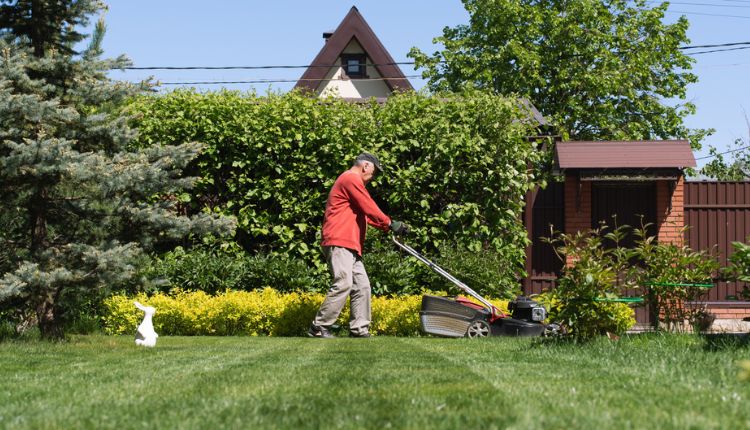
Most people mow their lawn when it starts to look wild. The neighbours give it a sideways glance, you dig out the mower, do the deed, and forget about it for another month.
It’s not a terrible system, but it’s leaving a lot on the table.
Mowing frequency, not just technique, is one of the most important variables that determines whether your lawn thrives or just survives. Here’s why getting it right changes everything.
Train Your Grass to Grow Thicker
This one surprises people: cutting your grass more often makes it grow denser, not thinner.
Every time you mow, the grass responds by pushing out new lateral shoots, spreading sideways rather than just upwards.
Do that consistently, and you’ll end up with a dense, lush surface that looks far healthier than grass that’s left to grow long and then cut back too short.
Think of it like pruning a hedge. Regular, small cuts encourage fullness. Infrequent, aggressive ones leave it struggling to recover.
That density also means the grass develops a stronger, deeper root system over time. Deeper roots access more moisture and nutrients from the soil, which makes your lawn more resilient during dry spells.
So, you can enjoy a healthier, more beautiful outdoor space all year, without doing anything extra.
Crowd Out the Weeds
Most people reach for the weed killer at the first sign of trouble. What they don’t realise is that a consistent mowing routine would have stopped most of it before it started.
A thick, well-mowed lawn leaves very little room for weeds to establish themselves. Dandelions, clover, and crabgrass all need light and space, and dense grass simply denies them both.
When you mow infrequently and let the grass grow long between cuts, it thins out. Gaps appear, and weeds, being the opportunists they are, move straight in.
Regular mowing also stops weeds from reaching the stage where they flower and spread seeds across your lawn.
Just keep your grass thick, mow at a steady height, and you’ll create a natural barrier that does most of the weed control for you—no extra products required.
Stop Hosting Squatters
When you let your grass grow long, you create the exact conditions that pests and fungus need to take hold.
Long grass traps moisture near the soil, especially after rain or morning dew. If you’ve ever noticed patches that look suspiciously soggy or slightly yellowing, that damp base layer is often the reason. And when there’s moisture, fungal and mould problems aren’t too far behind.
Long grass also creates cover. Slugs, leatherjackets, and other root-munching pests prefer somewhere shaded and undisturbed. Leave your lawn shaggy for too long, and you’ve basically provided them with a quiet little bungalow.
Mowing frequently keeps the air circulating at ground level, the surface drier, and the environment far less hospitable to anything you don’t want living there.
It’s one of the cheapest forms of pest and disease prevention available, and most people don’t even realise they’re doing it.
Break the Boom-and-Bust Cycle
When grass gets too long, and you finally cut it, you’re forced to remove more than the recommended third of the blade in one go.
That stresses the plant, weakens the roots, and often results in yellow or brown patches that need time and sometimes extra treatments to recover.
Those treatments add up. Lawn feed, weed killer, and seeds aren’t expensive on their own. But together, over the course of a season, those small fixes turn into extra costs you could’ve gone without if your mowing schedule had stayed consistent in the first place.
Your mower pays the price, too. Thick, overgrown grass forces the engine and blades to work much harder than they would with regular, lighter cuts.
That extra strain means more fuel used, duller blades, and a machine that wears out sooner than it should.
How Often Should You Mow?
Now that you know why frequency matters, here’s how to find the right schedule for your lawn.
The golden rule is the one-third rule: never remove more than a third of the grass blade in a single cut. This keeps the plant healthy and prevents the stress that leads to patchy, pale grass.
If you’ve let things get away from you, reduce the height gradually over two or three cuts instead of going all in at once.
Beyond that, let the season guide you. In spring, when growth is fast, most lawns need cutting every five to seven days.
In summer, growth usually slows. Mowing every ten to fourteen days is often enough, and during dry spells, it helps to leave the grass slightly longer. A bit of extra height will shade the soil and help the roots cope with heat and limited moisture.
By autumn, mowing every couple of weeks is generally sufficient. As temperatures drop and growth tapers off, ease back and finish with one final tidy cut before winter.
Your grass type matters here, too. Cool-season grasses, like fescue and ryegrass, grow fastest in spring and autumn. If you’ve got a warm-season variety, it’ll peak in summer and need more attention then.
The key is responding to how fast your grass is actually growing, rather than sticking to a fixed calendar date regardless of conditions.
Calendar-Based Care vs Growth-Based Care
If you’d rather hand this off to someone else, keep in mind that professional gardening services vary enormously in how they approach lawn mowing frequency.
Some will show up on a fixed schedule every week, year-round, whether your grass needs it or not. Others will tailor their visits to the season and your specific grass type, cutting more in spring and scaling back as growth slows.
Ask any service you’re considering how they adjust their frequency across the seasons. If they give you a blank look or a rigid weekly rota, that’s your sign to look elsewhere.
A good professional treats frequency as a variable, not a given.
Conclusion
Most lawn problems aren’t caused by bad soil or the wrong products; they’re caused by mowing at the wrong times or not often enough.
Get the frequency right, and your lawn will reward you with lush density, fewer weeds, better disease resistance, and lower long-term costs.
So, the next time you’re tempted to leave it another week because it doesn’t look that bad yet, remember this article. Your lawn is quietly keeping score.