






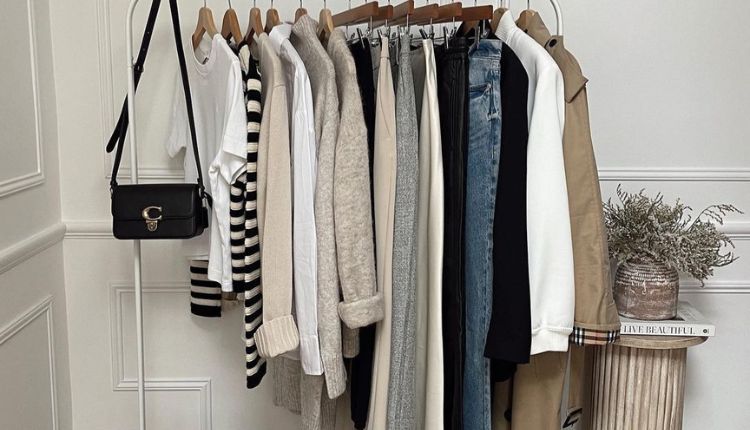
The Appeal of Simplicity in Fashion
Minimalist wardrobes have captured the imagination of style-conscious individuals looking to simplify their lives and reduce the stress typically associated with fashion. In a world overwhelmed by choices, many people are finding relief in paring down their closets and investing in essentials that offer both function and timeless style. The concept of having a closet filled only with items you truly love and consistently wear is incredibly freeing for many. It relieves the daily dilemma of “what should I wear?” and streamlines the morning dressing process. Rather than feeling the constant pressure to follow fleeting trends, individuals who embrace minimalism tend to develop a stronger sense of personal style that truly reflects their preferences.
Ease of coordination and a consistently polished look are among the primary reasons for this shift. Many people who switch to minimalist wardrobes find that their clothing combinations look effortlessly put together, even with fewer garments. Leveraging the power of online personal styling services can be an excellent way for those starting out to identify versatile pieces that suit their preferences and lifestyles, making the transition far less overwhelming.
The move toward minimalism in fashion is also a response to the constant cycle of fast fashion trends. By choosing fewer, better pieces, individuals discover more confidence in their appearance and clarity in their clothing choices. Minimalism cuts through the noise of prevailing trends, encouraging consumers to identify what they genuinely like rather than what’s simply popular for the season. This simplicity can feel refreshing and empowering, especially as visual “clutter” in the wardrobe is replaced by streamlined options. For many, it’s a journey of discovering that less can truly be more—not only in clothes but also in how these choices influence daily life and mood.
Psychological Benefits of a Minimalist Wardrobe
A significant appeal of a minimalist wardrobe lies in its positive psychological impact. As reported by leading mental health experts, simplifying personal spaces, including one’s wardrobe, can reduce decision fatigue and stress. With fewer yet higher-quality pieces to choose from each day, mornings become less rushed and more intentional. Over time, this leads to a greater sense of calm and control, supporting overall mental well-being. Many individuals find that paring down their wardrobes can be a form of self-care, giving them more time and mental energy for what truly matters in their lives.
Alongside this reduced stress, many people find that a minimalist wardrobe helps align their values with their lifestyle. For example, people interested in mindful consumption can use their clothing choices to reinforce broader priorities such as sustainability and authenticity. Creating a wardrobe of loved, long-lasting pieces allows individuals to feel good about their impact on the world and to contribute to positive change, even in small ways. Minimalist dressing can ultimately become part of a larger journey toward intentional living and self-awareness.
Environmental and Ethical Considerations
The growing popularity of minimalist wardrobes is closely linked to concerns about the fashion industry’s environmental footprint. Fast fashion generates vast amounts of textile waste and exacerbates pollution, prompting more shoppers to adopt minimalist principles. When people choose to buy less but buy better, their impact extends beyond their own closets: it pushes the fashion industry, an industry notorious for its environmental and social costs, toward more responsible practices. Choosing to “buy less, buy better” not only limits waste, but also encourages the purchase of garments produced under fair labor conditions. As more consumers show interest in how and where their clothes are made, they help drive systemic change in manufacturing standards and supply chain transparency.
The New York Times style guide recommends investing in sustainable, ethically made staples as an effective step toward a cleaner wardrobe and a cleaner world. By selecting fewer high-quality staples, consumers not only reduce waste but also get much more mileage and value out of each item they own.
Economic Advantages of Minimalism
Building a minimalist wardrobe may require a larger up-front investment, but in the long run, it offers substantial economic savings. High-quality, timeless garments tend to withstand frequent wear and laundering, reducing the need for constant replacement. Instead of constantly chasing sales or seasonal must-haves, minimalist shoppers focus on purposeful investments. Over time, individuals find themselves spending less and making more intentional purchases, which results in a closet that feels both practical and financially sustainable. In fact, many who embrace this philosophy report a newfound sense of control over their spending and increased satisfaction with their choices. The shift to mindful, quality-focused shopping also helps curb the cycle of waste that drives the fast-fashion industry.
Influence of Social Media and Celebrity Endorsements
The rise of platforms such as Instagram and TikTok has had a particularly strong influence on minimalist fashion’s mainstream appeal. Influencers and celebrities with widely followed profiles often share the benefits of capsule wardrobes, inspiring millions to replicate the look. These social media personalities routinely post outfit diaries, “wardrobe tour” videos, and advice on curating timeless collections, helping to demystify the process and make it accessible. The prevalence of the “clean girl” aesthetic, anchored in neutral colors, basic silhouettes, and fuss-free styling, mirrors a broader attitude shift away from showy trends toward authenticity and simplicity. Social media also offers a sense of community for those interested in minimalism, where users swap tips and share the satisfaction of finding the perfect piece.
This pervasive trend is covered in depth by many media outlets, including Vogue, which shares tips on building a cohesive, minimalist closet. These high-visibility endorsements encourage audiences of all ages to reconsider their consumption habits, showing that minimalist dressing can be both aspirational and achievable.
Rise of Capsule Wardrobes
At the heart of minimalist fashion lies the capsule wardrobe: a tightly curated selection of essential items that can be mixed and matched in myriad ways. This approach maximizes outfit creation while minimizing excess. By limiting themselves to about 30 to 40 carefully chosen pieces per season, people discover not only greater variety in their daily looks but also relief from the sense of overwhelm that too many options can cause. Importantly, a capsule wardrobe promotes careful purchasing habits and encourages consumers to value versatility over quantity. Over time, this practice sharpens one’s understanding of what truly works for their lifestyle and personal taste.
Increasingly, people who try capsule wardrobes report finding renewed satisfaction in their fashion choices and a newfound appreciation for carefully chosen pieces that last for years. The process of culling and organizing a wardrobe can be transformative, bringing greater intention to everyday decisions and fostering a more conscious approach to how we present ourselves to the world.
Minimalism Across Demographics
While minimalist wardrobes are popular across all age groups, they are particularly prevalent among Millennials and members of Generation Z. These younger consumers, well known for prioritizing experiences over possessions, are also deeply aware of climate and social justice issues. For them, fashion is not just about self-expression, but also about making choices that align with greater, purpose-driven values. Data suggests they are driving a pervasive shift toward thoughtful fashion that favors simplicity and sustainability, encouraging even established brands to reconsider their production processes and environmental policies.
However, minimalism is far from exclusive to the young. Anyone can benefit from adopting a streamlined wardrobe, whether seeking an easier morning routine, a lower clothing budget, or a smaller environmental footprint. Retirees often turn to minimalism to facilitate travel or downsizing, while busy parents might embrace it to simplify hectic mornings. The trend’s broad demographic appeal underscores its power as a movement rather than a fleeting fad. The unifying factor is a desire for less clutter, more time, and greater control in daily life.
Final Thoughts
Minimalist wardrobes represent much more than a fashion trend; they are symbols of a cultural movement prioritizing simplicity, intentionality, and sustainability. As consumers make the switch to “less but better,” they benefit psychologically, financially, and ethically, reinforcing the idea that thoughtful consumption forms the bedrock of modern personal style. As minimalism’s popularity grows, it challenges both the fashion industry and individuals to rethink the true value of clothing. This movement signals a future in which fashion’s impact extends beyond aesthetics, making a quiet yet powerful statement about what truly matters.