






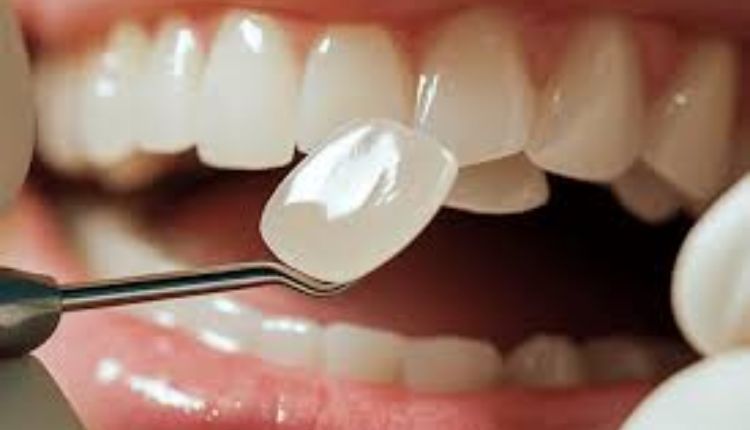
You want a brighter, smoother smile. You may think bonding, veneers, or whitening are the first step. They are not. Strong teeth and healthy gums must come first. Preventive dentistry protects you from hidden decay, bleeding gums, and infection that can ruin cosmetic work fast. It also cuts pain, surprise costs, and repeat visits. Many people skip basic cleanings and exams, then pay more when problems spread. A dentist in Santa Rosa, CA checks for cavities, cracks, and gum disease before any cosmetic change. Then treatment fits your mouth, not the other way around. Routine care like cleanings, fluoride, and sealants helps cosmetic work last longer. It also keeps your natural teeth stronger for life. This blog explains why preventive care is the first step before bonding, veneers, or whitening, and how it protects your smile, your time, and your money.
Why You Need Healthy Teeth Before Cosmetic Work
Cosmetic care changes how your teeth look. Preventive care protects how your teeth work. You need both. You also need them in the right order.
If you place bonding over a cavity, the decay keeps growing. If you put veneers on teeth with gum disease, your gums can pull back. Then the edges of the veneers show and trap food. If you whiten teeth with untreated cracks, the gel can reach the nerve and cause sharp pain.
First you fix the base. Then you build on it. That simple order helps you avoid three problems.
- Hidden disease under new work
- Short life of bonding, veneers, or whitening
- Higher cost from repairs and emergency visits
What Preventive Dentistry Includes
Preventive dentistry is any care that stops small problems from turning into big damage. It focuses on three steps.
- Regular cleanings to remove plaque and tartar
- Routine checkups with X-rays when needed
- Simple treatments like fluoride and sealants
The Centers for Disease Control and Prevention explains that early care cuts tooth loss and pain. Cleanings remove hardened buildup that you cannot brush off. Exams find small cavities, worn spots, and early gum disease.
Next, fluoride helps your enamel repair early damage. Sealants cover deep grooves in back teeth that trap food. Together, these steps keep your mouth stable and ready for cosmetic changes.
How Skipping Preventive Care Hurts Cosmetic Results
When you skip cleanings and exams, problems grow in silence. You may not feel pain until the damage is serious. Then cosmetic work becomes risky.
Here is what can happen.
- Whitening on teeth with untreated decay can cause strong sensitivity
- Bonding over weak enamel can chip and stain quickly
- Veneers on inflamed gums can lead to gum recession and dark lines
The National Institute of Dental and Craniofacial Research notes that gum disease is common and often painless at first. You might see light bleeding when you brush. You might ignore it. Then you add veneers. Later, your gums pull back and expose the edges. Repair costs more than the first treatment.
Comparison: Preventive First vs Cosmetic First
| Plan | Short Term Cost | Risk of Pain | Repair Likely | Average Life of Cosmetic Work
|
|---|---|---|---|---|
| Preventive care before cosmetic work | Higher at first | Low | Low | Longer |
| Cosmetic work without preventive care | Lower at first | High | High | Shorter |
You may feel tempted to choose the cheaper path. Yet that path often leads to repeat visits, root canals, and early replacement of veneers or bonding. The first plan costs more at the start but less over time.
How Preventive Care Protects Bonding, Veneers, and Whitening
Each cosmetic option needs a clean, steady base.
- Bonding needs dry, clean enamel. Plaque and tartar stop the resin from sticking well. Cleanings and early cavity repair help the bond stay firm.
- Veneers need healthy gums and enough enamel. Exams and X-rays confirm that your bite, bone, and roots can handle the change.
- Whitening works best on clean teeth without decay. Polishing removes stains on the surface so the gel can reach deeper stains evenly.
Preventive visits also help you control habits that wear you down in your new work. You can talk about grinding, clenching, nail biting, or frequent snacking. Then you can get a night guard or a simple plan to protect your teeth and any cosmetic work.
What To Expect At A Preventive Visit Before Cosmetic Care
You should know what will happen before you say yes to any change in your smile. A strong preventive visit often includes three steps.
- Review of your health, medicine use, and past dental work
- Full exam of teeth, gums, bite, and oral cancer screening
- Cleaning and a simple plan to treat any decay or gum disease
After this visit, you should know which teeth are stable, which teeth need treatment, and which cosmetic options are safe. You can then plan bonding, veneers, or whitening with fewer unknowns.
How Often You Need Preventive Care
Most people need a checkup and cleaning every six months. Some need visits more often. For example, you may need closer follow-up if you smoke, have diabetes, or already have gum disease. The National Institute of Dental and Craniofacial Research stresses that gum care is ongoing, not a one-time event.
Three habits help you hold the gains from each visit.
- Brush with fluoride toothpaste twice daily
- Clean between teeth every day
- Limit snacks and sugary drinks
These routines keep your teeth ready for cosmetic upgrades and help those upgrades last.
Making A Smart Choice For Your Smile
You do not need to choose between health and beauty. You can have both. You just need the right order. First, you protect your teeth and gums. Then you brighten and reshape.
When you commit to preventive care, you get more than a nice photo. You get fewer emergencies, fewer long visits, and more control over your own health. You also give any bonding, veneers, or whitening a strong chance to last.
Your smile carries your story every day. Treat it with steady care before you change how it looks. That calm, patient choice protects you from regret and supports a strong, confident smile for many years.