






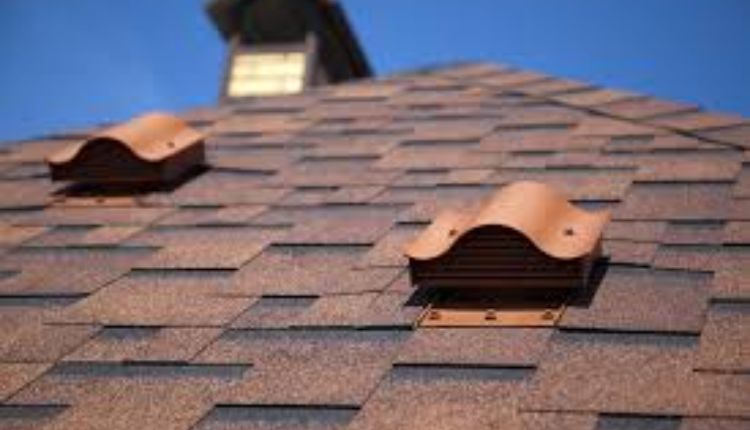
Heat trapped inside an attic creates stress on roofing materials and shortens their durability. Moisture accumulation leads to damage that spreads across the structure. Air circulation prevents these issues and supports the roof system. Proper ventilation ensures energy efficiency and extends the lifespan of the roof. This article explains why ventilation is vital for protecting a roof investment.
Air Flow Supports Roof Health
Air flow across the attic maintains a balance between indoor and outdoor temperatures. Commercial roofing services emphasize this factor because it directly impacts roof performance. Ventilation prevents excess heat from weakening shingles and other materials. Balanced air movement reduces strain on insulation and structural components. A roof with proper ventilation remains strong and durable for years.
Impact on Energy Efficiency
Ventilation directly influences energy efficiency inside the property. Air circulation reduces the load on cooling systems during warm months. Balanced airflow prevents heat buildup that raises indoor temperatures. Proper ventilation lowers utility bills by maintaining consistent indoor comfort. A roof with efficient ventilation contributes to sustainable energy use. Two key benefits include reduced energy waste and improved indoor comfort.
Effective Ventilation Controls Moisture Levels
Internal activities like showers or laundry release significant amounts of water vapor into the air. This steam rises into the attic and settles on the cold wood surfaces. Proper vents remove this humid air before it turns into liquid droplets on the rafters. Dry wood remains strong and supports the weight of the heavy exterior materials. The list below describes several common types of vent hardware used for this purpose:
- Ridge vents are located at the peak.
- Soffit vents under the eaves.
- Gable vents on the side walls.
- Turbine vents on the slope.
Temperature Balance Reduces Energy Waste
A hot attic forces the air conditioner to work much harder to keep the rooms cool. Balanced ventilation keeps the attic temperature close to the outdoor air levels. This reduction in heat soak lowers the monthly utility bills for the property owner. Insulation works most effectively when the air space above it stays clear of trapped heat. The following points explain how air flow supports a cool home environment:
- Cold air enters through the lower eaves.
- Hot air exits through the top ridges.
- Passive flow requires no electrical power.
- Thermal barriers remain dry and fluffy.
Seasonal Protection for the Wood Deck
Winter weather creates temperature imbalances that cause ice dams at the roof edge. Solid air circulation keeps the entire surface at a uniform temperature to prevent uneven melts. This method protects the gutters and the wood fascia from water saturation. Heavy snow loads sit safely on a cold roof without the threat of a melt-refreeze cycle. Consistent air movement serves as the best defense against winter climate stress.
Long-Term Value of Ventilation
Ventilation adds long-term value by extending roof lifespan and reducing maintenance needs. Air circulation prevents deterioration that weakens structural integrity. Balanced airflow supports insulation and keeps indoor conditions stable. Proper ventilation reduces expenses by avoiding frequent repairs. A roof investment gains durability and efficiency through consistent ventilation.
Proper ventilation protects roof investments by controlling heat, reducing moisture, and supporting energy efficiency. Commercial roofing services emphasize this factor because it strengthens roof performance and lowers maintenance costs. A strong ventilation system ensures durability, comfort, and savings. Property owners should prioritize ventilation as a key element of roof care. Investing in airflow solutions rewards with extended roof life and improved efficiency.