






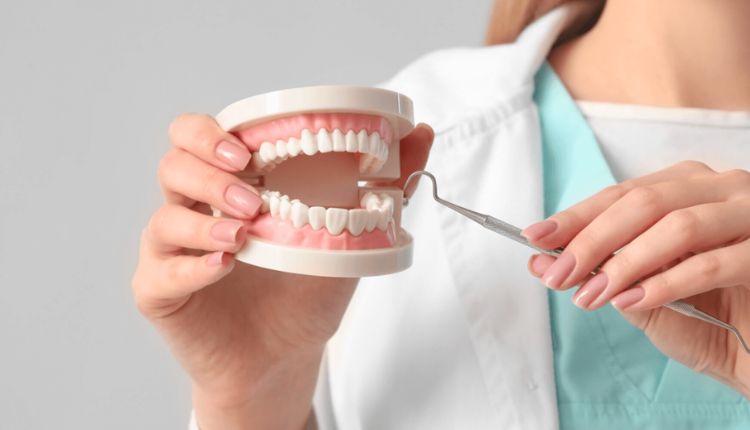
Cosmetic dental work costs time, money, and courage. You want it to last. Strong habits protect your smile far more than any quick fix. This blog walks you through three simple preventive steps that keep veneers, crowns, and whitening results in good shape. You learn what to do each day, what to avoid, and when to see your dentist. You also see how small choices with food, drinks, and stress can harm or guard your teeth. Many people think cosmetic work is permanent. It is not. It needs steady care. One crack, stain, or cavity can undo years of effort. That pain is avoidable. With the right habits, you keep your teeth strong and your smile steady. If you already see a dentist in Metropolis, IL, these habits will support the care you receive and help your results last.
Habit 1: Clean Your Teeth the Right Way Every Day
You brush and floss. That is good. You now need a method that protects cosmetic work without scratching or loosening it.
Use this daily plan.
- Brush twice a day with a soft brush.
- Use fluoride toothpaste.
- Floss once a day.
- Rinse with water after meals if you cannot brush.
A soft brush protects veneers and crowns from wear. Hard bristles grind the edges and roughen the surface. That rough surface holds stains faster.
Fluoride helps the tooth under the cosmetic work. Veneers and crowns cover teeth. They do not stop the decay at the margins. Fluoride lowers the risk that cavities start where the tooth and material meet.
Flossing matters for cosmetic work. Plaque at the gumline leads to swelling and bleeding. Swollen gums pull away from crowns and veneers. That gap traps food. Infection then grows. A few minutes with floss prevents that chain of damage.
Use this simple pattern.
- Brush for two minutes.
- Floss between every tooth.
- Clean at the same time each day.
Consistent timing trains your mind. You stop skipping when you feel tired or rushed.
Habit 2: Protect Your Teeth From Food, Drinks, and Grinding
Your choices during meals and snacks can stain or weaken cosmetic work. You do not need a strict diet. You do need clear limits.
First, watch drinks that stain.
- Coffee
- Tea
- Red wine
- Dark sodas
These drinks leave color on natural teeth and on some bonding material. Crowns and veneers stain less, yet the edges and nearby enamel still darken. Over time, your smile looks uneven. You can reduce that risk.
- Drink through a straw when you can.
- Rinse with water right after.
- Limit sipping over many hours.
Next, guard against sugar and acid. Acid softens enamel. Sugar feeds bacteria that cause decay at the margins of cosmetic work. Together, they speed up failure.
Use this simple rule of three.
- Limit sugary snacks between meals.
- Choose water instead of soda or sports drinks.
- Finish sweet treats in one sitting instead of all day.
Now look at grinding and clenching. Many people grind teeth during sleep or stress. That pressure cracks veneers and chips bonding. You might wake with jaw pain or headaches. You might see small flat spots on teeth.
Take these steps.
- Ask your dentist about a night guard.
- Notice daytime clenching and relax your jaw.
- Keep your lips closed and teeth slightly apart when at rest.
A custom night guard spreads pressure across teeth. It acts as a shield for crowns, veneers, and natural enamel. The National Institute of Dental and Craniofacial Research explains more about tooth wear and clenching.
Comparison: Everyday Choices That Help or Harm Cosmetic Dental Work
| Daily Choice | Helps Cosmetic Work | Harms Cosmetic Work
|
|---|---|---|
| Brushing | Soft brush with fluoride twice a day | Hard brush or aggressive scrubbing |
| Flossing | Gentle flossing around each tooth | Skipping floss or snapping floss into gums |
| Drinks | Water and limited staining drinks | Frequent coffee, tea, or soda all day |
| Snacks | Set meal times with fewer sweets | Constant sugary snacks and candies |
| Grinding | Night guard and relaxed jaw | Uncontrolled clenching during sleep |
| Habits | No nail biting or ice chewing | Biting nails, pens, or hard ice |
Habit 3: Keep Regular Dental Visits and Act Early
Cosmetic work fails slowly at first. Small chips, loose edges, and early decay often cause no pain. Regular checkups let your dentist find problems early. That early care protects your investment and your comfort.
Use a simple schedule.
- Visit every six months for cleaning and exam.
- Schedule sooner if you feel sharp edges or see changes.
- Share any pain, sensitivity, or jaw tightness.
During visits your dentist can.
- Check margins around veneers and crowns.
- Look for stain lines and tiny fractures.
- Adjust your bite so pressure spreads evenly.
Early repair often means a small polish, a bit of bonding, or a bite adjustment. Waiting often means a full remake of the veneer or crown. Acting early saves teeth and money.
For children and teens with cosmetic work, regular visits matter even more. Teeth and jaws grow. That growth can change how crowns, fillings, and bonding fit together. Routine care keeps changes safe and steady.
Putting the Three Habits Together
You protect cosmetic dental work with three habits.
- Clean teeth the right way every day.
- Guard against stains, sugar, acid, and grinding.
- Keep regular visits and fix small issues early.
These steps ask for time and attention. They also give you control. You do not have to wait for damage or surprise bills. You can act now. You can keep your veneers, crowns, and whitening results in strong shape for many years.