






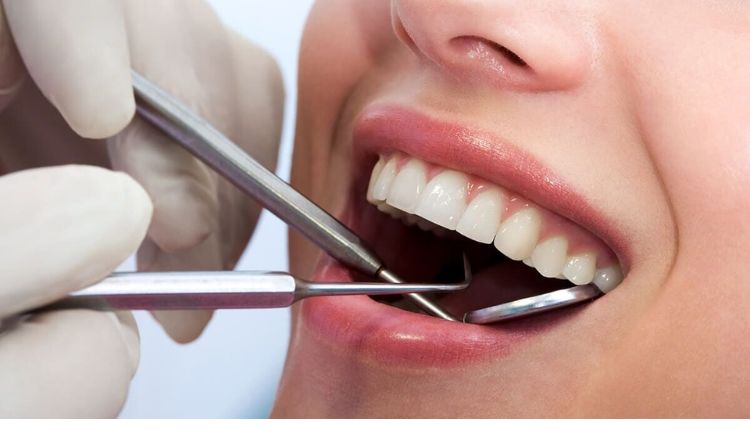
Your smile affects how you feel in every room. When you hide your teeth, you may avoid photos, hold back laughter, or stay quiet in conversations. Many people think only specialists can change that. In truth, your general dentist often provides the same cosmetic care you see in ads. A trusted Southwest Charlotte dentist can repair chips, close gaps, brighten dark teeth, and reshape your smile during routine visits. These treatments are safe, common, and more simple than you might expect. This blog explains four cosmetic procedures your general dentist performs on a regular schedule. You will see what each one does, how it works, and what to expect during and after treatment. You can use this guide to ask clear questions and decide what fits your needs. Your smile should match your effort, your age, and your story.
1. Teeth Whitening
Stains build up from coffee, tea, soda, tobacco, and some medicines. Age also darkens teeth. You may brush and floss every day and still see yellow or brown spots. That can feel unfair.
In-office whitening uses a strong but safe gel on your teeth. Your dentist protects your gums. Then the gel stays on your teeth for short periods. You may also sit under a special light. Many people see lighter teeth in one visit. At-home whitening uses custom trays and a weaker gel that you place yourself.
According to the National Institute of Dental and Craniofacial Research, whitening works best on natural teeth that have surface stains. It does not change the color of fillings or crowns. It also does not treat decay or infection.
Whitening may suit you if you want to
- Lighten stains from food or drinks
- Even out color before other work
- Refresh your smile for a life event
You may feel brief tooth sensitivity after treatment. That usually settles within a day or two. Your dentist can adjust the strength of the gel or suggest a special toothpaste.
2. Tooth Bonding
Tooth bonding repairs small flaws. Your dentist shapes a tooth colored material on your tooth. Then a bright light hardens it. Finally, the dentist trims and polishes the surface.
Bonding can help if you have
- Small chips or worn edges
- Minor gaps between teeth
- White or brown spots on tooth surfaces
- Teeth that look too short
The material sticks to your tooth. The dentist often does not need to remove much enamel. Many people finish in one visit. There is little to no numbing for simple bonding.
Bonding stains faster than porcelain. It may chip if you bite hard items such as ice or pens. Yet it costs less than veneers or crowns, and your dentist can repair it if needed.
3. Porcelain Veneers
Porcelain veneers are thin covers placed on the front of teeth. They can change color, shape, and length at the same time. Veneers treat more than one concern in one plan.
Veneers may work best when you have
- Deep stains that whitening does not change
- Worn, uneven, or crooked front teeth
- Gaps that look wide
- Many chips or rough edges
Your dentist first removes a small layer of enamel from the front of each tooth. That makes room for the veneer. Then the dentist takes a mold or scan. A lab creates custom veneers. You may wear temporary covers while you wait. At the next visit, your dentist bonds the veneers to your teeth.
Veneers do not stain as fast as bonding. They can last many years with good care. You still need to brush, floss, and see your dentist for cleanings. You also need to avoid using your teeth as tools. Do not open packages with your teeth. Use scissors instead.
4. Tooth Colored Fillings and Crowns
Sometimes a tooth needs repair for health reasons. A cavity, crack, or old metal filling may weaken the tooth. Your dentist can restore strength and also improve the look.
Tooth colored fillings use a resin that matches your tooth. The dentist removes decay, shapes the space, places the material, and hardens it with a light. This works well for small and medium cavities in front or back teeth.
Crowns cover the entire tooth. Your dentist may suggest a crown if you have
- A large cavity
- A cracked tooth
- A root canal treated tooth
- A tooth that has broken pieces
Modern crowns often use porcelain or ceramic. These materials can match nearby teeth. They protect the tooth while also improving shape and color.
Comparison of Common Cosmetic Treatments
| Treatment | Main Purpose | Typical Visits | Changes Tooth Structure | Average Longevity Range
|
|---|---|---|---|---|
| Teeth whitening | Lighten stains | 1 to 3 | No | Months to a few years |
| Tooth bonding | Fix chips and small gaps | 1 | Minimal | 3 to 7 years |
| Porcelain veneers | Change color and shape | 2 to 3 | Yes | 10 to 15 years |
| Tooth colored fillings | Repair small to medium decay | 1 | Yes | 5 to 10 years |
| Crowns | Strengthen weak teeth | 2 | Yes | 10 or more years |
These time frames depend on your brushing, flossing, diet, and regular visits. The Centers for Disease Control and Prevention explains that routine dental care lowers the risk of decay and tooth loss. Cosmetic work lasts longer when your mouth stays healthy.
Choosing The Right Procedure For You
Start with a simple talk. Tell your dentist what you dislike when you look in a mirror or see photos. Point to one or two teeth. Clear goals guide smart plans.
Then ask three questions.
- What is the safest option for my teeth and gums
- How long will the results likely last
- What care will I need at home
Whitening may be enough if you like the shape of your teeth. Bonding may help if a single chip bothers you. Veneers or crowns may fit if you want a larger change. You do not need to fix everything at once. You and your dentist can move step by step.
Your smile should not cause shame. With steady care and the right procedure, your general dentist can help you feel calm when you speak, eat, and laugh. That confidence can carry into your work, your home, and your daily life.