






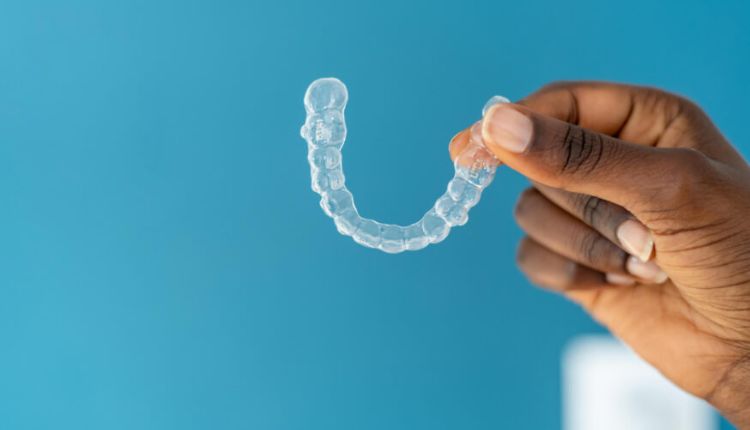
You might feel unsure when you first hear about clear aligners. You want straight teeth. You also want comfort, privacy, and clear answers. This blog walks through 5 common questions patients ask about clear aligners in Buckhead, Atlanta.
You may wonder how well they work, how long treatment takes, and what daily life feels like with trays in your mouth. You may worry about pain, cost, or what happens if you lose an aligner. These are honest fears. They deserve direct answers. Here you will see what you can expect before, during, and after treatment. You will learn what you must do each day to keep your teeth moving on track. You will see where clear aligners help and where they do not. You deserve a straight answer before you choose a path for your smile.
1. Do clear aligners really work as well as braces?
Clear aligners can move teeth in many of the same ways as braces. They use gentle pressure to shift teeth into better positions over time. You wear a series of trays. Each tray makes a small change.
Aligners can work well for:
- Crowded teeth
- Gaps between teeth
- Mild to moderate overbite or underbite
- Teeth that tilted or rotated
However some tough cases still need braces. Very complex bite problems or large jaw corrections might not respond well to aligners alone. An orthodontist decides this after a full exam and X rays. The National Institute of Dental and Craniofacial Research explains that orthodontic tools work best when treatment is planned and watched by trained dental staff.
The key truth is this. Clear aligners work well only when you wear them as directed. If you leave them out often you will not see the results you want.
2. How long does treatment take?
Your treatment time depends on how much your teeth must move. It also depends on how closely you follow the plan. Every mouth is different. Still it helps to see a simple comparison.
| Treatment type | Typical wear time per day | Common treatment length | Office visits
|
|---|---|---|---|
| Clear aligners | 20 to 22 hours | 6 to 18 months | Every 6 to 10 weeks |
| Traditional metal braces | 24 hours | 18 to 24 months | Every 4 to 8 weeks |
Shorter cases fix small crowding or spacing. Longer cases fix complex bites. You may need extra time if you forget trays or skip visits.
You do not need to guess. During your first visit the orthodontist uses scans and digital models to show a rough timeline. You can ask to see early, middle, and final stages. This gives you a clear picture of how long the change will take.
3. What does daily life with clear aligners feel like?
The first days feel strange. The trays hug your teeth. Your tongue feels the edges. You may notice a slight lisp when you speak. Your mouth adjusts fast.
Here is what daily life often looks like:
- You wear trays almost all day and night.
- You take them out to eat and drink anything except water.
- You brush your teeth before putting trays back in.
- You clean trays with a soft brush and cool water.
During the first few days of a new tray you may feel pressure. This is a sign that teeth are moving. Over the counter pain relief and cool water can help. Most people say clear aligners feel easier than braces because you avoid sharp wires.
One strong benefit is food freedom. You can still eat popcorn, nuts, and sticky candy if you remove trays first and then clean your teeth. Braces often limit these foods because wires can bend or break.
4. How much do clear aligners cost and are they safe?
Cost depends on how long you need treatment and how complex your case is. It also depends on your location and the training of the provider. Aligners can cost about the same as braces in many cities. Shorter cases cost less because they use fewer trays and visits.
Many dental insurance plans cover part of orthodontic care for children and sometimes adults. You can call your plan or check your benefits page. The American Dental Association MouthHealthy resource explains common coverage rules and why early checks help lower long term costs.
Clear aligners are safe when planned and watched by a dentist or orthodontist. Problems can happen when people order trays online with no exam or X rays. Hidden gum disease, tooth decay, or bone loss can get worse if teeth move without care. A full in person exam protects you from these risks.
Before you start you should ask:
- Will you take X rays and photos
- Who designs my plan and checks my progress
- What happens if my teeth do not move as planned
Clear answers to these questions show respect for your health.
5. What if I lose a tray or do not wear it enough?
Life happens. Trays get tossed in napkins. Dogs chew them. Trips and school can disrupt your routine. Acting fast matters when this happens.
If you lose a tray you should call the office right away. The team may tell you to:
- Switch to the next tray if it fits well
- Go back to the last tray to hold progress
- Order a replacement tray if needed
If you stop wearing trays for long stretches your teeth can shift back. This can cause pain when you try to use the next tray. It can also stretch out your total treatment time.
After you finish treatment you must wear retainers. These look like aligners but they hold teeth in place. If you skip retainers your teeth can slowly drift back toward the old position. This can feel crushing after all your work.
How to decide if clear aligners fit you
- You want straighter teeth but dislike metal braces.
- You can wear trays 20 to 22 hours a day.
- You can brush and clean trays after every meal.
If you feel unsure you can schedule a consult with a licensed orthodontist. You can bring a written list of questions and past dental records. You deserve clear facts, honest risks, and a plan that respects your daily life and your budget. With the right support you can move toward a healthier and more confident smile with steady steps, not guesswork.